seed-starting
-
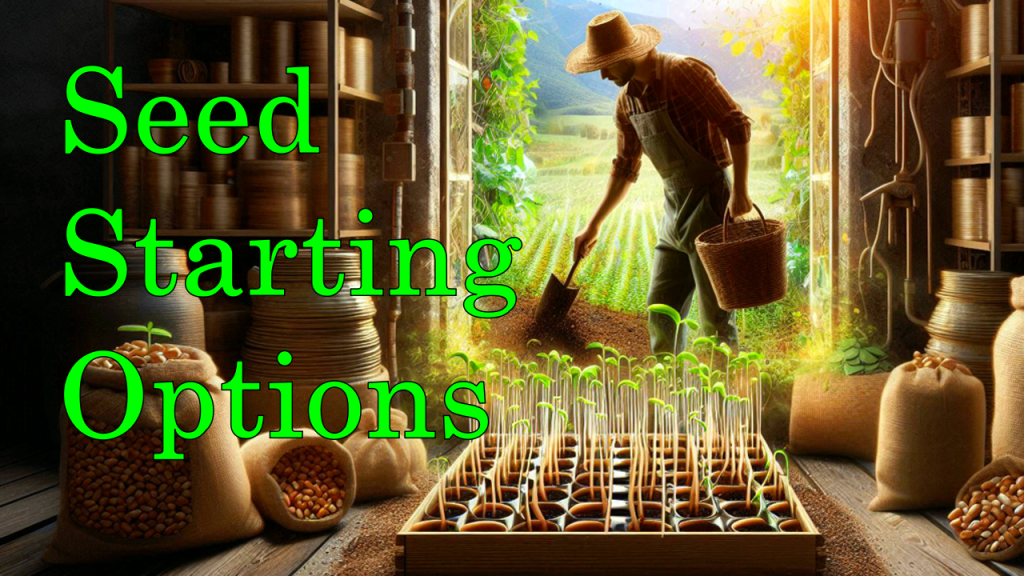
Starting Seeds Indoors vs. Direct Sowing: Pros and Cons
The content discusses the pros and cons of starting seeds indoors versus direct sowing in gardening. Indoor seeds benefit from controlled conditions and protection but may face transplant shock and require significant care. Direct sowing is simpler and reduces shock but is vulnerable to weather and pests. The best method depends on gardening goals and…
-
Understanding Seed Germination: Key Stages and Factors
Understanding seed germination is essential for enhancing agricultural practices and conserving plant species. The process involves key stages: imbibition, metabolism activation, radicle emergence, shoot growth, and true leaf development. Knowledge of germination factors, such as water and temperature, can improve crop yields and promote sustainable gardening practices. Eco Tom’s Sanctuary emphasizes this educational journey.

-
The Benefits of Growing Red Russian Kale
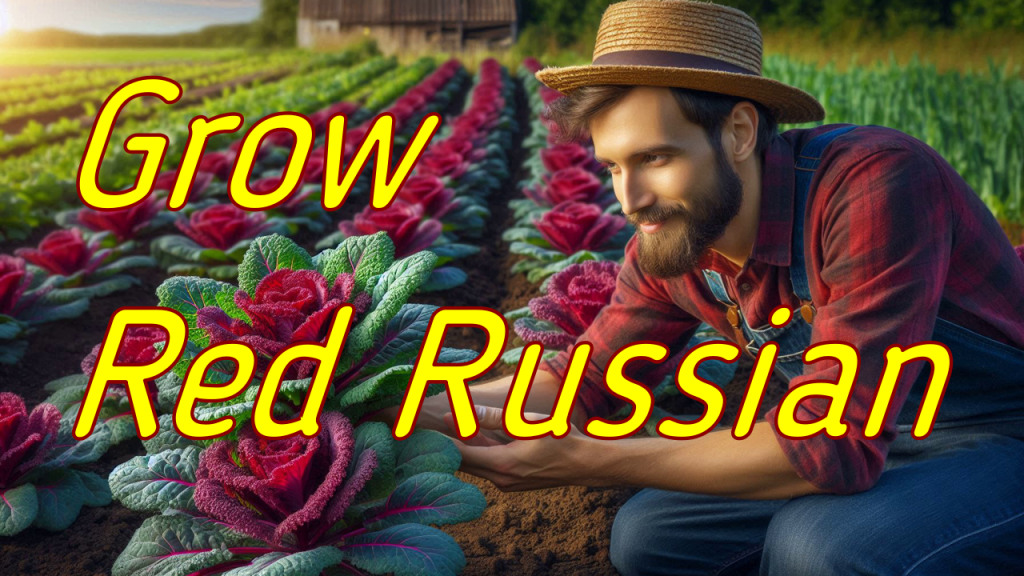
Red Russian kale is a cold-hardy variety known for its tender, sweet leaves and attractive purple-red stems. Originating from Siberia, it has gained popularity due to its nutritional value, ease of growth, and culinary versatility. Proper seed starting and transplanting techniques ensure a successful harvest, enhancing both meals and gardens.
-
Essential Factors for Successful Seed Germination
Successful seed germination relies on essential factors including water, temperature, light, oxygen, soil pH, seed quality, and pre-treatments. Proper moisture, temperature control, and understanding specific seed needs enhance growth. Additionally, high-quality seeds and proper pre-treatments like scarification and stratification improve germination rates, culminating in a thriving garden.

-
The Intriguing World of Non-Photoblastic Seeds
Image: AI-Generated; Prompt/edited: Tom Myrick -Unlocking Dormancy – Non-photoblastic seeds, unlike light-dependent photoblastic seeds, rely on factors like temperature, moisture, scarification, stratification, and chemical cues to break dormancy. They exhibit diverse germination behaviors, challenging our understanding of seed biology. Understanding these mechanisms can help optimize conditions for successful seed germination in gardening.
-
Undertones of the Earth: The Tomato Sprouts’ Trek
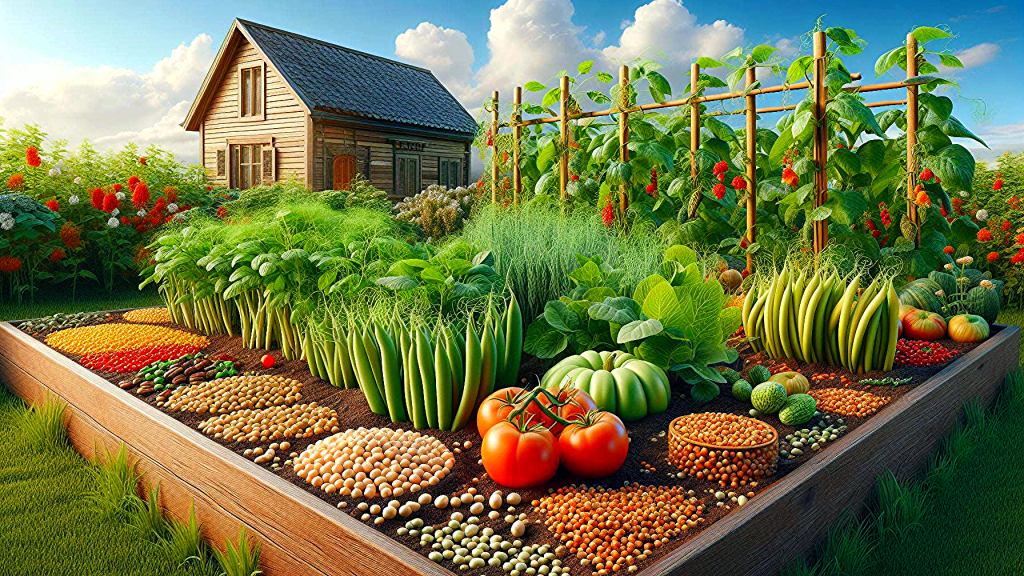
Image: AI-Generated; Prompt/edited: Tom Myrick -Tomato Sprouts’ Trek- Tomato sprouts transitioned from a grow tent to an outdoor garden due to stabilized temperatures. Essential steps for successful outdoor tomato plant growth include choosing a sunny spot, starting seeds indoors, staking plants, regular watering and feeding, pest control, and harvesting ripe tomatoes. Writer/Digital creator: Tom Myrick.

-
Understanding Diurnal Variation in Your Garden
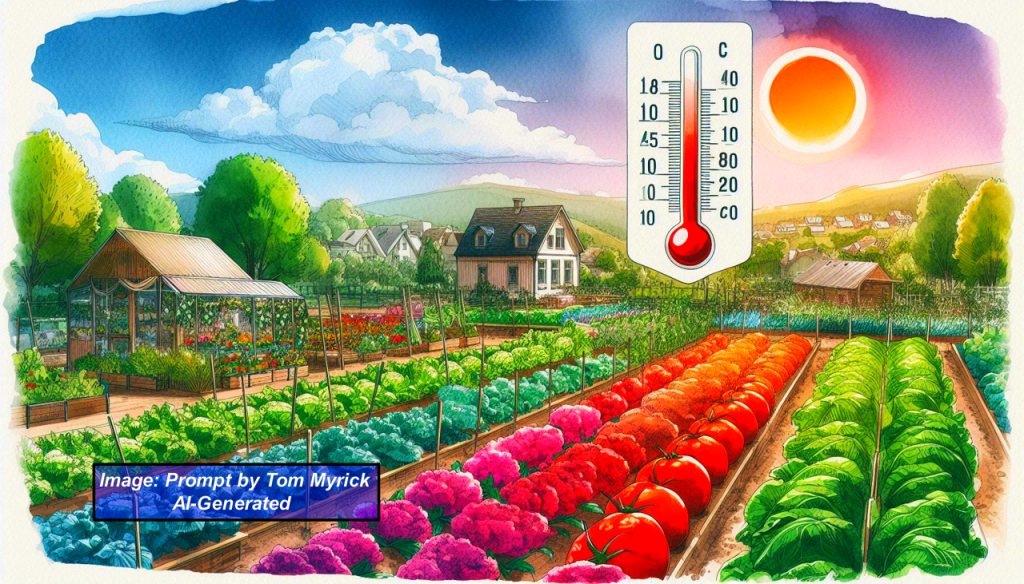
Image: AI-Generated; Prompt/edited: Tom Myrick -Diurnal Variation- The diurnal temperature range can greatly impact your garden, affecting plants at every stage of growth. Extreme temperature fluctuations can lead to stress, water loss, slowed growth, and disrupted photosynthesis. Mitigate this by germinating and growing young plants indoors until temperatures stabilize. Each plant has unique requirements, so…