vegetables
-
The Science Behind Growing Healthy Kale: Tips for Success
The content explores the process of growing kale, emphasizing its resilience, optimal growing conditions, and importance of sunlight for photosynthesis. It details how kale absorbs nutrients and water via roots while highlighting the significance of patience during harvesting. Eco Tom combines gardening with scientific insights to enhance cultivation practices.

-
The Hidden Benefits of Snow for Garden Health
Snow plays a crucial role in garden health by insulating soil, providing moisture through gradual melting, enriching soil with nitrogen, and reducing pest populations. It also prevents soil erosion and compaction, ensuring a stable environment for plant growth. Embracing these benefits reinforces snow’s significance at Eco Tom’s Sanctuary.

-
Benefits of Teaching Kids Vegetable Gardening
Educating children about vegetable gardening at Eco Tom’s Sanctuary emphasizes sustainable food practices and instills a love for gardening. Through hands-on experiences, kids learn essential skills, foster healthy habits, and enhance emotional well-being. The initiative also promotes environmental stewardship and economic awareness, equipping them for healthier futures.

-
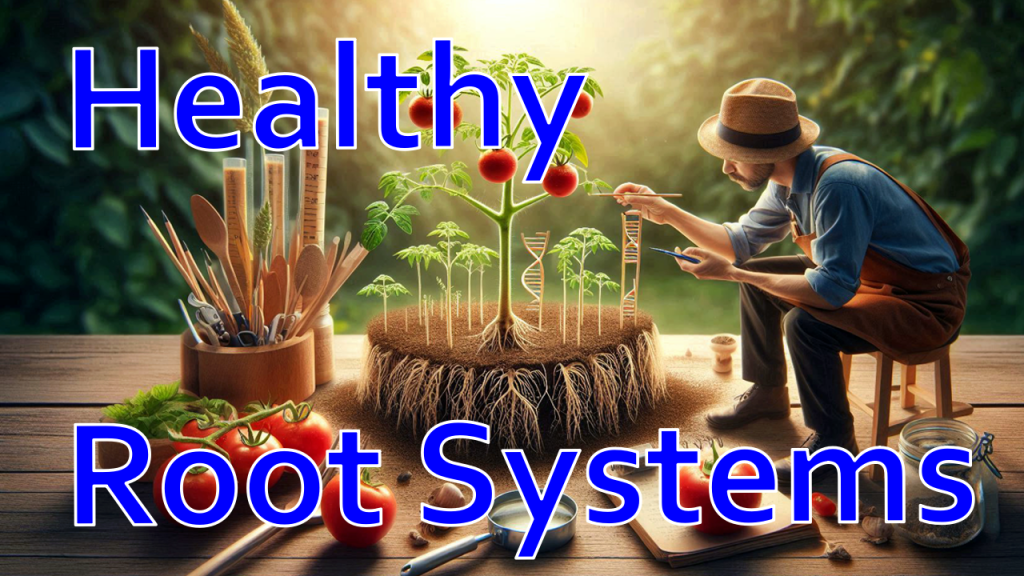
Maximize Tomato Yield with Root Development Knowledge
Understanding tomato root development is crucial for enhancing plant health and maximizing yields. Each stage, from germination to fruiting, has unique needs that impact growth. Proactive monitoring and tailored care can prevent issues, ensuring robust root systems, efficient nutrient uptake, and ultimately, fruitful harvests in sustainable gardening practices at Eco Tom’s Sanctuary.
-
Join the Green Journey at Eco Tom’s Certified Wildlife Habitat
Eco Tom’s Sanctuary, located in Chesapeake, VA, is a certified wildlife habitat that integrates innovative gardening practices with sustainable methods. The centerpiece is a no-till organic vegetable garden promoting fresh produce and education. Through UrbanGardening4u2Day.com, Eco Tom shares gardening knowledge, merging scientific insight with personal passion to inspire sustainable practices.

-
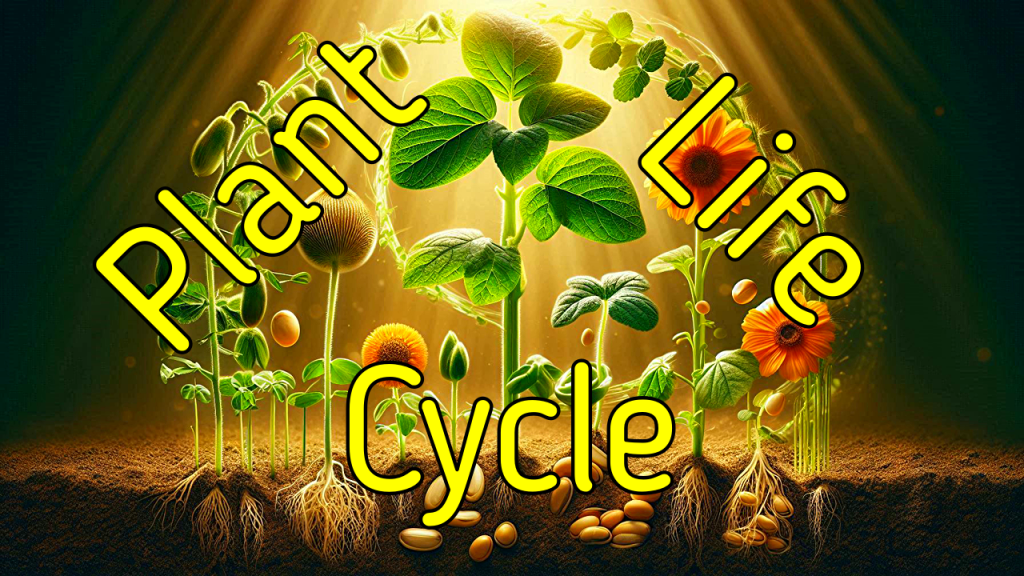
Understanding the Plant Life Cycle: From Seed to Senescence
The plant life cycle, from seed to senescence, illustrates critical growth and reproductive processes. It begins with germination, followed by seedling and vegetative stages, culminating in flowering and fruit production for seed dispersal. Finally, senescence recycles nutrients back into the soil, promoting ecological sustainability and continuity of plant species.
-
Understanding Seed Germination: Key Stages and Factors
Understanding seed germination is essential for enhancing agricultural practices and conserving plant species. The process involves key stages: imbibition, metabolism activation, radicle emergence, shoot growth, and true leaf development. Knowledge of germination factors, such as water and temperature, can improve crop yields and promote sustainable gardening practices. Eco Tom’s Sanctuary emphasizes this educational journey.

