sustainable-living
-
The Future of Vegetable Gardening in America
Vegetable gardening in the United States is experiencing a resurgence. The COVID-19 pandemic played a significant role in this revival, with 18.3 million new gardeners emerging during that time. This trend has continued, with many people, especially younger generations like millennials and Generation Z, taking up gardening. 55% of American households now engage in some…

-
Reduce Your Garden’s Energy Footprint
Here at the Veggie-Bed, we take small yet significant steps towards more sustainable and eco-friendly gardening by reducing our vegetable garden’s energy footprint. You ask, “Energy footprint?” An energy footprint refers to the total amount of energy consumed by an activity, process, or system. It encompasses all the energy used, from production to end-use. This…

-
The Importance of Plant Pathology in Vegetable Gardening
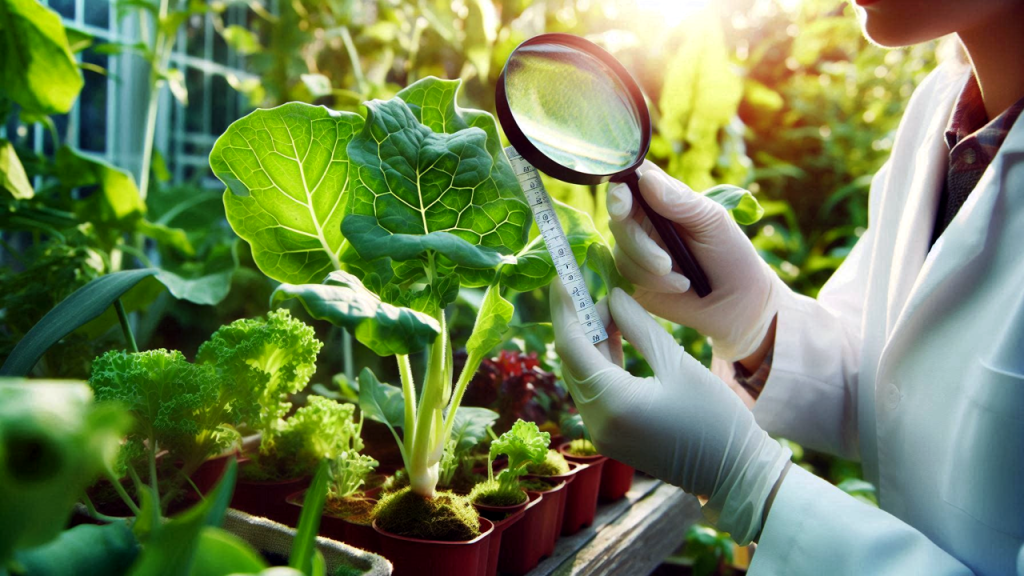
Understanding plant pathology is essential for us at the Veggie-Bed because it helps us protect our vegetables, produce healthier plants, and save money. By knowing how to manage plant diseases, we can enjoy better-quality and more nutritious vegetables while being eco-friendly. So, what is plant pathology, and how does it apply to vegetable gardening? Plant…
-
Gaia Hypothesis and Human Impact: Understanding Earth’s Interconnectedness
Sometimes, while gardening here at the Veggie-Bed, I am overwhelmed by the realization of how small my existence is compared to the cosmos. I think of Earth as a living organism often associated with the Gaia hypothesis, and we humans are parasites hosting on the Earth, which is a metaphorical comparison. The Gaia hypothesis suggests…

-
Greening Backyard Vegetable Gardens
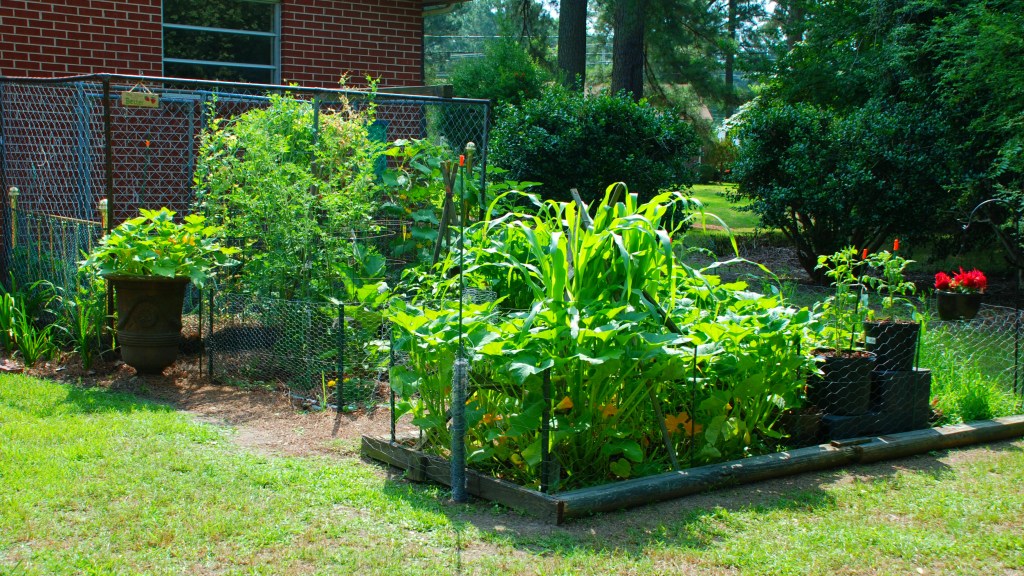
Photo by: Tom Myrick -Sustainable Practices Unveiled- Tom Myrick’s article emphasizes the importance of sustainable farming practices, even in small backyard gardens. He advises against excessive tilling, promotes composting, cultivating various plants, using organic mulch, saving seeds, attracting beneficial insects, incorporating native plants, and avoiding chemical herbicides. These small-scale practices can positively impact the environment.

You must be logged in to post a comment.