seeds
-
How Seeds Grow: A Fun Guide for Kids
Eco Tom explains germination, the critical process where seeds awaken and grow into plants. The journey begins when seeds absorb water, swell, and break their outer coats. Enzymes activate, fueling growth. Roots emerge first, followed by shoots reaching for sunlight, eventually developing leaves for photosynthesis, essential for food production and environmental health.

-
Starting Seeds Indoors vs. Direct Sowing: Pros and Cons
The content discusses the pros and cons of starting seeds indoors versus direct sowing in gardening. Indoor seeds benefit from controlled conditions and protection but may face transplant shock and require significant care. Direct sowing is simpler and reduces shock but is vulnerable to weather and pests. The best method depends on gardening goals and…
-
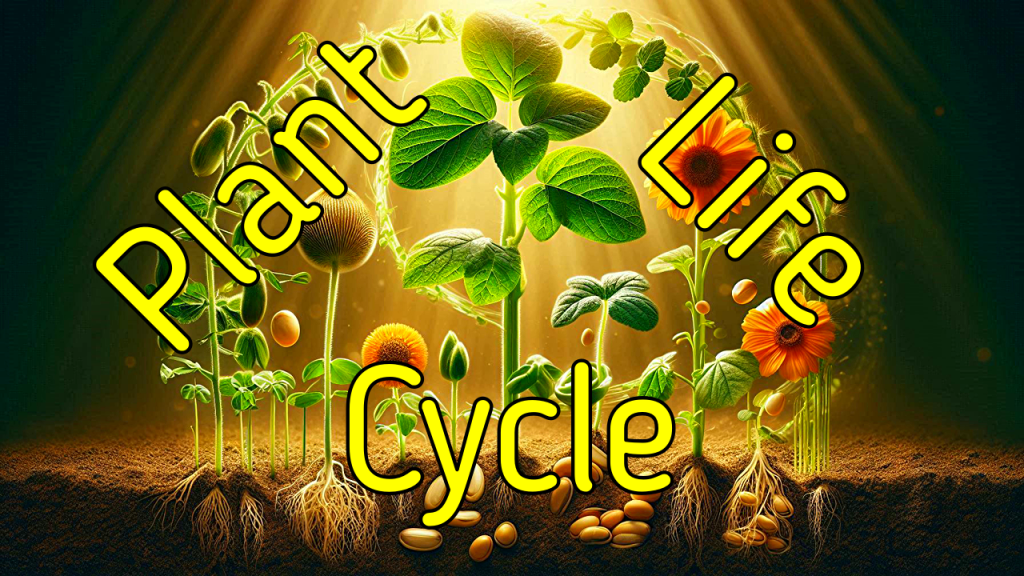
Understanding the Plant Life Cycle: From Seed to Senescence
The plant life cycle, from seed to senescence, illustrates critical growth and reproductive processes. It begins with germination, followed by seedling and vegetative stages, culminating in flowering and fruit production for seed dispersal. Finally, senescence recycles nutrients back into the soil, promoting ecological sustainability and continuity of plant species.
-
Understanding Seed Germination: Key Stages and Factors
Understanding seed germination is essential for enhancing agricultural practices and conserving plant species. The process involves key stages: imbibition, metabolism activation, radicle emergence, shoot growth, and true leaf development. Knowledge of germination factors, such as water and temperature, can improve crop yields and promote sustainable gardening practices. Eco Tom’s Sanctuary emphasizes this educational journey.

-
The Benefits of Growing Red Russian Kale
Red Russian kale is a cold-hardy variety known for its tender, sweet leaves and attractive purple-red stems. Originating from Siberia, it has gained popularity due to its nutritional value, ease of growth, and culinary versatility. Proper seed starting and transplanting techniques ensure a successful harvest, enhancing both meals and gardens.
-
Essential Factors for Successful Seed Germination
Successful seed germination relies on essential factors including water, temperature, light, oxygen, soil pH, seed quality, and pre-treatments. Proper moisture, temperature control, and understanding specific seed needs enhance growth. Additionally, high-quality seeds and proper pre-treatments like scarification and stratification improve germination rates, culminating in a thriving garden.

-
The Fascinating World of Seeds: Classification Explained
The post explores the classification of seeds based on various criteria such as origin, seed coat, storage, dispersal methods, and dormancy. It highlights different types, including monocots and dicots, orthodox and recalcitrant seeds, and their dispersal strategies like wind and animal transport. Understanding these classifications enhances appreciation for seeds’ roles in ecosystems and agriculture.