plants
-
Fungi – Friends or Foes in Your Vegetable Garden?
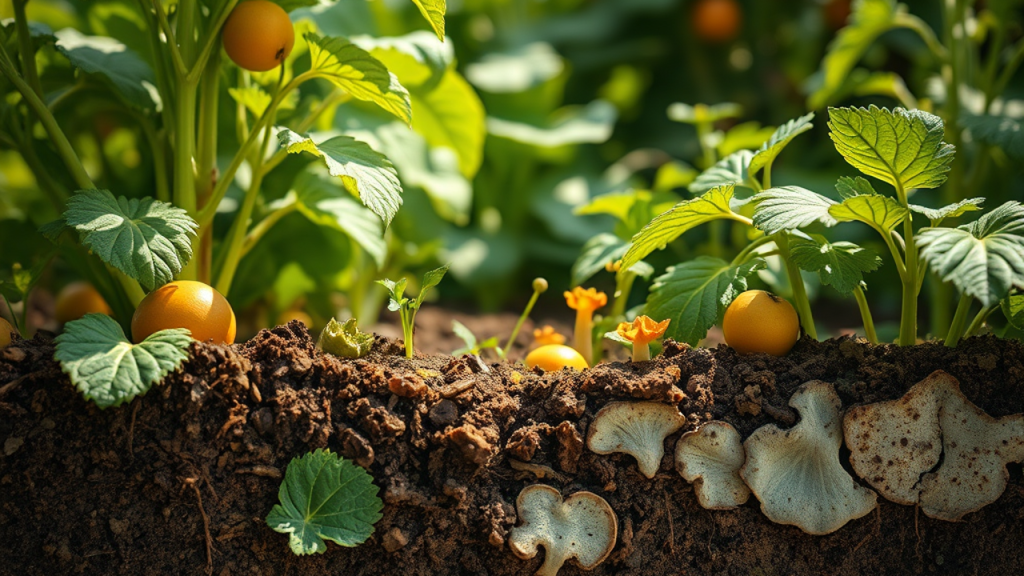
Fungi are a kingdom of organisms distinct from plants, animals, and bacteria, including various species such as mushrooms, molds, and yeasts. In vegetable gardens, fungi play multiple roles—both beneficial and detrimental. Certain fungi form symbiotic relationships with plants, like mycorrhizal fungi, which enhance nutrient absorption and boost plant growth. On the other hand, other fungi…
-
How Nematodes Impact Your Vegetable Garden
Nematodes, also known as roundworms or eelworms, are a diverse group belonging to the phylum Nematoda. They can be found in a wide range of environments, from soil and freshwater to marine habitats. This diversity is reflected in their feeding habits, with most nematodes being free-living and feeding on microorganisms, while many species are parasitic,…

-
Loblolly Pine: A Fast-Growing, Eco-Friendly Tree
Pine trees, with their distinctive needle-like leaves and seed-bearing cones, are a unique and integral part of our community. These evergreen, coniferous trees belong to the genus Pinus in the family Pinaceae and are native to the Northern Hemisphere. They are found in various habitats, from cold regions in North America to hot, sandy deserts.…

-
Too Much of a Good Thing
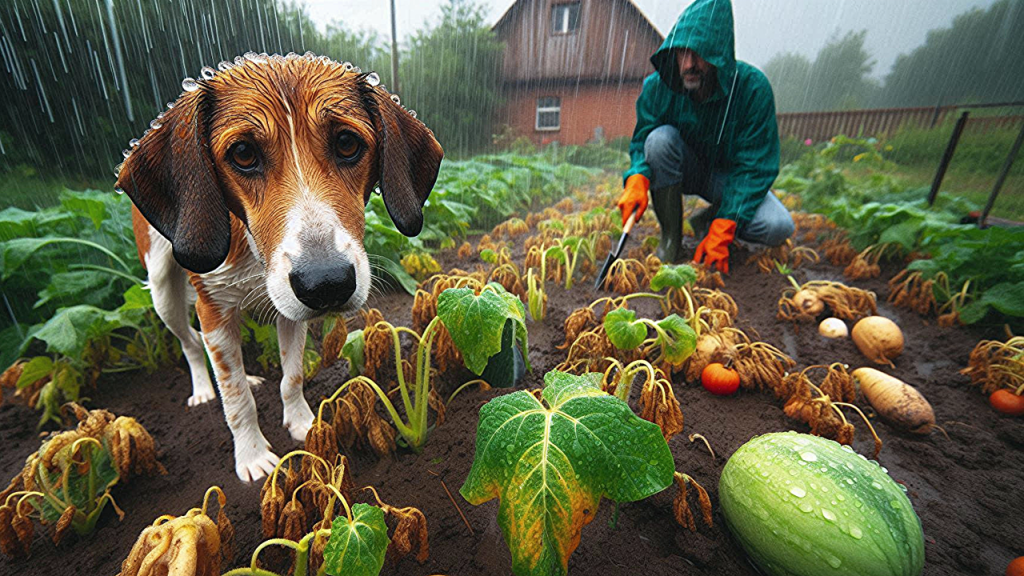
Excessive rain can affect a vegetable garden in several ways. While it’s important to remember that plants are resilient, prolonged wet conditions can infect plants and result in stunted growth, spots on foliage, and decay on leaves, stems, or fruit. Gardens can become muddy, causing plants to droop and potentially rot. Standing water and waterlogged…
-
Can Plants Talk?
Image: AI-Generated; Prompt/edited: Tom Myrick -Plant Talk- Plants communicate using chemicals, sound, and even electrical signals. They release chemicals to warn each other of danger and can exchange nutrients through interconnected root systems. Recent studies suggest they may also produce ultrasonic sounds when stressed. Understanding plant communication has implications for agriculture and environmental management. This…

-
Mastering Growing-Degree Days for Your Vegetable Garden
Image: AI-Generated; Prompt/edited: Tom Myrick; -Growing-Degree Days- Growing-degree days (GDD) measure daily temperature accumulation, aiding in predicting plant growth, maturation, and pest activity. Understanding GDD helps in making informed planting decisions based on specific temperature preferences, impacting successful germination and growth. Armed with this knowledge, one can cultivate a thriving vegetable garden. Join the Urban…


You must be logged in to post a comment.