plants
-
How Seeds Grow: A Fun Guide for Kids
Eco Tom explains germination, the critical process where seeds awaken and grow into plants. The journey begins when seeds absorb water, swell, and break their outer coats. Enzymes activate, fueling growth. Roots emerge first, followed by shoots reaching for sunlight, eventually developing leaves for photosynthesis, essential for food production and environmental health.

-
Discover Plant Science: Fun Facts for Kids
Plant science offers kids an exciting exploration of how plants grow and thrive. It explains processes like photosynthesis where plants “eat” sun and “drink” water, why flowers bloom in spring, and the role of chlorophyll in making leaves green. By understanding plants, kids become nature’s superheroes, uncovering their secrets each day.

-
The Hidden Benefits of Snow for Garden Health
Snow plays a crucial role in garden health by insulating soil, providing moisture through gradual melting, enriching soil with nitrogen, and reducing pest populations. It also prevents soil erosion and compaction, ensuring a stable environment for plant growth. Embracing these benefits reinforces snow’s significance at Eco Tom’s Sanctuary.

-
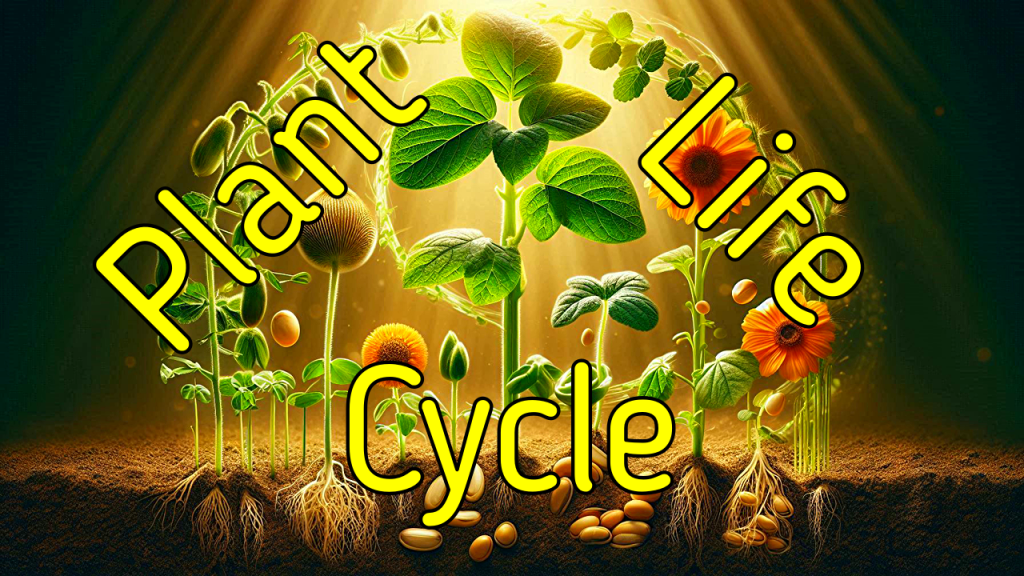
Understanding the Plant Life Cycle: From Seed to Senescence
The plant life cycle, from seed to senescence, illustrates critical growth and reproductive processes. It begins with germination, followed by seedling and vegetative stages, culminating in flowering and fruit production for seed dispersal. Finally, senescence recycles nutrients back into the soil, promoting ecological sustainability and continuity of plant species.
-
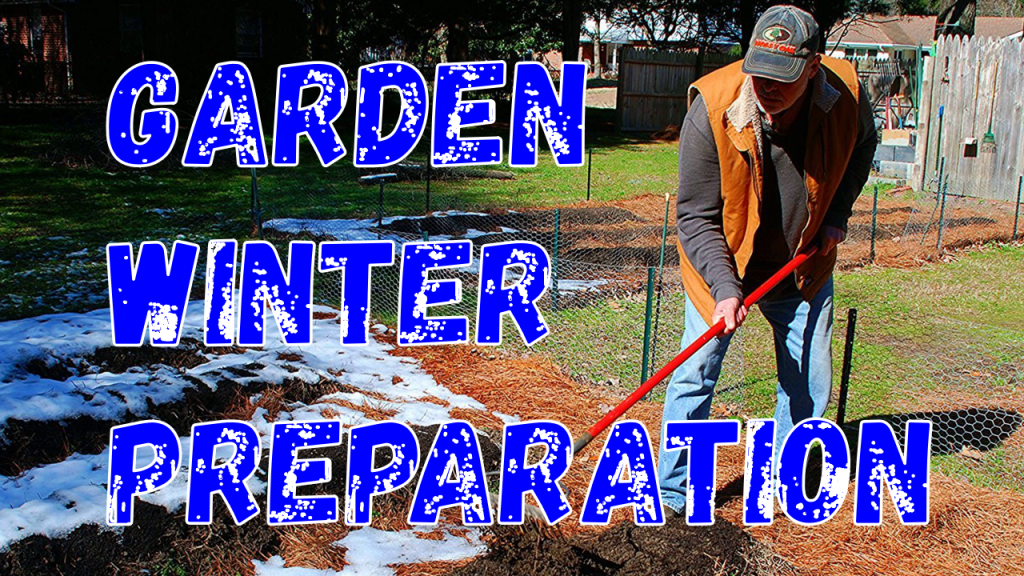
Essential Steps to Prepare the Veggie-Bed for Winter
To winterize the Veggie-Bed, start by cleaning garden beds of debris to prevent pests and diseases. Enrich with 1-2 inches of compost and conduct soil tests for nutrient optimization. Lightly cultivate soil and add 3-4 inches of mulch for insulation. Cover with landscape fabric to prevent erosion, ensuring a healthy spring garden.
-
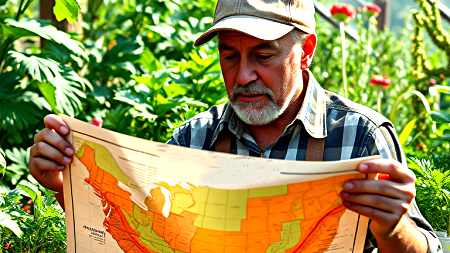
Combining Hardiness Zones and Terrestrial Ecosystems for Successful Gardens
As vegetable gardeners, we know that hardiness zones are key to understanding which vegetables can thrive in our area. However, it’s also essential to consider the local environment and terrestrial ecosystems surrounding us, such as soil, climate, and existing plants, as they can impact how well our vegetables grow. Let’s take a closer look at…
-
Optimizing Sustainable Vegetable Gardens with Phenomics
Did you know that those of us gardeners who save vegetable seeds from plants that did well in our gardens, and then save seeds from the most productive veggies produced from those seeds are practicing a grassroots form of something called Phenomics? So, you ask, exactly what is Phenomics? It’s all about choosing the plants…

