nature
-
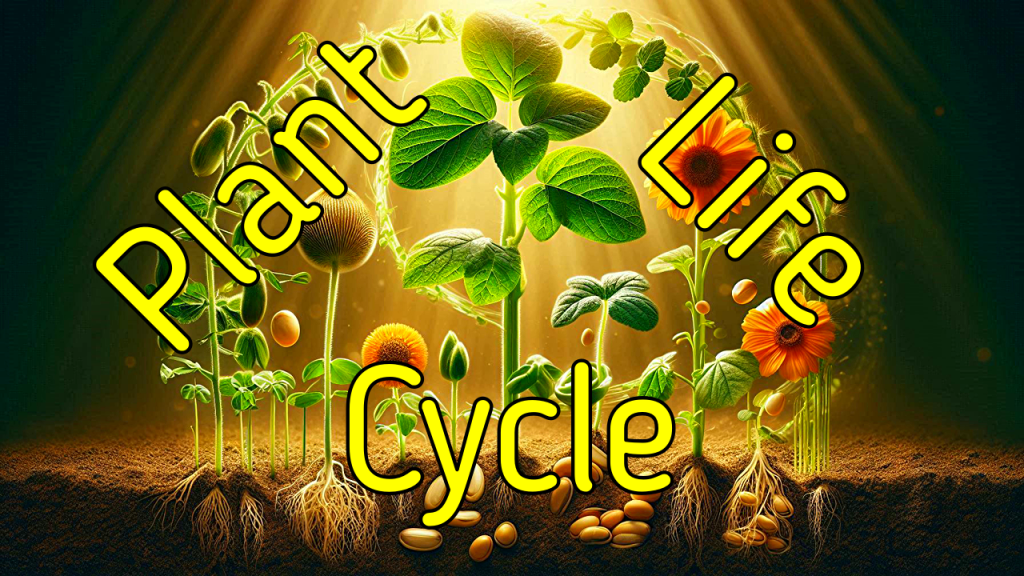
Understanding the Plant Life Cycle: From Seed to Senescence
The plant life cycle, from seed to senescence, illustrates critical growth and reproductive processes. It begins with germination, followed by seedling and vegetative stages, culminating in flowering and fruit production for seed dispersal. Finally, senescence recycles nutrients back into the soil, promoting ecological sustainability and continuity of plant species.
-
Understanding Seed Germination: Key Stages and Factors
Understanding seed germination is essential for enhancing agricultural practices and conserving plant species. The process involves key stages: imbibition, metabolism activation, radicle emergence, shoot growth, and true leaf development. Knowledge of germination factors, such as water and temperature, can improve crop yields and promote sustainable gardening practices. Eco Tom’s Sanctuary emphasizes this educational journey.

-
Sustainable Gardening: Eco Tom’s 2025 Plans
Eco Tom’s Sanctuary focuses on sustainable gardening practices for the 2025 season with crop rotation, companion planting, and a drip irrigation system. The garden, located in Chesapeake, VA, utilizes a no-till, organic approach to enhance soil health and promote biodiversity. Updates and tips on home gardening will be shared throughout the season.

-
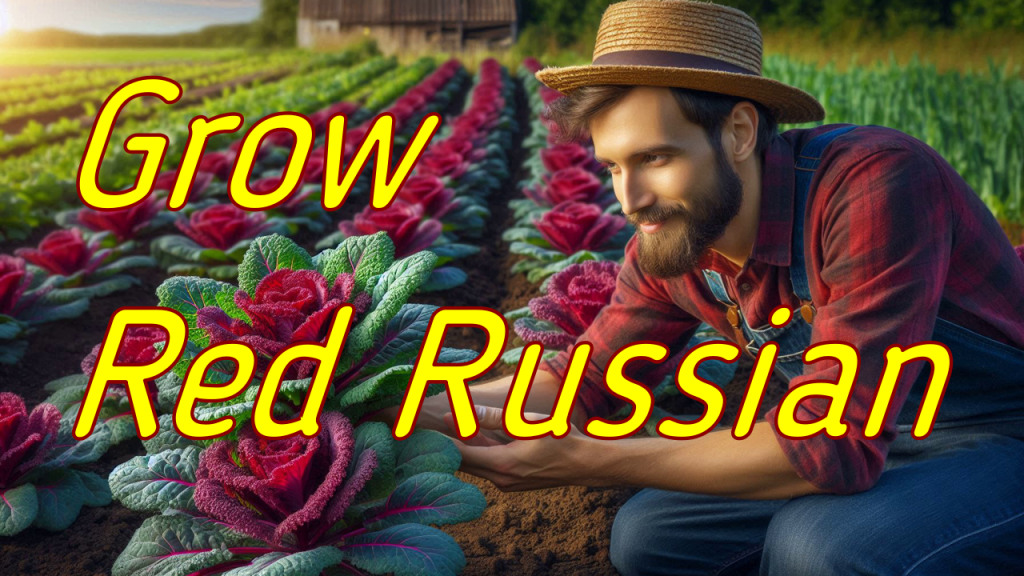
The Benefits of Growing Red Russian Kale
Red Russian kale is a cold-hardy variety known for its tender, sweet leaves and attractive purple-red stems. Originating from Siberia, it has gained popularity due to its nutritional value, ease of growth, and culinary versatility. Proper seed starting and transplanting techniques ensure a successful harvest, enhancing both meals and gardens.
-
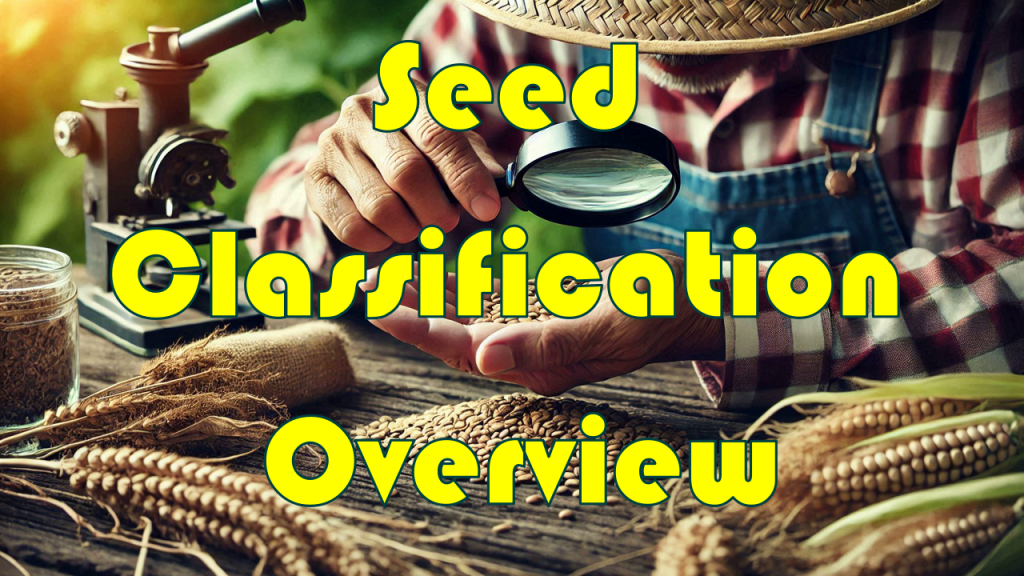
The Fascinating World of Seeds: Classification Explained
The post explores the classification of seeds based on various criteria such as origin, seed coat, storage, dispersal methods, and dormancy. It highlights different types, including monocots and dicots, orthodox and recalcitrant seeds, and their dispersal strategies like wind and animal transport. Understanding these classifications enhances appreciation for seeds’ roles in ecosystems and agriculture.
-
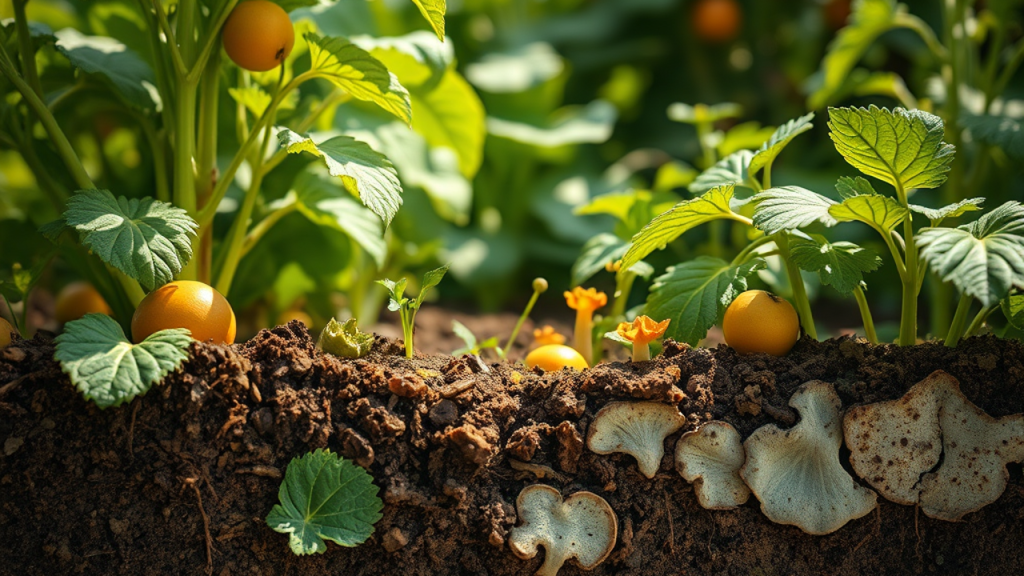
Fungi – Friends or Foes in Your Vegetable Garden?
Fungi are a kingdom of organisms distinct from plants, animals, and bacteria, including various species such as mushrooms, molds, and yeasts. In vegetable gardens, fungi play multiple roles—both beneficial and detrimental. Certain fungi form symbiotic relationships with plants, like mycorrhizal fungi, which enhance nutrient absorption and boost plant growth. On the other hand, other fungi…
-
Loblolly Pine: A Fast-Growing, Eco-Friendly Tree
Pine trees, with their distinctive needle-like leaves and seed-bearing cones, are a unique and integral part of our community. These evergreen, coniferous trees belong to the genus Pinus in the family Pinaceae and are native to the Northern Hemisphere. They are found in various habitats, from cold regions in North America to hot, sandy deserts.…


You must be logged in to post a comment.