homesteading
-
Join the Green Journey at Eco Tom’s Certified Wildlife Habitat
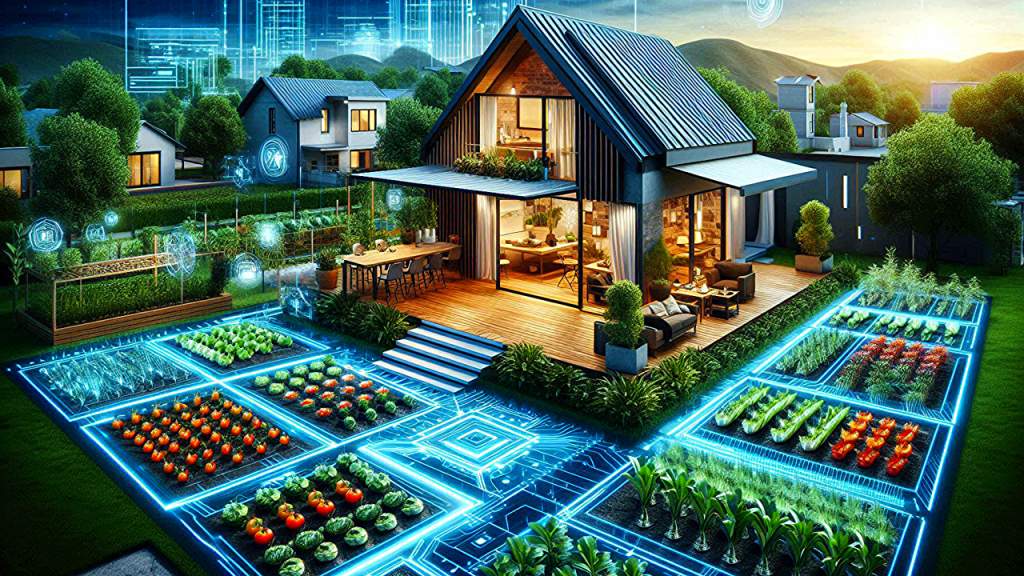
Eco Tom’s Sanctuary, located in Chesapeake, VA, is a certified wildlife habitat that integrates innovative gardening practices with sustainable methods. The centerpiece is a no-till organic vegetable garden promoting fresh produce and education. Through UrbanGardening4u2Day.com, Eco Tom shares gardening knowledge, merging scientific insight with personal passion to inspire sustainable practices.

-
Understanding the Plant Life Cycle: From Seed to Senescence
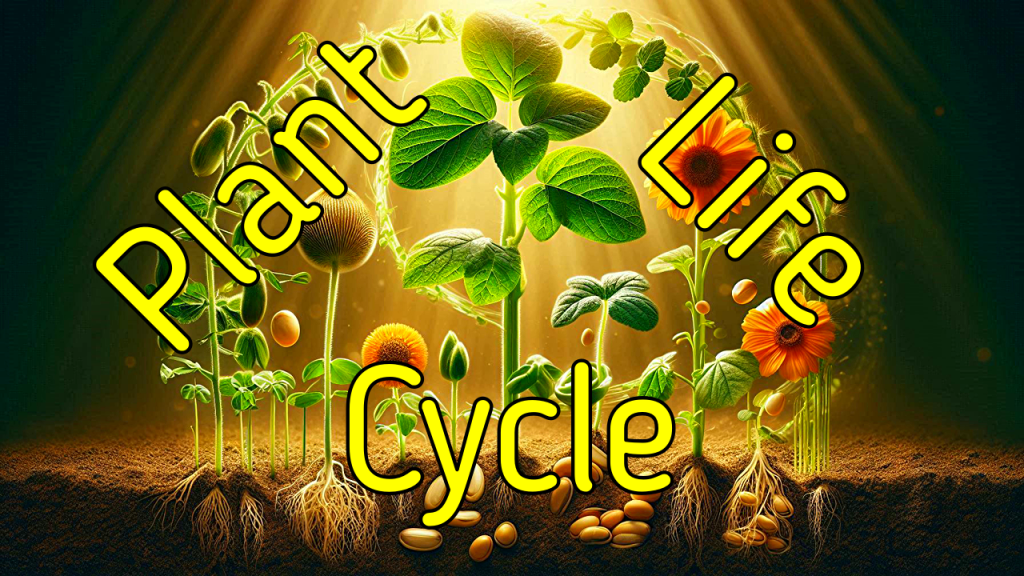
The plant life cycle, from seed to senescence, illustrates critical growth and reproductive processes. It begins with germination, followed by seedling and vegetative stages, culminating in flowering and fruit production for seed dispersal. Finally, senescence recycles nutrients back into the soil, promoting ecological sustainability and continuity of plant species.
-
Understanding Seed Germination: Key Stages and Factors
Understanding seed germination is essential for enhancing agricultural practices and conserving plant species. The process involves key stages: imbibition, metabolism activation, radicle emergence, shoot growth, and true leaf development. Knowledge of germination factors, such as water and temperature, can improve crop yields and promote sustainable gardening practices. Eco Tom’s Sanctuary emphasizes this educational journey.

-
Sustainable Gardening: Eco Tom’s 2025 Plans
Eco Tom’s Sanctuary focuses on sustainable gardening practices for the 2025 season with crop rotation, companion planting, and a drip irrigation system. The garden, located in Chesapeake, VA, utilizes a no-till, organic approach to enhance soil health and promote biodiversity. Updates and tips on home gardening will be shared throughout the season.

-
The Benefits of Growing Red Russian Kale
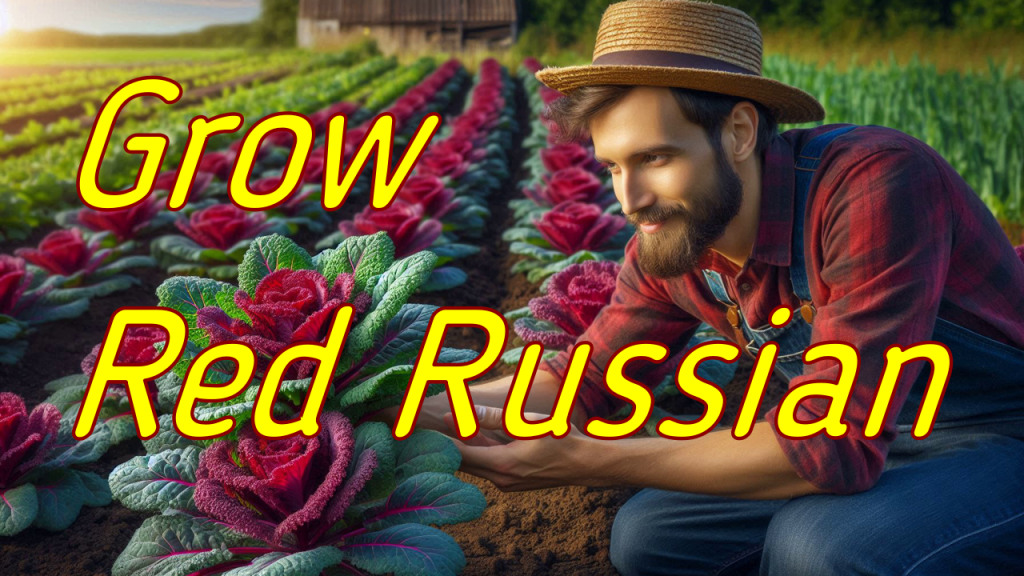
Red Russian kale is a cold-hardy variety known for its tender, sweet leaves and attractive purple-red stems. Originating from Siberia, it has gained popularity due to its nutritional value, ease of growth, and culinary versatility. Proper seed starting and transplanting techniques ensure a successful harvest, enhancing both meals and gardens.
-
Essential Factors for Successful Seed Germination
Successful seed germination relies on essential factors including water, temperature, light, oxygen, soil pH, seed quality, and pre-treatments. Proper moisture, temperature control, and understanding specific seed needs enhance growth. Additionally, high-quality seeds and proper pre-treatments like scarification and stratification improve germination rates, culminating in a thriving garden.

-
The Future of Vegetable Gardening in America
Vegetable gardening in the United States is experiencing a resurgence. The COVID-19 pandemic played a significant role in this revival, with 18.3 million new gardeners emerging during that time. This trend has continued, with many people, especially younger generations like millennials and Generation Z, taking up gardening. 55% of American households now engage in some…