garden
-
Understanding Seed Germination: Key Stages and Factors
Understanding seed germination is essential for enhancing agricultural practices and conserving plant species. The process involves key stages: imbibition, metabolism activation, radicle emergence, shoot growth, and true leaf development. Knowledge of germination factors, such as water and temperature, can improve crop yields and promote sustainable gardening practices. Eco Tom’s Sanctuary emphasizes this educational journey.

-
Sustainable Gardening: Eco Tom’s 2025 Plans
Eco Tom’s Sanctuary focuses on sustainable gardening practices for the 2025 season with crop rotation, companion planting, and a drip irrigation system. The garden, located in Chesapeake, VA, utilizes a no-till, organic approach to enhance soil health and promote biodiversity. Updates and tips on home gardening will be shared throughout the season.

-
The Benefits of Growing Red Russian Kale
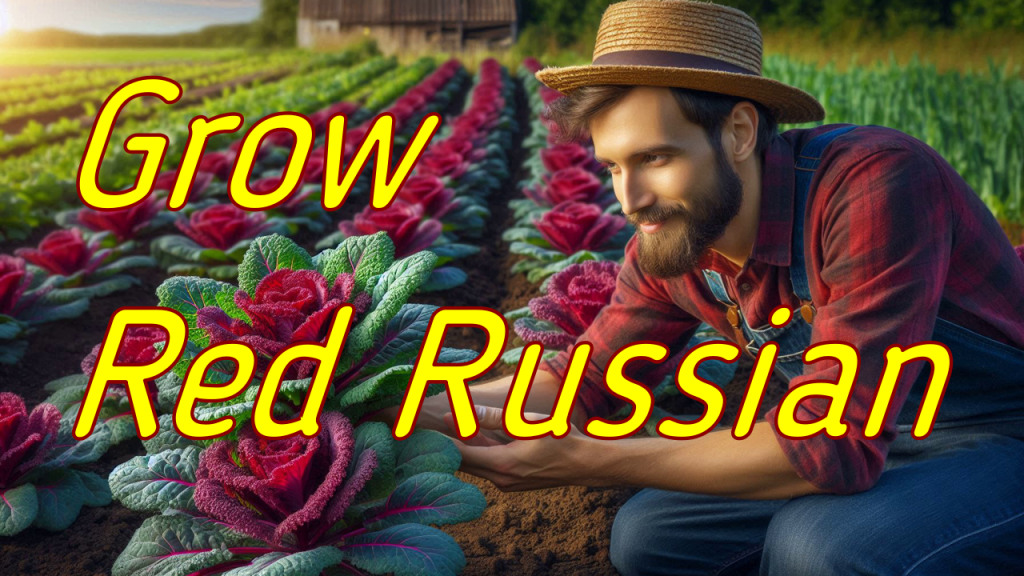
Red Russian kale is a cold-hardy variety known for its tender, sweet leaves and attractive purple-red stems. Originating from Siberia, it has gained popularity due to its nutritional value, ease of growth, and culinary versatility. Proper seed starting and transplanting techniques ensure a successful harvest, enhancing both meals and gardens.
-
Essential Factors for Successful Seed Germination
Successful seed germination relies on essential factors including water, temperature, light, oxygen, soil pH, seed quality, and pre-treatments. Proper moisture, temperature control, and understanding specific seed needs enhance growth. Additionally, high-quality seeds and proper pre-treatments like scarification and stratification improve germination rates, culminating in a thriving garden.

-
The Fascinating World of Seeds: Classification Explained
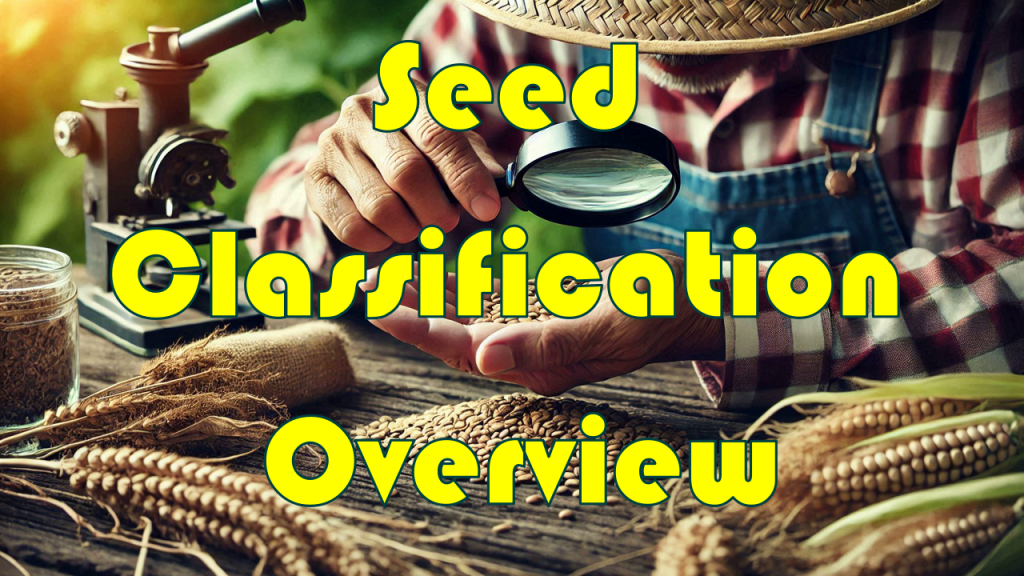
The post explores the classification of seeds based on various criteria such as origin, seed coat, storage, dispersal methods, and dormancy. It highlights different types, including monocots and dicots, orthodox and recalcitrant seeds, and their dispersal strategies like wind and animal transport. Understanding these classifications enhances appreciation for seeds’ roles in ecosystems and agriculture.
-
From Broadcasting to Blossoms: An Eco Tom Story
Eco Tom Myrick, a former TV news photojournalist, now advocates urban gardening to foster unity and peace through shared love for vegetables after completing the Master Gardener program. His initiatives, Eco Tom’s Sanctuary and UrbanGardening4u2Day.com, aim to educate on sustainable practices, merging personal experience with scientific insights.

-
Essential Steps to Prepare the Veggie-Bed for Winter
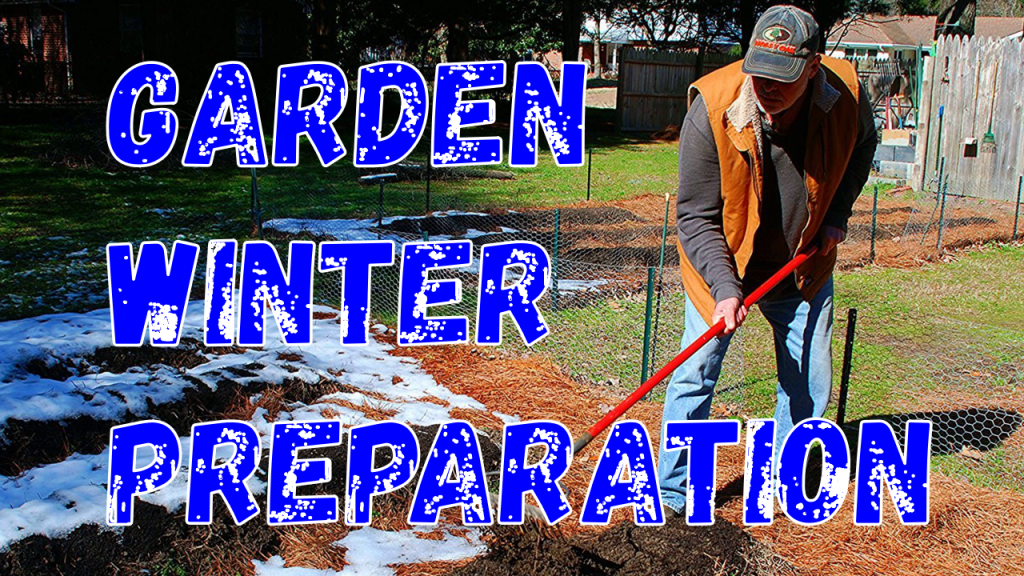
To winterize the Veggie-Bed, start by cleaning garden beds of debris to prevent pests and diseases. Enrich with 1-2 inches of compost and conduct soil tests for nutrient optimization. Lightly cultivate soil and add 3-4 inches of mulch for insulation. Cover with landscape fabric to prevent erosion, ensuring a healthy spring garden.