flowers
-
Discover Plant Science: Fun Facts for Kids
Plant science offers kids an exciting exploration of how plants grow and thrive. It explains processes like photosynthesis where plants “eat” sun and “drink” water, why flowers bloom in spring, and the role of chlorophyll in making leaves green. By understanding plants, kids become nature’s superheroes, uncovering their secrets each day.

-
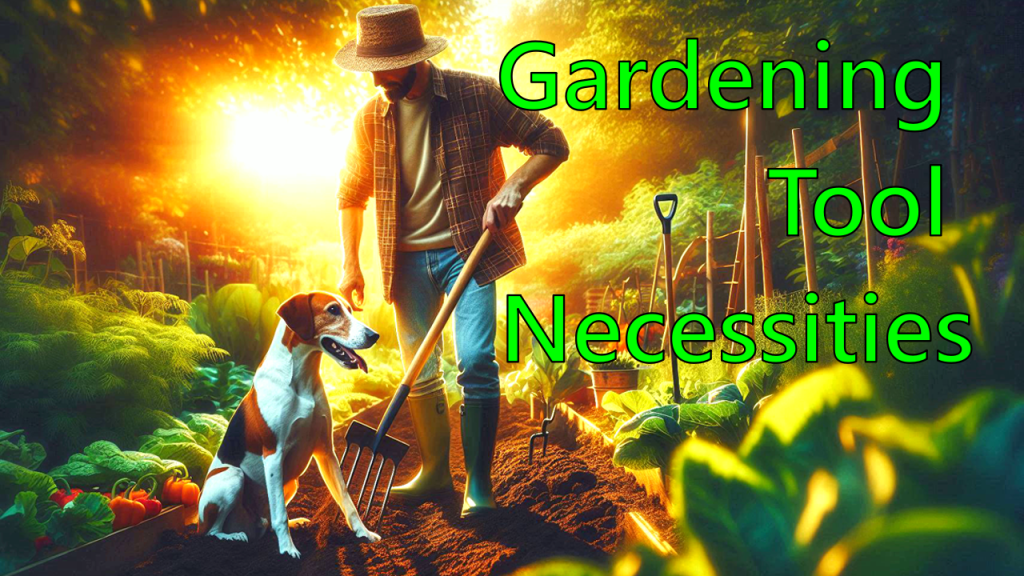
Maximize Your Garden’s Potential with the Right Tools
Eco Tom’s Sanctuary utilizes specialized gardening tools like shovels, spading forks, hoes, and rakes to enhance garden productivity and promote plant health. These tools help reduce plant damage, improve soil structure, and ensure successful gardening outcomes. Eco Tom blends science with gardening, advocating for sustainable practices through his sanctuary and educational website.
-
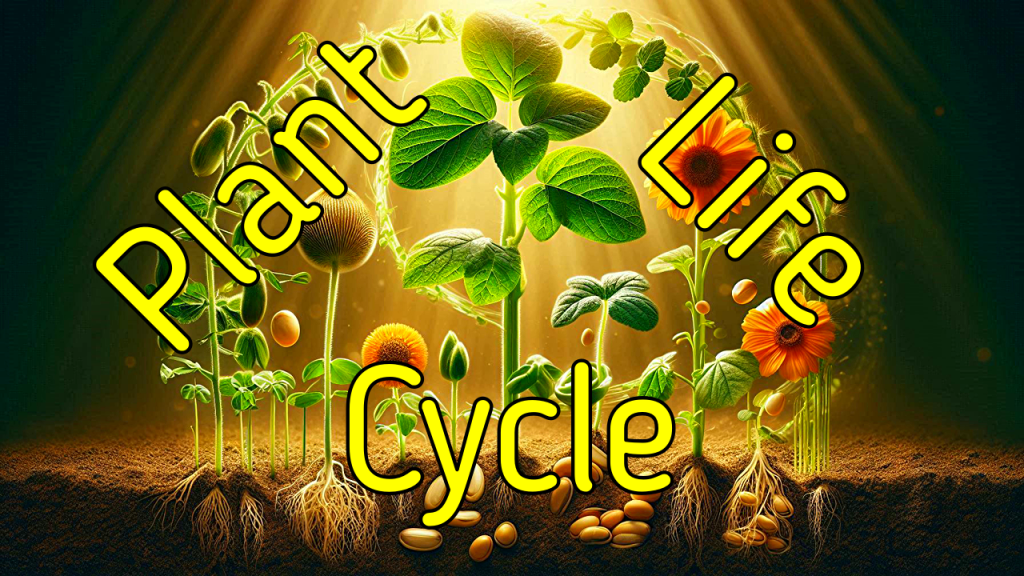
Understanding the Plant Life Cycle: From Seed to Senescence
The plant life cycle, from seed to senescence, illustrates critical growth and reproductive processes. It begins with germination, followed by seedling and vegetative stages, culminating in flowering and fruit production for seed dispersal. Finally, senescence recycles nutrients back into the soil, promoting ecological sustainability and continuity of plant species.
-
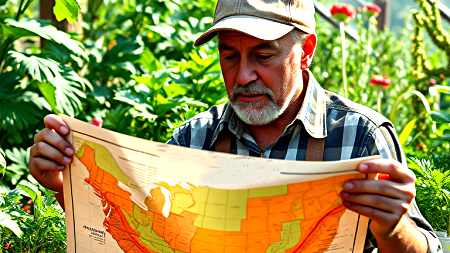
Combining Hardiness Zones and Terrestrial Ecosystems for Successful Gardens
As vegetable gardeners, we know that hardiness zones are key to understanding which vegetables can thrive in our area. However, it’s also essential to consider the local environment and terrestrial ecosystems surrounding us, such as soil, climate, and existing plants, as they can impact how well our vegetables grow. Let’s take a closer look at…
-
Healthy Gardening Practices: Balancing Care for My Body and the Veggie-Bed’s Well-Being
Alright, you might think I’m out of my mind, but I talk to the Veggie-Bed as if it were a living being. So why shouldn’t I? We have many things in common: We need consistent attention, nurturing, and a balanced approach to thrive. Just as I need regular exercise to keep my body fit, the…

-
Garlic Chives: Essential Late-Season Food for Bees at the Veggie-Bed
The three main types of chives are standard garlic chives, flowering chives (which have a stronger flavor), and yellow chives (which are milder and grown without direct sunlight). For several reasons bees are particularly attracted to the garlic chives’ flowers growing here at the Veggie-Bed. The garlic chives produce flowers rich in nectar and pollen,…

-
Benefits of Ryegrass Cover Crop for Vegetable Gardens
For the upcoming winter, we are considering whether to use ryegrass as a cover crop in the Veggie-Bed. So, what is ryegrass, and what are the advantages and disadvantages of using it in your vegetable garden for overwintering? Ryegrass, mainly cereal rye (Secale cereale), is a popular cover crop used in gardens during the winter…


You must be logged in to post a comment.