botany
-
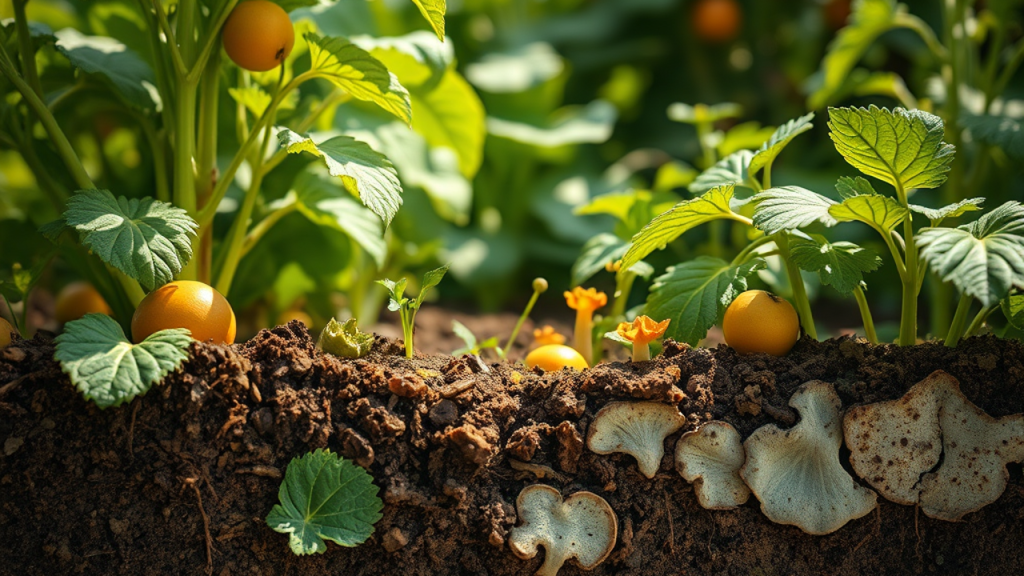
Fungi – Friends or Foes in Your Vegetable Garden?
Fungi are a kingdom of organisms distinct from plants, animals, and bacteria, including various species such as mushrooms, molds, and yeasts. In vegetable gardens, fungi play multiple roles—both beneficial and detrimental. Certain fungi form symbiotic relationships with plants, like mycorrhizal fungi, which enhance nutrient absorption and boost plant growth. On the other hand, other fungi…
-
How Nematodes Impact Your Vegetable Garden
Nematodes, also known as roundworms or eelworms, are a diverse group belonging to the phylum Nematoda. They can be found in a wide range of environments, from soil and freshwater to marine habitats. This diversity is reflected in their feeding habits, with most nematodes being free-living and feeding on microorganisms, while many species are parasitic,…

-
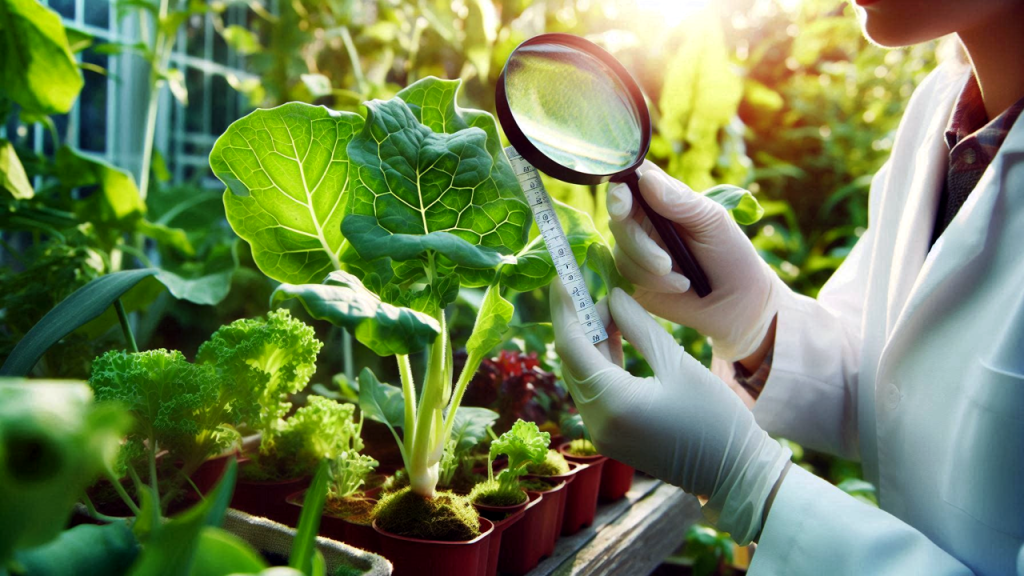
The Importance of Plant Pathology in Vegetable Gardening
Understanding plant pathology is essential for us at the Veggie-Bed because it helps us protect our vegetables, produce healthier plants, and save money. By knowing how to manage plant diseases, we can enjoy better-quality and more nutritious vegetables while being eco-friendly. So, what is plant pathology, and how does it apply to vegetable gardening? Plant…
-
The Role of Earthworms in Soil Health and Plant Growth
At the Veggie-Bed, one indicator of healthy, fertile soil is earthworms in our garden. So why is it essential to have earthworms in our garden? Earthworms, the unsung heroes of our garden, play a pivotal role in creating and maintaining a healthy garden soil environment. As earthworms burrow through the soil, they create channels that…

-
Understanding Soil Texture: Components and Testing Methods
Soil conditions can vary, but most vegetable plants have specific soil requirements. In this post, we will discuss soil texture components and our method for testing soil texture at the Veggie-Bed. It’s important to remember that the soil in your vegetable garden can be improved with the right knowledge and effort. Excessive sand can deplete…

-
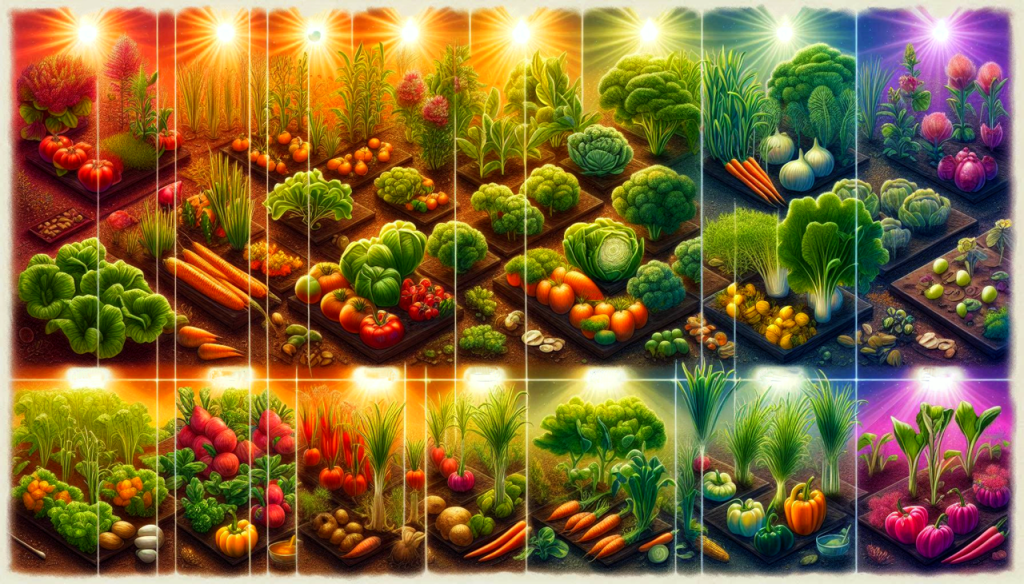
Photoperiodism: Cultivating Productivity Through Light and Darkness
Photoperiodism, the science of how the relative lengths of daylight and darkness influence plant growth and development, is a powerful tool for gardeners. Understanding and applying a plant’s photoperiodic response (how plants respond to the relative lengths of day and night, influencing processes like flowering, seed germination, and dormancy) to your planting dates can significantly…

You must be logged in to post a comment.