AI image
-
Maximizing Daylight: DST Effects on Gardeners and Green Spaces
Image: AI-Generated; Prompt/edited: Tom Myrick -DST Effects on Gardeners and Green Spaces- Daylight Saving Time (DST) involves setting clocks forward one hour in summer to maximize natural daylight. While it affects 9-to-5 gardeners’ schedules, it offers an extra hour of morning light and longer evening daylight. Embrace the shift in clocks and make the most…

-
Sun-Kissed Rows: Cultivating Life at the Veggie-Bed
Image: AI-Generated; Prompt/edited: Tom Myrick -Cultivating Life at the Veggie-Bed- In the Veggie-Bed, careful attention is given to aligning rows from north to south, ensuring consistent sunlight exposure and airflow. This approach supports a diverse family of plants, fostering growth and warding off diseases. The creators honor the sun, wind, and earth, maintaining a leafy…

-
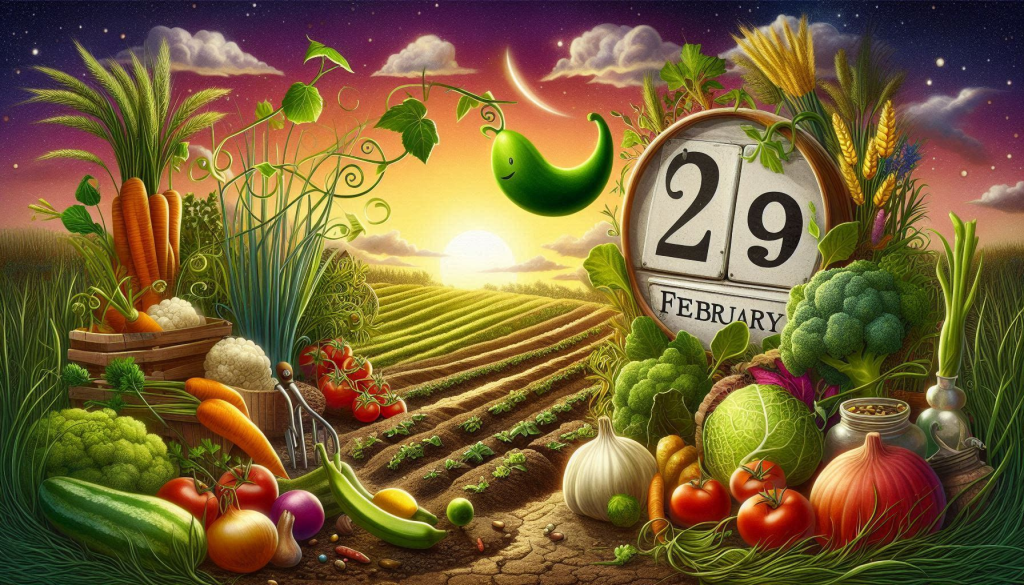
A Cosmic Connection
Image: AI-Generated; Prompt/edited: Tom Myrick -Leap Years and Vegetable Gardening- Leap years, occurring every four years, add an extra day to our calendars—leap day, February 29th. They help maintain the alignment of seasons, ensuring accurate planting and harvesting times for vegetable gardening. Without them, seasonal cues would drift, impacting crop planning and frost dates. The…
-
Mastering Growing-Degree Days for Your Vegetable Garden
Image: AI-Generated; Prompt/edited: Tom Myrick; -Growing-Degree Days- Growing-degree days (GDD) measure daily temperature accumulation, aiding in predicting plant growth, maturation, and pest activity. Understanding GDD helps in making informed planting decisions based on specific temperature preferences, impacting successful germination and growth. Armed with this knowledge, one can cultivate a thriving vegetable garden. Join the Urban…

-
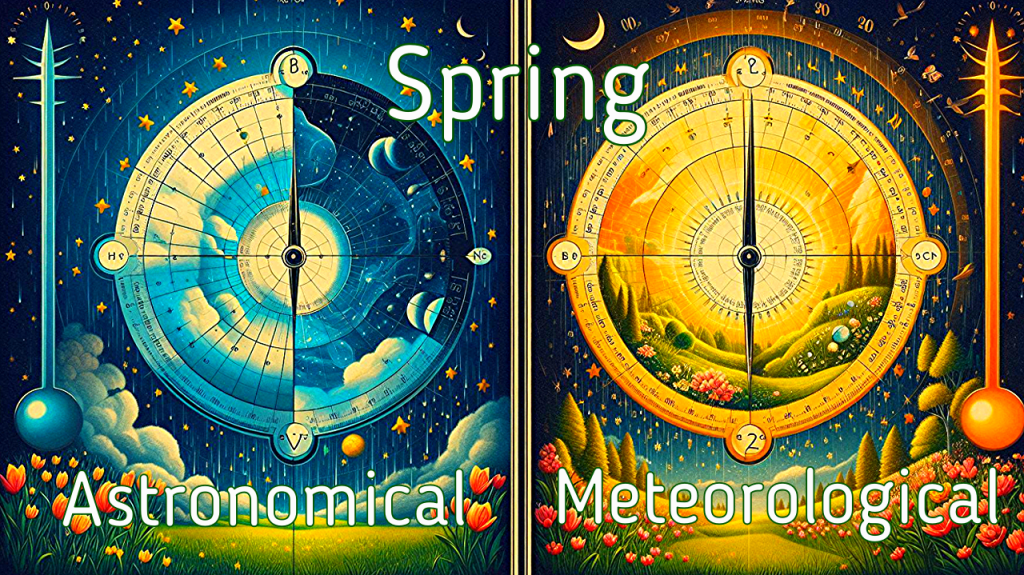
Spring Unveiled: Meteorological vs. Astronomical
Image: AI-Generated; Prompt/edited: Tom Myrick; -Meteorological vs. Astronomical- Meteorological spring, starting on March 1, relies on temperature cycles and the Gregorian calendar, while astronomical spring aligns with the vernal equinox around March 20, focusing on Earth’s position relative to the sun. Meteorological spring accounts for practical weather patterns, while astronomical spring involves celestial events, both…