AI image
-
Earthing in Vegetable Gardening: Science, Benefits, and Techniques
At the Veggie-Bed, we’re all about embracing our holistic approach to vegetable gardening, which includes the practice of earthing. Earthing, also known as grounding, is making direct physical contact with the Earth’s surface, such as walking barefoot on grass, sand, or soil. The idea is that this contact allows the Earth’s natural electric charges to…

-
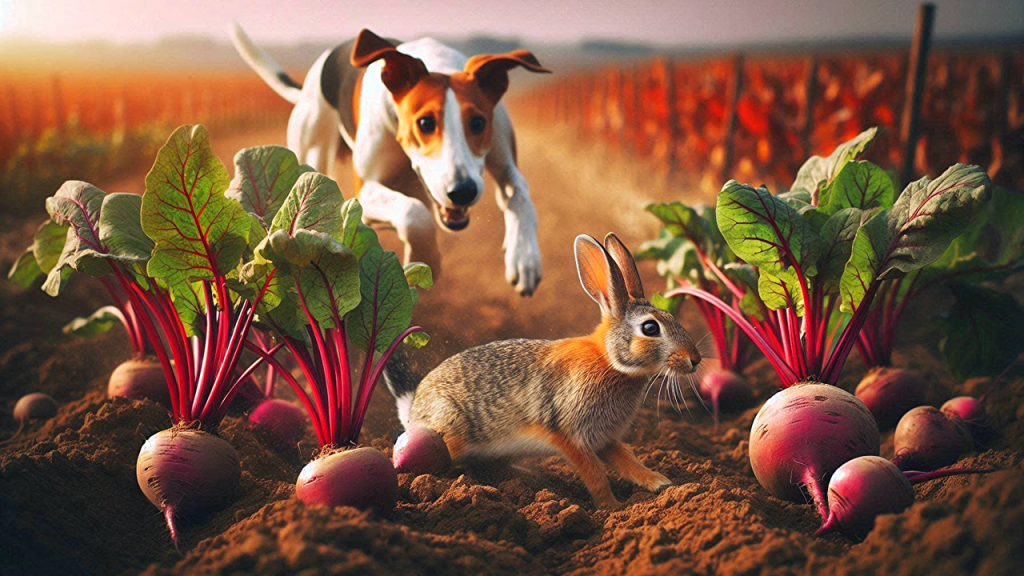
‘Beetiful’ Harvest: Tips for Growing and Storing Beets
At our home garden called The Veggie-Bed, we take pride in growing beautiful and delicious beets. To ensure a successful harvest, we follow a careful and organic process from planting to storage. Here’s a detailed guide on how we grow, care for, and store our beets for maximum freshness and flavor: Beets thrive in loose,…
-
Growing Collards in Fall: Sweet Success at the Veggie-Bed
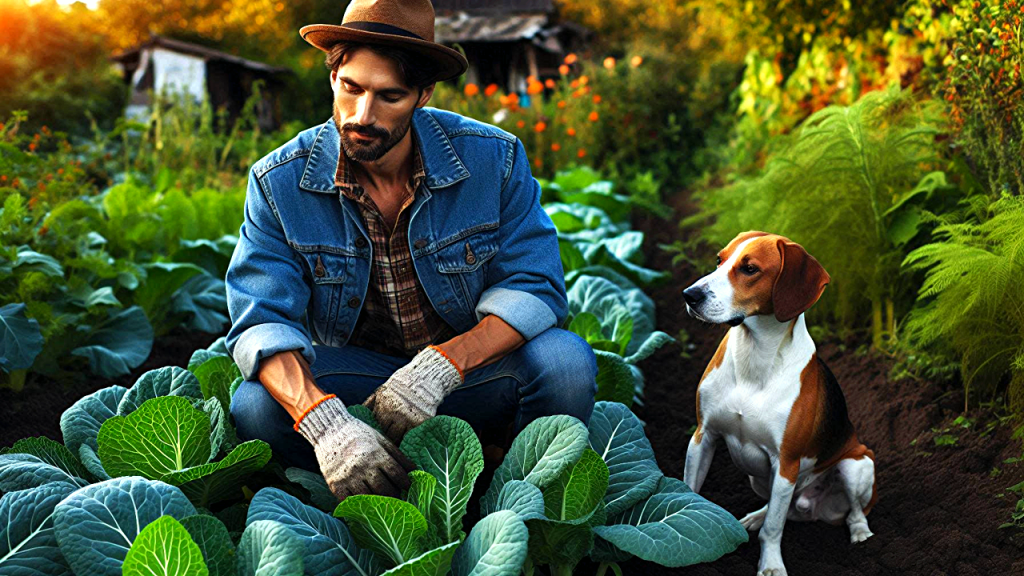
As we prepare to transition into the golden hues of autumn, there’s nothing quite like the satisfaction of growing collards at the Veggie-Bed. The fall season offers the perfect conditions for cultivating these leafy greens, enhancing their flavor and tenderness. With cooler temperatures, occasional frosts, and fewer pest challenges, it’s an ideal time to embark…
-
Exciting Fall Garden Ideas: Thriving Vegetables for Cooler Temperatures
As the weather cools, it’s the perfect time to plan out your fall garden with an array of delightful vegetables that thrive in the cooler temperatures. Here are some fantastic options to consider: 15 Cool-Weather Crops for a Successful Fall Garden 1. Beets: These vibrant and earthy root vegetables can withstand light frost and continue…

-
From Summer to Fall: Extend Your Harvest with a Fall Vegetable Garden
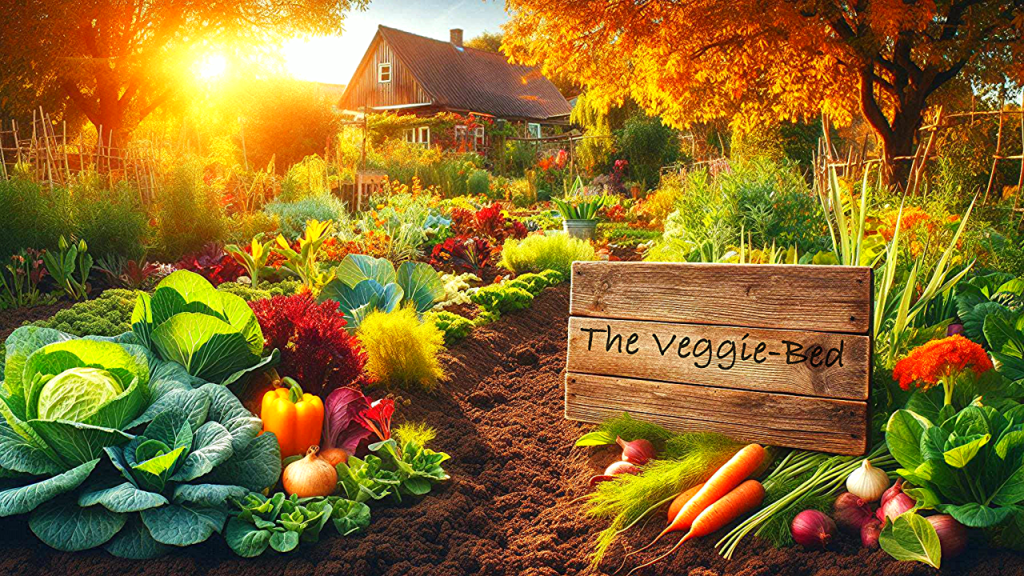
With the summer vegetable gardens starting to wind down, growing a fall vegetable garden is a wonderful way to extend your vegetable harvest. Planting a fall vegetable garden is a rewarding and enjoyable experience. Growing a fall vegetable garden offers several benefits: Fall crops allow you to enjoy fresh produce well into autumn. By planting…
-
Weather and Climate Effects on Vegetable Gardening
How do weather cycles and climate cycles affect vegetable gardening? Weather cycles can indirectly influence climate cycles. For example, short-term weather events impact ocean circulation patterns and atmospheric conditions, which, over time, contribute to climate variations. Conversely, natural climate cycles set the backdrop against deviations caused by recent greenhouse gas emissions. So, what are weather…

-
Too Much of a Good Thing
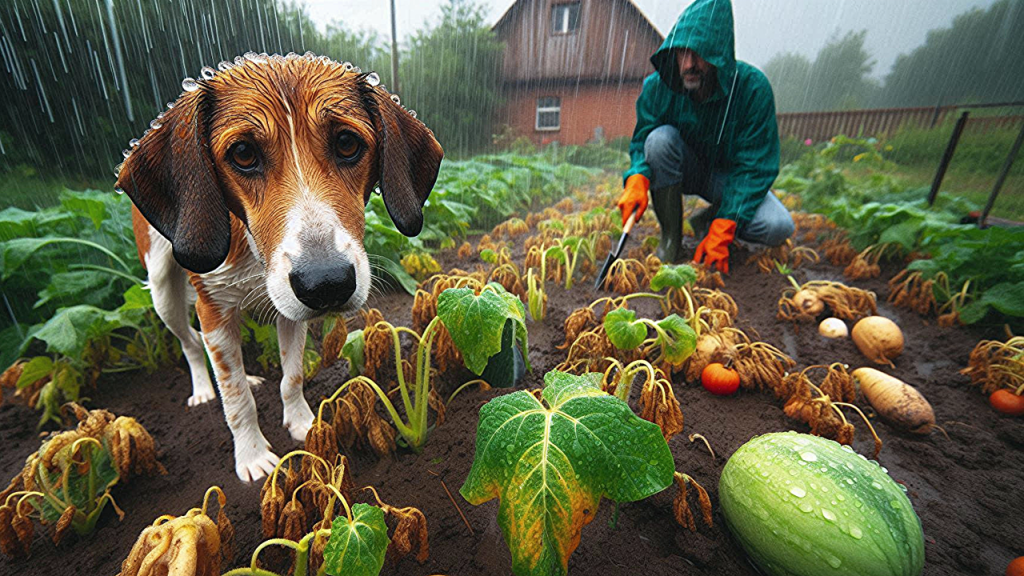
Excessive rain can affect a vegetable garden in several ways. While it’s important to remember that plants are resilient, prolonged wet conditions can infect plants and result in stunted growth, spots on foliage, and decay on leaves, stems, or fruit. Gardens can become muddy, causing plants to droop and potentially rot. Standing water and waterlogged…

You must be logged in to post a comment.