Cultivating Lush Pole Beans - Comprehensive Guide’ for valuable insights!Here at Eco Tom’s Sanctuary, we find that cultivating pole beans is a rewarding gardening experience. With their lush green vines twisting upwards, these vibrant climbing beans are remarkably easy to grow and offer a generous harvest bursting with flavor and nutrition. With that being said, it’s time to dig into how to grow pole beans successfully:
When selecting a pole bean variety, it’s important to consider both your local climate and your personal taste preferences. Each type of pole bean has its unique characteristics and growing requirements. For example, Kentucky Wonder is known for its robust flavor and excellent productivity, making it a staple in many gardens. Blue Lake, which is our personal favorite at our garden called the Veggie-Bed, offers a tender and sweet taste, perfect for fresh eating and canning. Not to be forgotten, Scarlet Runner beans stand out not only for their vibrant red flowers but also for their delicious, distinctive flavor. Be sure to choose a variety that thrives in your growing conditions and complements your culinary needs.
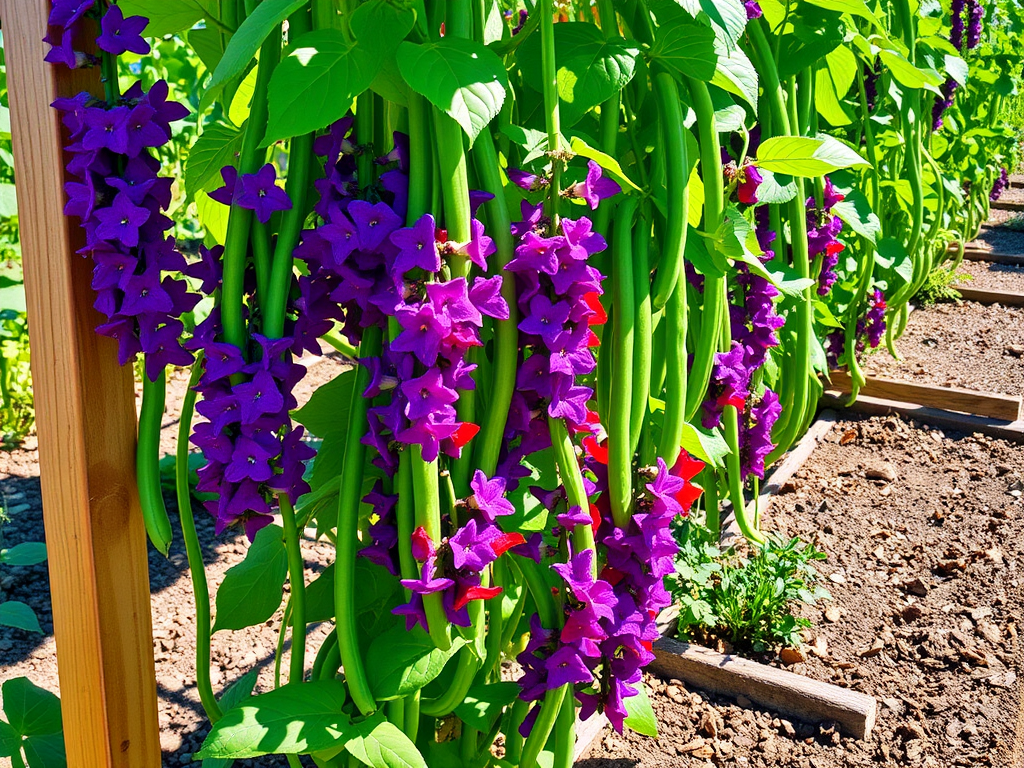
Pole beans flourish in full sunlight, requiring a generous 6 to 8 hours of direct sunlight each day to reach their full potential. These climbing legumes prefer well-draining soil, which helps prevent waterlogging and root rot. They particularly thrive in slightly acidic to neutral soil, ideally with a pH level ranging from 6.0 to 7.0. By providing these optimal conditions, our pole beans grow tall and produce an abundant harvest.
To prepare the soil for planting pole beans, we begin by loosening it to a depth of approximately 12 inches. This helps create a productive environment for the roots to grow. Next, we incorporate organic compost and well-aged manure (like alpaca or cow manure) into the soil to significantly boost its fertility, providing essential nutrients that will support healthy plant growth. Be sure to check the moisture level of the soil; it should feel damp to the touch but remain well-drained, avoiding any excess water that could lead to waterlogged conditions.
To successfully grow pole beans, we begin by sowing the seeds directly into the soil after the last frost has passed, ensuring that the soil temperature has warmed to a comfortable 60°F (15°C). Be sure to choose a sunny location, as pole beans thrive in warm soil. When planting, we space the seeds about 2 inches apart, either in organized rows around a trellis that provides vertical support for climbing. We dig small holes and plant each seed 1 inch deep, covering them gently with soil. This creates a nurturing environment for the seeds to sprout and flourish into healthy, productive plants.
Pole beans are vibrant climbing plants that thrive when given vertical support. To encourage healthy growth, they need structures such as trellises, stakes, or poles that allow them to reach for the sun. One popular method is the teepee trellis, which consists of three sturdy poles tied together at the top, forming a charming, triangular shelter for the vines. Other options include using a sturdy fence or netting, providing a beautiful backdrop while supporting the beans as they grow. In our garden we prefer to use netting stretched tightly between two durable posts securely anchored in the ground, creating a robust framework that helps the beans climb and flourish.

When caring for pole beans, it’s important to maintain consistently moist soil to promote healthy growth. However, be cautious not to overwater, as this can lead to root rot. Applying a thick layer of mulch around the base of the plants is highly beneficial; it helps retain moisture in the soil, provides insulation against temperature fluctuations, and effectively suppresses the growth of weeds that compete for nutrients. By following these practices, we can support a robust pole bean development throughout our growing season.
It’s important to remember when fertilizing pole beans that these plants have the unique ability to fix their own nitrogen, making high-nitrogen fertilizers unnecessary. Instead, consider using a balanced fertilizer, like a 10-10-10 formulation containing equal parts nitrogen, phosphorus, and potassium. We apply organic compost sparingly to provide essential nutrients without overwhelming the plants. This approach helps us ensure healthy growth and a bountiful harvest of delicious beans.
Our pole beans typically reach their peak harvest time between 60 to 80 days after planting, though this can vary based on the specific variety and the growing conditions they experience. For the best flavor and texture, we choose to harvest the beans when they are firm to the touch and approximately 4 to 6 inches long—this is the perfect size for a delicious bite. Regularly harvesting the beans not only ensures us a steady supply for our meals, but it also stimulates the plants to produce even more beans throughout the growing season, resulting in a more abundant garden. By keeping a close eye on our plants and picking the beans at their prime, we enjoy richer harvests and healthier plants.

With dedicated care and nurturing, our vibrant pole beans flourish. The eye-catching vines climb effortlessly, adding a lush green backdrop to our garden while providing an abundant supply of fresh, delicious beans ready for our culinary creations.

Eco Tom blends science with the heart of a gardener and encourages you to join him on his journey.
AI played a role in formulating this content, helping to refine and organize the information presented.
Eco Tom’s Sanctuary and UrbanGardening4u2Day.com represent a combined effort to promote and educate about sustainable gardening practices. The sanctuary acts as a practical demonstration site, while the website extends the reach through a variety of digital resources, blending real-world experiences with scientific knowledge.
Images: AI-Generated
Audio Deep Dive: AI-Generated based on user-provided sources and instructions
Eco Tom and Eco Tom’s Sanctuary is inspired by a real home garden and true-life experiences.
-The information provided on UrbanGardening4u2day.com is intended for general informational purposes only and is shared in good faith. We make no representations or warranties of any kind—whether express or implied—regarding the accuracy, adequacy, validity, reliability, availability, or completeness of any information on this website-
© Thomas Myrick 2025. All rights reserved

You must be logged in to post a comment.