As the last frost date approaches and planting season comes into view at the Veggie-Bed in Eco Tom’s Sanctuary, we are eagerly refreshing our plant science knowledge. In this blog and audio overview, we will journey through the life cycle of a plant. So, put on your gardening gloves and get ready to dig in!
The life cycle of a plant, from germination to senescence, is a testament to the incredible processes of growth and reproduction in the plant kingdom. Each stage is a vital link in the chain that sustains the continuity of plant life across generations. Understanding this cycle helps us appreciate the complexity and resilience of plants, which play a crucial role in maintaining the balance of our ecosystem and providing the resources necessary for life on Earth.
It begins with a seed, a remarkable package containing the embryo of a future plant and the nutrients it needs to start growing. Germination is the process by which a seed awakens from dormancy and begins its journey to become a mature plant. Several conditions must be met for germination to occur: the presence of water, the right temperature, and sometimes light. When these conditions are favorable, the seed absorbs water, swelling until the seed coat breaks open. The embryonic root (radicle) emerges first, anchoring the plant into the soil and beginning the absorption of water and minerals. Shortly after, the embryonic shoot (plumule) pushes its way upward, eventually breaking through the soil surface to reach sunlight.
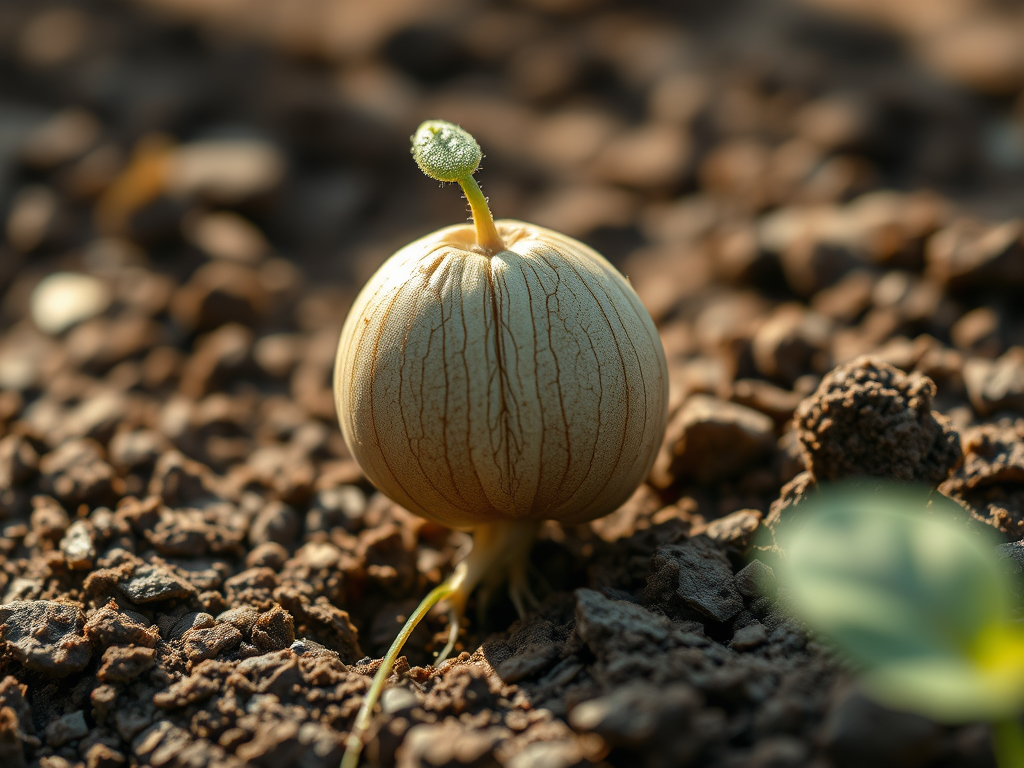
Once the seedling emerges from the soil, it enters a critical phase of growth. During the seedling stage, the plant develops its first true leaves, which are essential for photosynthesis, the process of converting light energy into chemical energy. The plant relies heavily on its initial nutrient reserves but quickly starts to produce its own energy through photosynthesis. The young plant is highly vulnerable during this stage and must establish a robust root system to support further growth.
During the vegetative stage, the plant focuses on growing taller and stronger. It develops a robust stem and a network of roots that delve deeper into the soil to absorb water and nutrients. The plant also produces more leaves, which are essential for photosynthesis, enabling the plant to convert sunlight into the energy needed for further growth. This period is marked by rapid and extensive growth, preparing the plant for the subsequent stages of its life cycle.
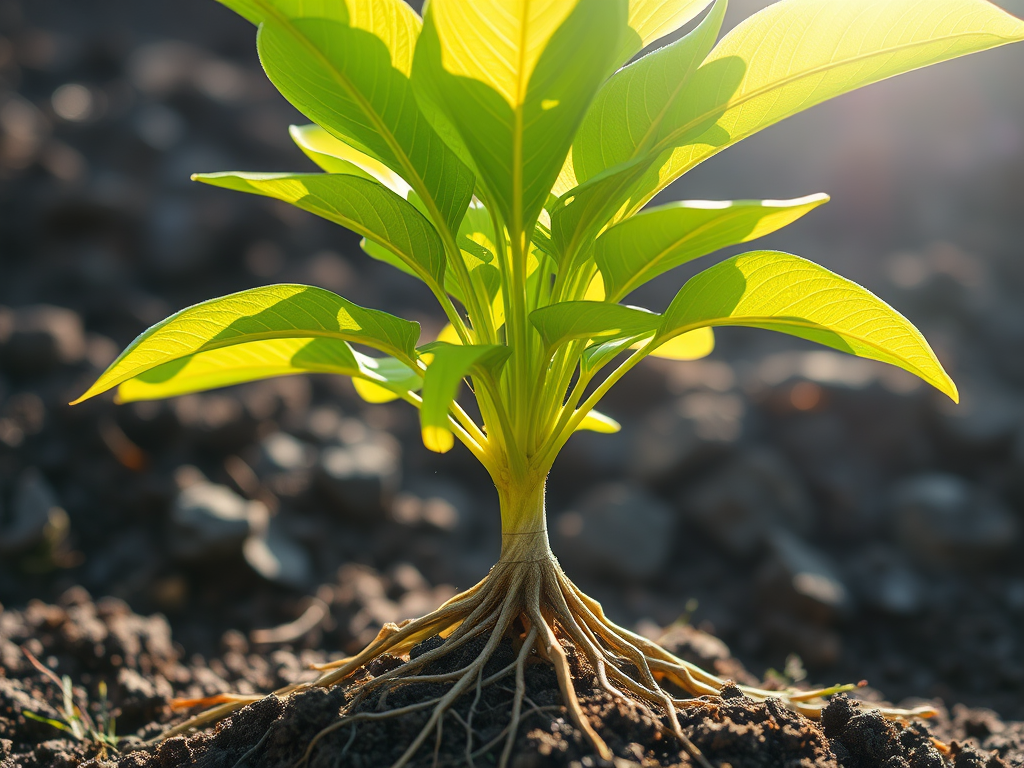
As the plant matures, it enters the flowering stage. Small buds appear, eventually blooming into delicate flowers. These flowers are crucial for reproduction as they contain the plant’s reproductive organs. Pollination occurs when pollen from the male part of the flower (the stamen) is transferred to the female part (the pistil), either by wind, insects, or other means. This stage is vital for the continuation of the plant species, as successful pollination leads to the formation of seeds.
Following a successful pollination, the flowers give way to fruits or pods, which house the developing seeds. The fruit provides protection and nutrients for the seeds as they mature. This stage is crucial as it ensures the production of viable seeds for the next generation of plants. The fruits grow and mature, and the seeds inside them gradually increase in size, becoming fully developed and ready for dispersal.
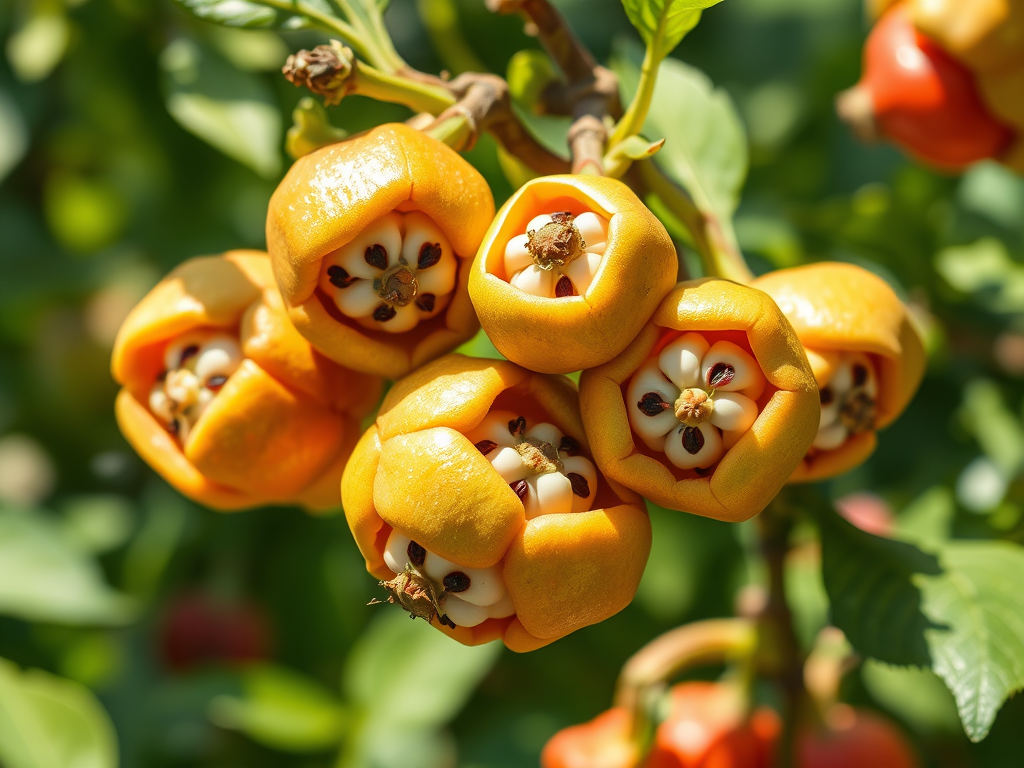
When the seeds have matured, the plant must ensure their successful dispersal to new locations where they can germinate and grow. Plants have evolved various mechanisms for seed dispersal, including wind, water, animals, and mechanical means. Wind dispersal involves light seeds or fruits that can be carried away by the breeze. Water dispersal occurs in plants near bodies of water, where seeds are carried by currents. Animal dispersal relies on seeds being eaten and later excreted by animals or transported on their fur. Mechanical dispersal involves seeds being expelled from the fruit with force.
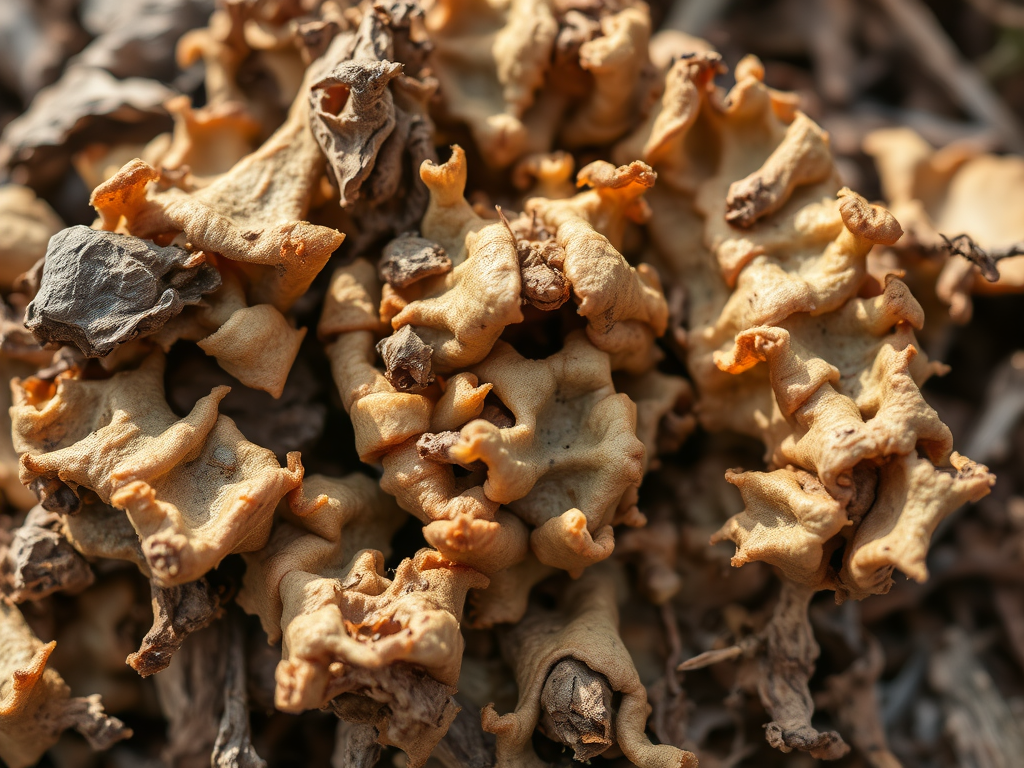
After the seeds are dispersed, the plant enters the final stage of its life cycle, known as senescence. During senescence, the plant’s growth slows down, and it eventually dies. This stage is characterized by the breakdown of cellular structures and the recycling of nutrients. The decaying plant matter returns valuable nutrients to the soil, enriching it for future plants. Senescence is a natural and essential part of the plant life cycle, completing the journey from seed to seed and ensuring the continuity of plant species.
In essence, the life cycle of a plant is a fascinating and diverse journey, beginning with a tiny seed that holds the promise of a new life. As it germinates, it pushes through the soil, reaching for the sunlight. This incredible process continues as the plant grows and evolves, displaying nature’s remarkable design and illustrating the vital role plants play in enriching and nurturing ecosystems on our planet.

Eco Tom blends science with the heart of a gardener and encourages you to join him on his journey.
AI played a role in formulating this content, helping to refine and organize the information presented.
Eco Tom’s Sanctuary and UrbanGardening4u2Day.com represent a combined effort to promote and educate about sustainable gardening practices. The sanctuary acts as a practical demonstration site, while the website extends the reach through a variety of digital resources, blending real-world experiences with scientific knowledge.
Images: AI-Generated
Audio Overview: AI-Generated based on user-provided sources and instructions
-The information provided on UrbanGardening4u2day.com is intended for general informational purposes only and is shared in good faith. We make no representations or warranties of any kind—whether express or implied—regarding the accuracy, adequacy, validity, reliability, availability, or completeness of any information on this website-
© Thomas Myrick 2025. All rights reserved

You must be logged in to post a comment.