Cabbage Worms: Lifecycles and Natural Remedies Comprehensive Guide’ for valuable insights!Have you ever planted leafy vegetables such as broccoli, kale, and cabbage, only to have them decimated by the cabbage butterfly’s larvae, commonly called cabbage worms? Despite the name, they aren’t worms; they’re caterpillars. These little green critters are known for their voracious appetite, especially for plants in the cabbage family, like broccoli, kale, and—you guessed it—cabbage. We use different strategies at Eco Tom’s Sanctuary to combat these nasty little pests that invade our Veggie-Bed. So, let’s dig into what cabbage butterflies are and ways to control them:
The cabbage butterfly, scientifically known as Pieris rapae, is a small to medium-sized butterfly commonly found in many parts of the world. This species is often recognized by its white wings adorned with black spots, making it easily distinguishable from other butterflies. Cabbage butterflies are highly adaptable and can be found in a variety of habitats, including gardens, fields, meadows, and urban areas. They are most prevalent in regions with temperate climates and are widespread across Europe, Asia, North America, and North Africa.

Cabbage butterflies are diurnal and are most active during the daytime. They are known for their fluttering flight and are often seen basking in the sun with their wings open. The reproduction cycle is rapid, with several generations produced yearly, especially in warmer climates.
The life cycle of the cabbage butterfly consists of four stages: egg, larva (caterpillar), pupa (chrysalis), and adult. The female butterfly lays her eggs on the leaves of host plants, primarily belonging to the Brassicaceae family, such as cabbage, broccoli, and kale. The eggs hatch into green caterpillars that feed voraciously on the leaves, causing significant damage to crops. After reaching maturity, the caterpillar forms a chrysalis, from which the adult butterfly emerges. Adult butterflies, on the other hand, primarily feed on nectar from a variety of flowers, contributing to pollination.

We take a multifaceted approach to managing cabbage butterfly populations in the Veggie-Bed. To effectively protect our crops, we utilize a combination of methods tailored to the unique challenges posed by these pests. One of the tools in our arsenal is insecticidal soaps for organic gardening, which help reduce the immediate threat by targeting adult butterflies and their larvae. In addition, we harness the power of nature by introducing biological control agents, including beneficial parasitic wasps that prey on cabbage butterflies, effectively keeping their numbers in check. Furthermore, we implement thoughtful cultural practices, such as crop rotation, which disrupt the life cycle of the pests and minimize their chances of returning year after year. Protective netting is also employed to create a physical barrier, shielding our plants from being laid upon by adult butterflies. Through these combined efforts, we strive to maintain a healthy and productive environment for our vegetables.

At Eco Tom’s Sanctuary, our commitment to sustainable gardening practices allows us to protect our plants while maintaining a balanced ecosystem. With these efforts, we can continue to enjoy bountiful harvests of broccoli, kale, cabbage, and more, ensuring that our gardens thrive despite the challenges posed by cabbage butterflies.
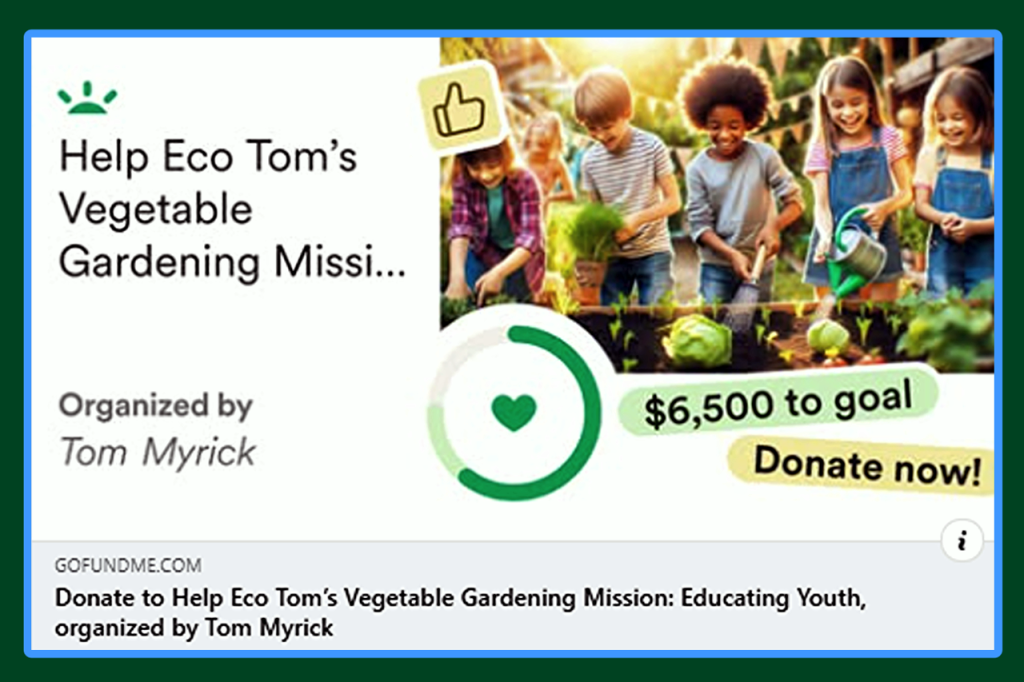
Eco Tom blends science with the heart of a gardener and encourages you to join him on his journey.
AI played a role in formulating this content, helping to refine and organize the information presented.
Eco Tom’s Sanctuary and UrbanGardening4u2Day.com represent a combined effort to promote and educate about sustainable gardening practices. The sanctuary acts as a practical demonstration site, while the website extends the reach through a variety of digital resources, blending real-world experiences with scientific knowledge.
Images: AI-Generated
Audio Deep Dive: AI-Generated based on user-provided sources and instructions
Eco Tom and Eco Tom’s Sanctuary is inspired by a real home garden and true-life experiences.
-The information provided on UrbanGardening4u2day.com is intended for general informational purposes only and is shared in good faith. We make no representations or warranties of any kind—whether express or implied—regarding the accuracy, adequacy, validity, reliability, availability, or completeness of any information on this website-
© Thomas Myrick 2025. All rights reserved

You must be logged in to post a comment.