Starting Seeds Indoors vs. Direct Sowing – A Comprehensive Guide’ for valuable insights!We are actively preparing for the upcoming growing season for the ‘Veggie-Bed’ at Eco Tom’s Sanctuary. This involves deciding whether to start seeds indoors or to sow them directly in the garden, based on our gardening goals, available space, and local climate conditions. Let’s dig into the advantages and disadvantages of starting seeds indoors compared to direct sowing:
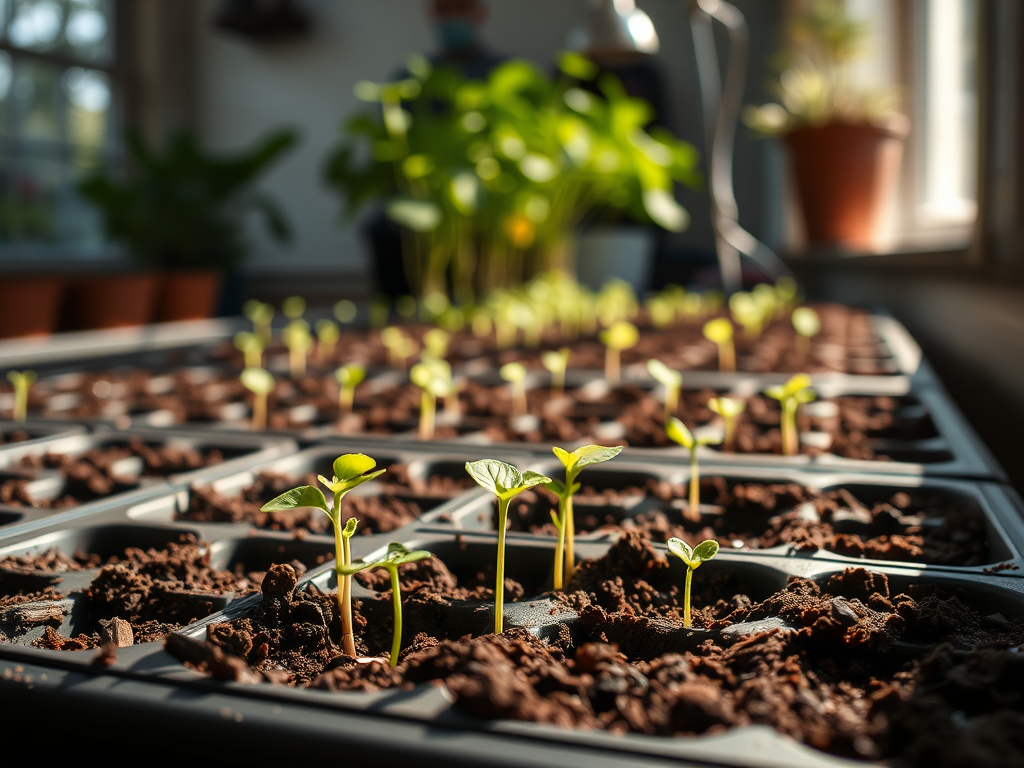
Starting Seeds Indoors
Pros:
• When we start seeds indoors, we have the advantage of controlling crucial factors such as temperature, humidity, light, and moisture levels. This allows for optimal conditions that can significantly enhance germination rates and lead to healthier seedlings.
• By starting seeds indoors several weeks before the last frost date, we can gain a head start on the growing season. Once the weather improves, we can transplant the seedlings into our garden, giving them a jump on the season and potentially leading to earlier harvests.
• Indoor seedlings are protected from common garden pests, such as aphids and snails, and are shielded from harsh environmental conditions like high winds, heavy rain, or extreme temperatures. This protection allows for stronger initial growth.
• Transplanting well-developed seedlings nurtured indoors can result in hardier plants. These seedlings typically have stronger root systems and are better equipped to cope with the stress of outdoor conditions.
Cons:
• One of the main drawbacks of starting seeds indoors is the risk of transplant shock. When seedlings are moved from a controlled indoor environment to the outside garden, they may experience stress, leading to stunted growth or even failure to thrive until they acclimate.
• Starting seeds indoors requires adequate space, which can be a challenge, especially for our limited room. We need containers, potting soil, grow lights, and possibly heat mats or fans, all of which involve added investment and maintenance.
• Indoor seedlings require regular care, including monitoring their moisture levels, adjusting lighting as they grow, and ensuring proper ventilation. This ongoing attention can be time-consuming, particularly for our busy schedule.
Direct Sowing
Pros:
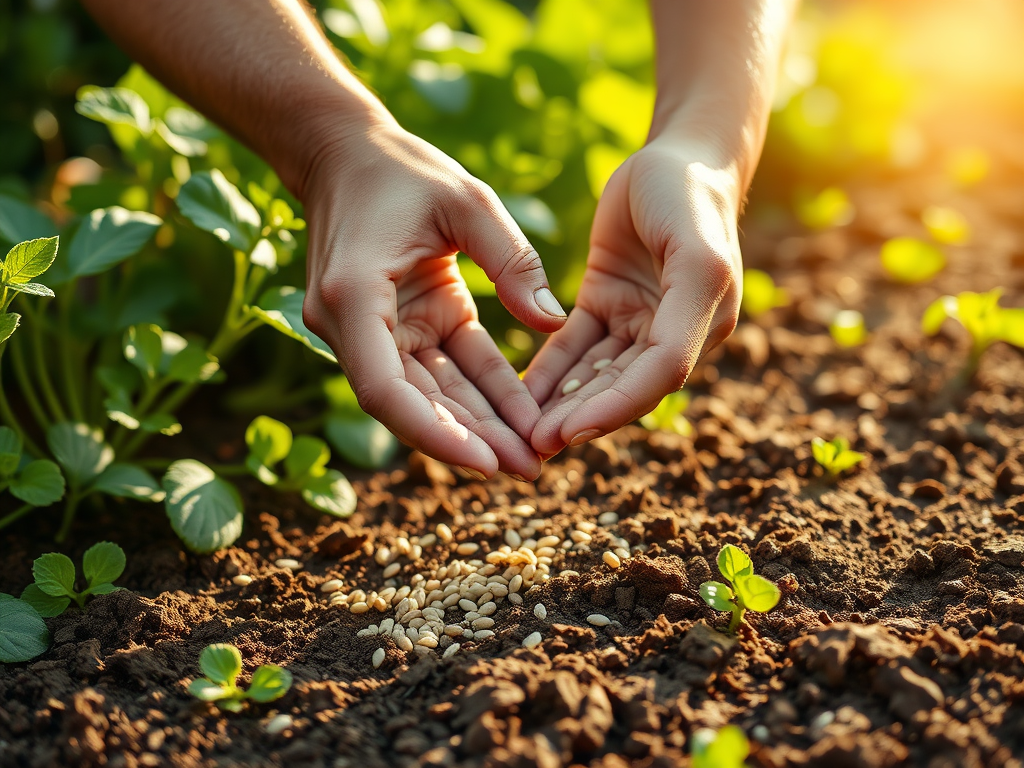
• Direct sowing seeds into the garden bed is a straightforward process that involves minimal equipment and preparation. We simply prepare the soil, create furrows or holes for the seeds, and plant them according to the instructions provided on the seed packets.
• One significant advantage of direct sowing is that seeds grow in their final location from the start. This eliminates the risk of transplant shock, allowing our plants to establish their root systems naturally without the stress of being moved.
• Seeds sown directly outdoors germinate and grow in our natural environment, benefiting from the local soil’s nutrients and acclimating to our local weather patterns. This can lead to stronger, hardier plants that are well-adapted to the specific conditions of our garden.
Cons:
• One of the main challenges of direct sowing is its dependence on outdoor weather conditions. Germination and seedling growth can be unpredictable, especially in late spring when temperatures can fluctuate or when unexpected frosts occur.
• Seeds and young seedlings that germinate directly in the garden are more vulnerable to various pests, including slugs, birds, and rodents. Additionally, they can be exposed to harsh environmental factors, such as heavy rains, droughts, or temperature extremes, which can impact their survival.
• Direct sowing limits our growing season. Depending on our weather, there might be a need to wait for the right weather conditions to plant seeds, which can result in a later harvest compared to starting seeds indoors. This can be particularly disadvantageous for vegetables that require longer growing periods to mature.
In short, both starting seeds indoors and planting them directly in the ground have their ups and downs. When we start seeds indoors, we can control things like temperature and light, which gives them a good boost for growing early. But it also means we have to keep an eye on them and deal with the stress of moving them outside later. On the flip side, direct sowing is pretty straightforward and lets the seeds grow in their final spot right away, which helps them get settled in without stress. However, it can be a bit risky since outdoor conditions can be unpredictable, and our seeds are more exposed to pests. In the end, the best approach really comes down to what we are trying to grow, our space, and our local weather. By thinking through what works best for us, we can set ourselves up for a successful gardening season.
Eco Tom blends science with the heart of a gardener and encourages you to join him on his journey.
AI played a role in formulating this content, helping to refine and organize the information presented.
Eco Tom’s Sanctuary and UrbanGardening4u2Day.com represent a combined effort to promote and educate about sustainable gardening practices. The sanctuary acts as a practical demonstration site, while the website extends the reach through a variety of digital resources, blending real-world experiences with scientific knowledge.
Images: AI-Generated
Audio Overview: AI-Generated based on user-provided sources and instructions
-The information provided on UrbanGardening4u2day.com is intended for general informational purposes only and is shared in good faith. We make no representations or warranties of any kind—whether express or implied—regarding the accuracy, adequacy, validity, reliability, availability, or completeness of any information on this website-
© Thomas Myrick 2025. All rights reserved

You must be logged in to post a comment.