Here at Eco Tom’s Sanctuary, we are preparing to start seeds indoors. Up first is Red Russian kale, a favorite high-yielding vegetable grown in the Veggie-Bed located at Eco Tom’s Sanctuary. Before we begin digging in on how to grow Red Russian Kale, let’s talk about its origins and popularity.
Red Russian kale is a variety of kale with a beautiful purple-red stem and gray-green, slightly frilly leaves. It’s a bit more tender and sweeter than other types of kale, making it a favorite for raw salads and dishes. Its origins trace back to Siberia and were brought to North America by Russian traders in the 19th century. Its hardy nature makes it well-suited for colder climates, which is likely why it thrived in Russia before being introduced elsewhere.

The rising popularity of Red Russian kale is a result of its outstanding nutritional value, culinary versatility, ease of cultivation, and appealing aesthetics, making it a favored ingredient among health-conscious consumers and home gardeners alike.
• Nutritional Benefits: Red Russian kale is highly regarded for its exceptional nutritional profile. It is an excellent source of essential vitamins, including vitamins A, C, and K, which play crucial roles in maintaining healthy vision, boosting the immune system, and promoting proper blood clotting. Additionally, this leafy green contains significant amounts of iron and calcium, vital for maintaining strong bones and healthy blood. The presence of antioxidants further enhances its health benefits by helping to combat oxidative stress and reduce inflammation in the body. As a result, many consider Red Russian kale a true “superfood.”
• Versatility in Cooking: One of the standout features of Red Russian kale is its versatility in the kitchen. Its mild and slightly sweet flavor profile allows it to complement a wide range of dishes. Whether enjoyed raw in salads, sautéed as a side dish, blended into smoothies for an extra nutrient boost, or incorporated into hearty soups, Red Russian kale can enhance both flavor and nutrition across various culinary creations.
• Gardening Ease: For home gardeners, Red Russian kale represents an easy-to-cultivate option. It grows well in various soil types and is particularly resilient to colder temperatures, enabling gardeners to extend their growing season. The plant’s hardiness allows it to thrive in cooler climates, making it an attractive choice for those looking to grow their own vegetables. Additionally, its attractive foliage can serve as an ornamental addition to home gardens.
• Aesthetic Appeal: Beyond its nutritional benefits and versatility, Red Russian kale also offers a striking visual appeal. The stunning deep green leaves with vibrant red stems create a beautiful contrast that can elevate the presentation of any meal. This eye-catching quality makes it a fantastic choice for food presentation, whether in gourmet dishes or casual family meals, appealing to those who appreciate the artistry of cooking.

Cultivating Red Russian kale can be an incredibly rewarding journey. With a touch of care and a keen eye for detail, you can reap a bountiful harvest. Here’s an inspiring guide to starting seeds indoors and successfully transplanting them into your garden:
- Timing: It is crucial to start your seeds at the right time. Aim to begin the planting process about 6 to 8 weeks before the last expected frost date in your region. This timing ensures that your seedlings will be strong enough to be transplanted outdoors once the danger of frost has passed. You can determine your area’s last frost date by checking local gardening resources, weather services, or agricultural extension offices, which often provide specific planting calendars tailored to your location.
- Containers: Selecting the right containers for starting seeds is important. Ideal options include seed trays, small pots, or biodegradable pots that allow for easy transplanting. Ensure that all containers have adequate drainage holes at the bottom. Good drainage is essential to prevent water from accumulating at the base, which can lead to seed rot or fungal diseases that could harm your seedlings.
- Soil: The choice of soil is vital for the successful germination of seeds. Use a high-quality seed starting mix designed specifically for this purpose. This mix should be lightweight, sterile, and well-draining, typically composed of materials like peat moss, vermiculite, and perlite. Avoid using regular garden soil, as it can harbor pests, diseases, and weed seeds that may hinder the growth of your seedlings.
- Planting: When planting seeds, follow package instructions for the specific depth required, about 1/4 inch deep. After placing the seeds in the soil, lightly cover them with the mix and gently press down to ensure good soil contact, which promotes germination. If you’re using seed trays, consider sowing 2-3 seeds per cell to allow for thinning later, ensuring you keep the strongest seedling from each group.
- Watering: Keeping the soil consistently moist is essential during the germination phase. However, be cautious not to overwater, as this can lead to waterlogging and fungal problems. Use a spray bottle or a fine mist to gently moisten the surface of the soil without disturbing the seeds. To enhance humidity, especially in a dry indoor environment, consider covering your containers with a humidity dome or plastic wrap, which helps retain moisture while ensuring adequate airflow.
- Lighting: Providing sufficient light is critical for strong seedling growth. Ideally, place your containers in a sunny spot, such as a south-facing window that receives direct sunlight. If natural light is insufficient, using grow lights is a great alternative. Position the grow lights 2-4 inches above the seedlings, adjusting as they grow to maintain this distance. Ensure that the seedlings receive about 12-16 hours of light each day to encourage healthy, robust growth.
- Temperature: Temperature plays a significant role in seed germination and seedling development. Aim to maintain a stable indoor temperature of around 60-70°F (15-21°C) for optimal results. If your indoor environment experiences significant temperature fluctuations, consider using a heat mat to provide consistent warmth. This can help speed up germination and improve seedling vigor.
By following these detailed guidelines for starting seeds indoors, you’ll create a favorable environment for your plants to thrive, setting the stage for a bountiful garden later in the season.

After we have taken care of our Red Russian seedlings and they have developed true leaves, we are ready to transplant them into the Veggie-Bed. Transplanting is a crucial step in ensuring the continued growth and health of our plants. Here’s a detailed guide to help you through the process:
• It’s important to choose the right moment for transplanting. Wait to transplant your hardened seedlings until after the last expected frost in your area. Keep a close eye on local weather forecasts for potential cold snaps that could harm your delicate plants. A good rule of thumb is to wait until nighttime temperatures consistently stay above 50°F (10°C).
• Start the hardening-off process about a week before your planned transplant date. This step is essential to acclimatize your seedlings to outdoor conditions, which can be significantly different from the controlled environment they grew up in. Begin by placing your seedlings outside in a shaded area for a couple of hours each day. Over the week, gradually increase their exposure to direct sunlight and wind, extending the time they spend each day outdoors. This helps reduce transplant shock and prepares them for life in the garden.
• Select a planting site that is sunny and well-draining. Red Russian seedlings thrive in areas that receive at least 6 hours of direct sunlight each day, so look for a spot that meets this requirement. Additionally, ensure the soil has good drainage to prevent waterlogging, which can harm the plants. Enrich the soil by mixing in compost or well-rotted manure, improving its fertility, and providing essential nutrients for the growth of your seedlings.
• When it comes to planting your seedlings, spacing is crucial for their growth and health. Space the seedlings 12 to 18 inches apart within rows and ensure that the rows are about 18 to 24 inches apart. This spacing allows for adequate air circulation, which helps prevent fungal diseases and encourages healthy growth. If you’re limited to space, you can plant them closer together but be diligent in monitoring their growth to avoid overcrowding, which can lead to competition for resources.
• Proper planting depth is vital for the development of healthy seedlings. When transplanting, place the seedlings in the ground at the same depth they were growing in their containers. Make sure the root ball is covered but avoid burying them too deeply as this can lead to stem rot and other issues. Maintaining the original planting depth helps ensure the seedlings continue to thrive.
• After transplanting, it’s important to give your seedlings a thorough watering to help establish their roots in their new environment. Ensure that the soil is evenly moist but avoid waterlogging, which can suffocate the roots. Moving forward, maintain consistent soil moisture, particularly during dry spells. It’s better to water deeply and less frequently, which encourages deep root growth and makes the plants more resilient to drought conditions.
• To maintain soil moisture and control weeds, apply a layer of organic mulch around your young plants. Options such as straw, grass clippings, or shredded leaves work well for this purpose. Mulching not only helps to retain moisture and reduce the frequency of watering but also regulates soil temperature and provides a habitat for beneficial organisms in the soil.
By thoughtfully following each of these steps, you’ll pave the way for a smooth transplanting process for your Red Russian kale seedlings. This careful attention will prepare the groundwork for your Red Russian kale seedlings to thrive and flourish, ensuring a healthy and fruitful harvest.

As you nurture your beautiful Red Russian Kale plants and watch them thrive, there are several key actions you can take to ensure they reach their full potential. Let’s explore the essential gardening practices that’ll ensure your kale flourishes and produces abundant leaves.
Maintenance
Kale is considered a heavy feeder due to its rapid growth and nutrient demands. To support optimal growth, it’s crucial to apply a balanced fertilizer that provides equal parts nitrogen, phosphorus, and potassium or to enrich your soil with well-decomposed compost. Start by mixing compost into the soil at planting time, and then side dress with additional compost every 3-4 weeks during the growing season. For a quicker nutrient boost, you can use a liquid fertilizer, following the recommended application rates on the package. Look for a formula specifically designed for leafy greens, as it will provide the necessary nutrients to promote lush leaf development.
Pest Control
Staying vigilant against pests is essential for maintaining healthy kale plants. Common pests that may invade include aphids, caterpillars, and cabbage worms, all of which can cause significant damage if left unchecked. Regularly inspect the leaves—especially the undersides—for signs of these pests. Hand-picking larger pests like caterpillars is effective, while organic insecticides such as neem oil or insecticidal soap can help control populations of smaller pests like aphids. To further bolster your garden’s defenses, consider planting companion plants such as marigolds, dill, and beneficial herbs that attract predatory insects, like ladybugs and lacewings, which naturally help manage pest populations.
Harvesting
Harvesting is a key part of enjoying your Red Russian Kale crop and promotes continued growth throughout the season. Begin harvesting the outer leaves once the plants reach a height of 8-10 inches, as this encourages the central stalk to produce new leaves. To harvest, use a clean pair of scissors to snip off the outer leaves at their base, ensuring not to disturb or damage the growing point located in the center of the plant. This method allows the inner leaves to mature and ensures a steady supply of fresh kale throughout the growing season. Regular harvesting not only benefits the plant but also encourages you to enjoy the delicious, nutrient-rich leaves in your meals!

So, to wrap it up, cultivating Red Russian kale isn’t just a satisfying gardening project, but it’s also an effortless method to enhance your dishes with its outstanding taste and health perks. As you embark on this gardening journey, remember that patience and care are key to nurturing your seedlings into robust plants. With the right timing, containers, soil, and attention to watering, you’ll be well on your way to cultivating a bountiful harvest. Whether enjoyed raw or cooked, the striking appearance and versatility of Red Russian kale will undoubtedly enhance your culinary creations, making it a delightful addition to your garden and kitchen alike. Happy gardening!
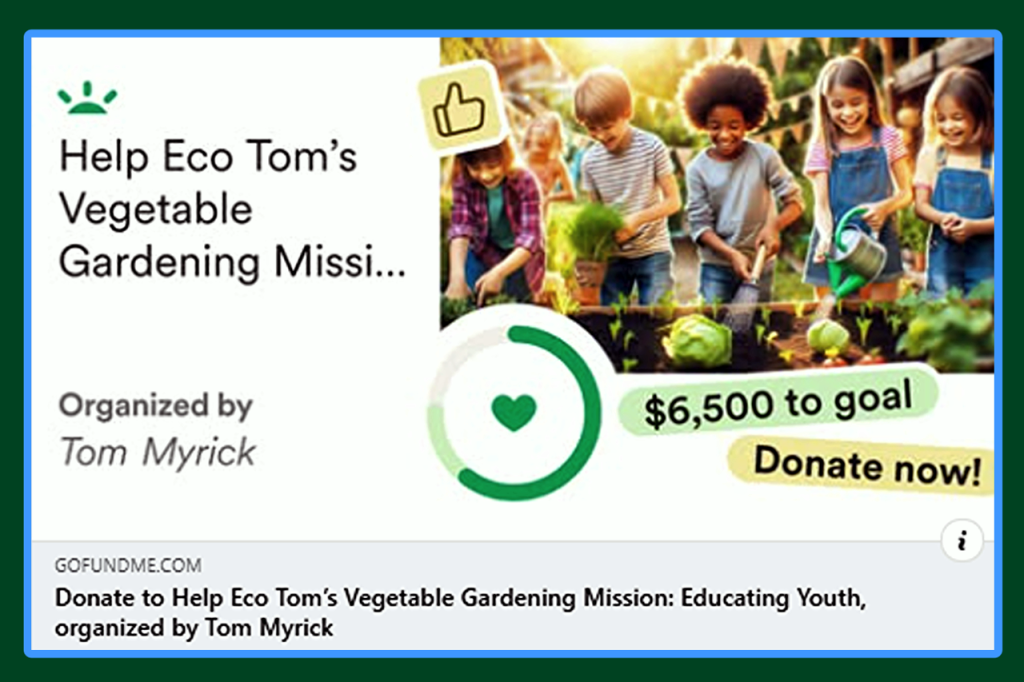
Eco Tom blends science with the heart of a gardener and encourages you to join him on his journey.
AI played a role in formulating this content, helping to refine and organize the information presented.
Eco Tom’s Sanctuary and UrbanGardening4u2Day.com represent a combined effort to promote and educate about sustainable gardening practices. The sanctuary acts as a practical demonstration site, while the website extends the reach through a variety of digital resources, blending real-world experiences with scientific knowledge.
Images: AI-Generated
Audio Overview: AI-Generated based on user-provided sources and instructions
-The information provided on UrbanGardening4u2day.com is intended for general informational purposes only and is shared in good faith. We make no representations or warranties of any kind—whether express or implied—regarding the accuracy, adequacy, validity, reliability, availability, or completeness of any information on this website-
© Thomas Myrick 2025. All rights reserved

You must be logged in to post a comment.