Seed germination is nature’s incredible process that turns a tiny seed into a vibrant seedling, influenced by several key factors. Water awakens the seed, while the right temperature encourages growth, and light guides the seedling toward the sun. Oxygen fuels the process, and soil pH can be the secret to healthy plants. High-quality seeds and pre-treatments also play vital roles in ensuring successful germination.
Now let’s dig into these key factors:
Water
Water is crucial for seed germination as it initiates the imbibition process, allowing seeds to swell and soften, which breaks dormancy. This absorption activates enzymes that metabolize stored nutrients, providing the energy needed for growth. Maintaining consistently moist soil is vital; if the soil is too dry, seeds may not germinate, while waterlogged conditions can damage seeds or promote diseases. Adequate moisture also aids in nutrient transport and respiration, making proper watering practices essential for successful germination and healthy plant development.
Temperature
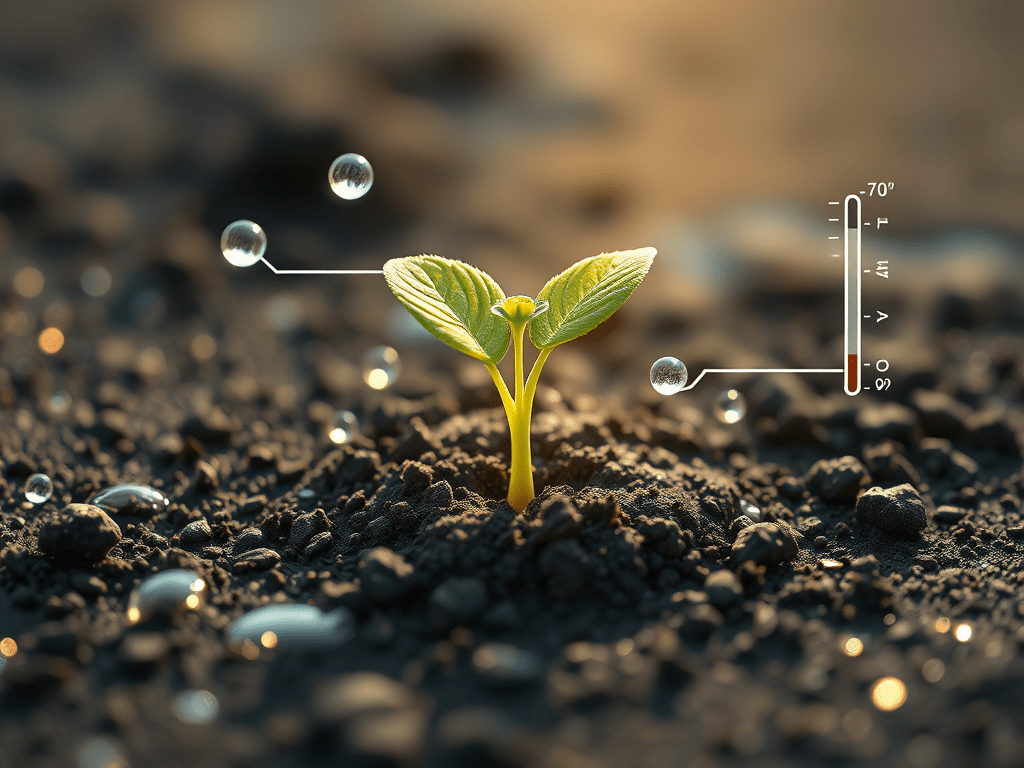
Different vegetables have specific temperature requirements for successful germination. Warm-season vegetables like tomatoes and peppers thrive at soil temperatures between 70-85°F (21-29°C), germinating best when planted after the last frost. In contrast, cool-season vegetables such as lettuce and spinach prefer cooler temperatures of 55-65°F (13-18°C) and can be sown early in spring or late summer, tolerating light frosts. Monitoring soil temperature, proper watering, and planting at the correct depth are essential for ensuring healthy germination and growth of both vegetable types.
Light
Some seeds have specific light requirements for germination—lettuce and celery seeds need exposure to light and should be sown on the soil surface, while beans and peas prefer to be buried in darkness, thriving best when planted a few inches deep. Understanding these needs is crucial for successful planting, as it enhances germination rates and leads to healthier plants. Always refer to specific guidelines for each type of seed to ensure optimal growth.
Oxygen
Seeds require oxygen for respiration during germination, relying on well-aerated soil to provide adequate airflow. Soil particles create air pockets that allow oxygen to reach the seeds, which is essential for metabolizing stored energy. However, compacted or waterlogged soil can significantly limit oxygen availability, leading to poor germination rates or seed decay. To promote optimal seed growth, it’s crucial to maintain a balance in soil structure and moisture through practices like aeration and proper drainage.

Soil pH
The pH level of soil significantly influences seed germination and overall plant health. Most vegetable seeds thrive in slightly acidic to neutral conditions, with an optimal pH range of 6.0 to 7.0, where nutrients are more accessible. When pH is too low or too high, nutrient availability can be disrupted, leading to poor germination and plant stress. Regularly testing the soil pH and making necessary adjustments, using amendments like sulfur to lower pH or lime to raise it, can greatly improve germination rates and promote healthy root development, resulting in a more productive garden.

Seed Quality
High-quality seeds that are fresh and stored properly—cool, dry, and out of direct sunlight—tend to have higher germination rates due to their maintained nutrient levels and vigor. In contrast, older seeds or those stored under poor conditions may suffer from reduced viability, losing their capacity to germinate effectively due to exposure to humidity and fluctuating temperatures, which lead to deterioration of their internal structures and energy reserves. To achieve the best results, gardeners and farmers should select high-quality seeds suitable for their planting conditions and consider testing germination viability before planting.
Pre-treatments
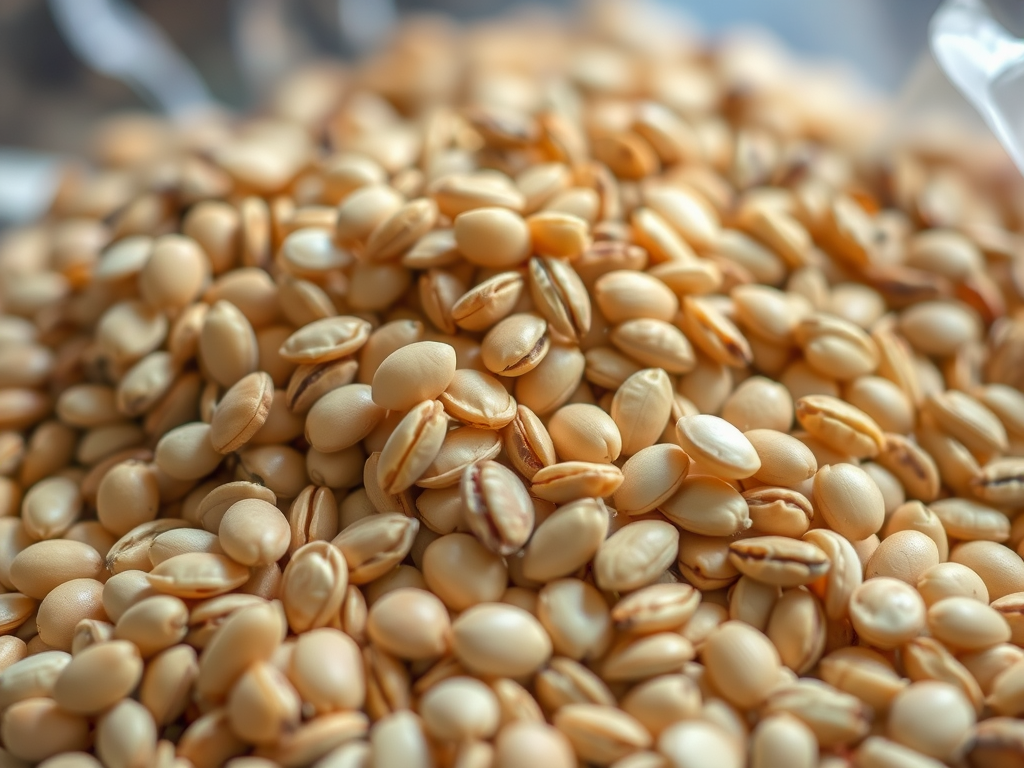
Some seeds require pre-treatments like scarification and stratification to promote successful germination. Scarification involves breaking or softening the seed coat to enhance water absorption, often using methods like sanding or soaking in hot water. Stratification mimics natural cold conditions by placing seeds in a moist medium and exposing them to cold temperatures for a specific period, which helps to break down inhibitors in the seeds. For example, parsley seeds germinate more effectively after undergoing stratification, making these treatments essential for improving germination rates and plant health.
Embracing these factors not only elevates your gardening skills but also paves the way for a bountiful harvest. So, whether you’re planting tomatoes, peppers, or cucumbers, let these elements guide you, and watch your garden thrive!
Eco Tom blends science with the heart of a gardener and encourages you to join him on his journey.
AI played a role in formulating this content, helping to refine and organize the information presented.
Eco Tom’s Sanctuary and UrbanGardening4u2Day.com represent a combined effort to promote and educate about sustainable gardening practices. The sanctuary acts as a practical demonstration site, while the website extends the reach through a variety of digital resources, blending real-world experiences with scientific knowledge.
Images: AI-Generated
Audio Overview: AI-Generated based on user-provided sources and instructions
-The information provided on UrbanGardening4u2day.com is intended for general informational purposes only and is shared in good faith. We make no representations or warranties of any kind—whether express or implied—regarding the accuracy, adequacy, validity, reliability, availability, or completeness of any information on this website-
© Thomas Myrick 2025. All rights reserved

You must be logged in to post a comment.