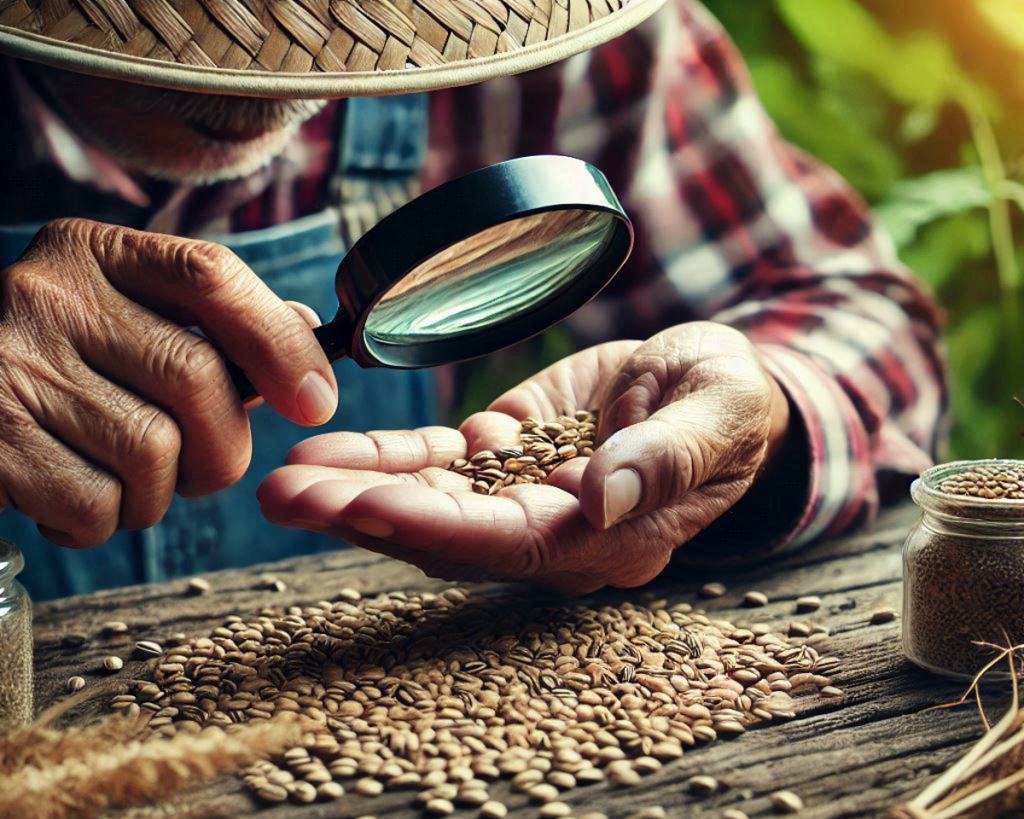
As we get ready for the thrilling new growing season, it’s the perfect time to dig into the incredible world of seeds. Let’s take a closer look at how we can classify these little wonders in greater detail.
So, what’s the scoop on seed classifications? Let’s get to the root of it. Seeds are incredible little powerhouses of life, each one brimming with potential. They can be classified in a variety of fascinating ways, showcasing their unique characteristics and traits. From vibrant colors to distinct shapes, each seed tells a story just waiting to unfold!
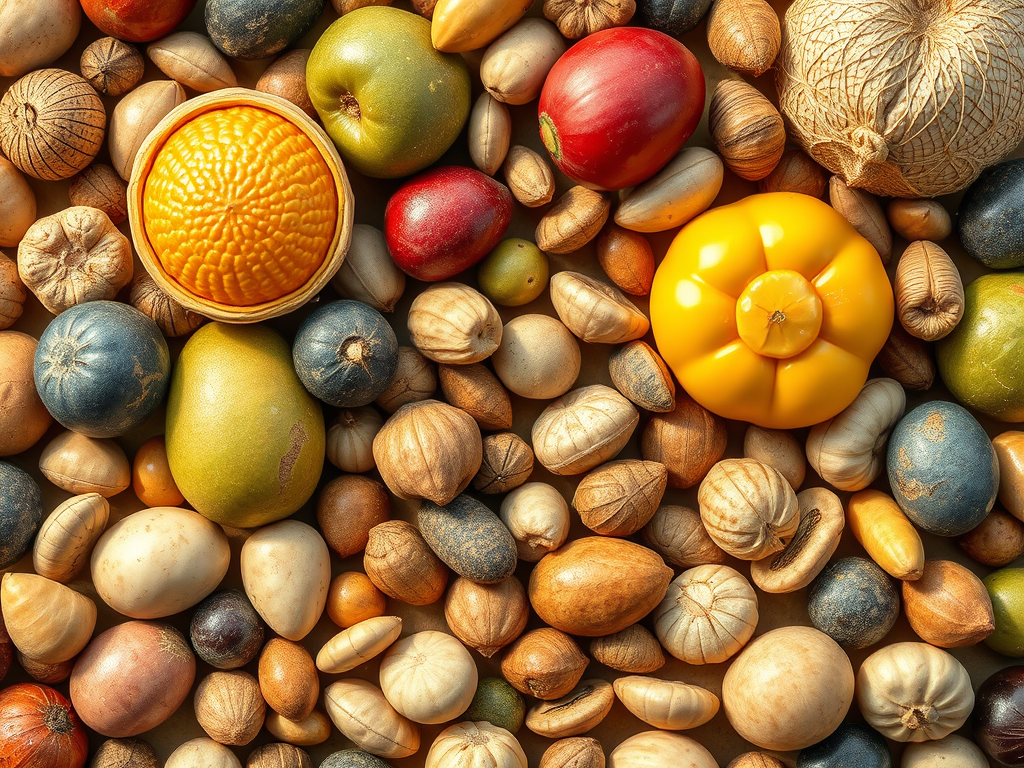
Here are some of the bases for seed classifications:
Based on Origin
• Monocotyledons (Monocots): These seeds have a single seed leaf, also known as a cotyledon. They typically have parallel leaf venation and flower parts in multiples of three. Common examples include grains such as corn, wheat, and rice, which are significant staples in diets worldwide. Their root systems usually consist of fibrous roots, which help in soil stabilization and nutrient uptake.
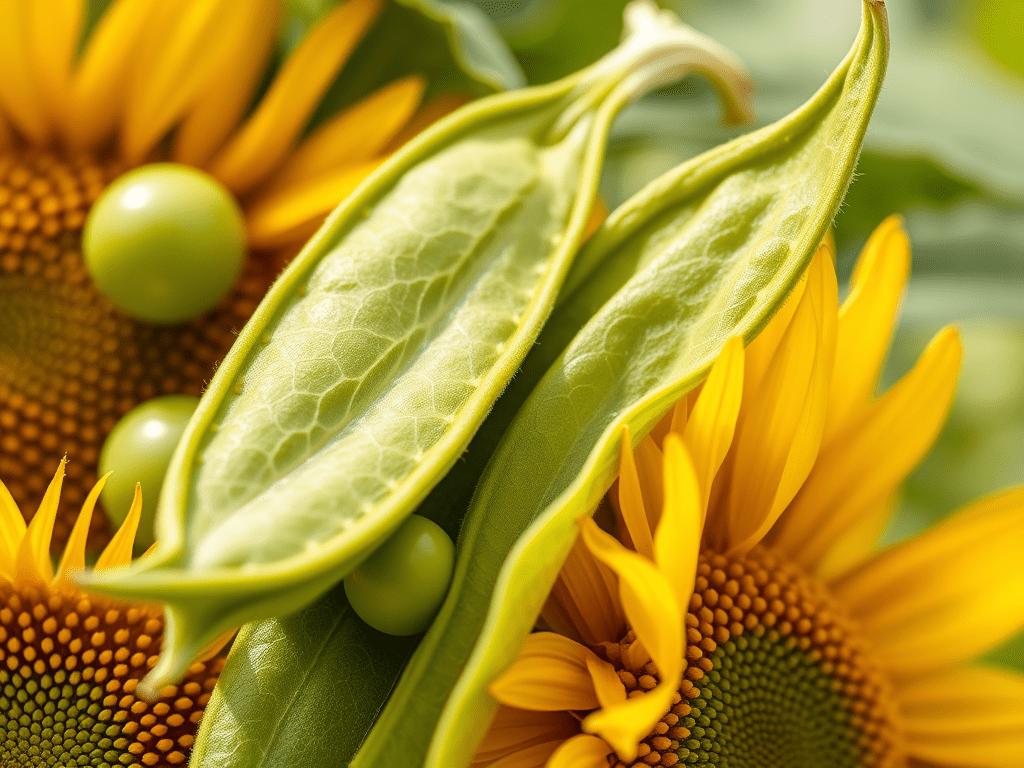
• Dicotyledons (Dicots): These seeds come with two seed leaves. They often exhibit broad leaves with net-like venation and typically have flower parts in multiples of four or five. Examples include beans, peas, and sunflowers, which are not only important for human consumption but also play roles in ecosystems as sources of food for various animal species. Dicots usually have taproot systems, which can access deeper moisture and nutrients.
Based on Seed Coat
• Orthodox Seeds: These seeds are resilient and can withstand drying and freezing during storage, which makes them easier to preserve for long periods. Examples like wheat and rice have adaptations that help them maintain viability over time even in adverse conditions. Orthodox seeds typically undergo desiccation tolerance.
• Recalcitrant Seeds: In contrast, these seeds cannot tolerate drying or freezing. They tend to have a shorter lifespan and must be planted promptly after harvest. Cocoa, coffee, and avocado are prime examples of recalcitrant seeds. These seeds often have higher water content and require specific conditions for germination that mimic their natural habitats.

Based on Storage
• Albuminous (Endospermic) Seeds: These seeds retain part of the endosperm, which is a source of nourishment for the developing embryo. This is especially beneficial during early growth stages. Maize and barley are classic examples, and their endosperm serves as a starchy energy reserve.
• Exalbuminous (Non-Endospermic) Seeds: These seeds utilize the endosperm fully before germination, with the embryo consuming all the stored nutrients. Examples like beans and peas showcase how the seed structure supports efficient nutrient allocation during germination, allowing the plant to thrive once it breaks dormancy.
Based on the Mode of Dispersal
• Autochorous: These seeds disperse through mechanisms generated by the plant itself. They often have adaptations to burst open and release seeds, such as in the case of the touch-me-not plant, which snaps open when touched.
• Anemochorous: Seed dispersal via wind is a fascinating adaptation many plants have developed. Dandelions, with their light, fluffy seeds, exemplify this method, allowing them to travel long distances on breezy days.
• Hydrochory: Some seeds are adapted to travel by water, enabling them to float to new locations. Coconuts are well-known for their ability to germinate after being carried by ocean currents, which helps them colonize distant coastal areas.
• Zoochorous: Animal dispersal is crucial for many seeds. Burdock seeds attach to the fur or feathers of animals, which carry them away to new environments. This method increases genetic diversity and helps plants colonize new areas.

Based on Dormancy
• Dormant Seeds: These seeds exhibit a period of inactivity before they germinate. This dormancy can be a survival strategy that ensures germination occurs under favorable conditions. Many forest trees have dormant seeds that thrive following specific environmental triggers, like temperature or moisture variations.
• Non-Dormant Seeds: In contrast, these seeds are primed to sprout immediately when conditions are favorable, as seen with quick-growing crops like lettuce and radishes. Their rapid germination is essential for short growing seasons and can lead to faster agricultural yields
So, as we finish our looking at the many ways to classify seeds, it’s clear that these remarkable structures are far more than just tiny vessels of life; they embody the diversity and resilience of the plant kingdom. Understanding the different categories—from their origin and storage methods to their modes of dispersal and dormancy strategies—enriches our appreciation for the vital role seeds play in our ecosystems and agriculture. As we embark on this new growing season, let’s embrace the potential of each seed, nurturing them with care and knowledge to witness their transformation into the thriving plants that sustain and inspire us. Happy planting!

Eco Tom blends science with the heart of a gardener and encourages you to join him on his journey.
AI played a role in formulating this content, helping to refine and organize the information presented.
Eco Tom’s Sanctuary and UrbanGardening4u2Day.com represent a combined effort to promote and educate about sustainable gardening practices. The sanctuary acts as a practical demonstration site, while the website extends the reach through a variety of digital resources, blending real-world experiences with scientific knowledge.
Images: AI-Generated
Audio Overview: AI-Generated based on user-provided sources and instructions
-The information provided on UrbanGardening4u2day.com is intended for general informational purposes only and is shared in good faith. We make no representations or warranties of any kind—whether express or implied—regarding the accuracy, adequacy, validity, reliability, availability, or completeness of any information on this website-
© Thomas Myrick 2025. All rights reserved

You must be logged in to post a comment.