
With winter upon us at Eco Tom’s Sanctuary, it’s time to prepare our organic vegetable garden, the Veggie-Bed, to ensure healthy growth and a bountiful harvest in the spring.
Here’s a detailed guide that we will follow.
We begin by thoroughly cleaning our garden beds. We remove dead plants, weeds, and debris, such as fallen leaves and branches. This step is essential as it helps prevent diseases and pests from overwintering in our garden. We also dispose of any infected plant material away from our garden to avoid spreading diseases.

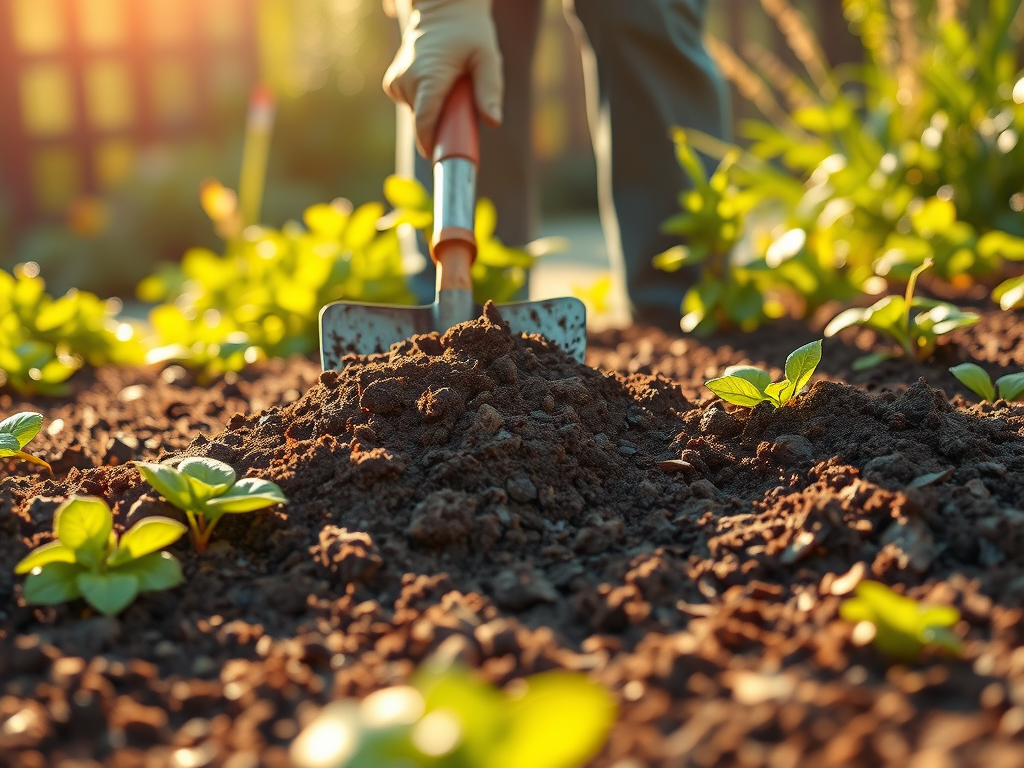
After cleaning, we enrich our soil by spreading a 1 to 2-inch layer of well-decomposed compost over our garden beds. Compost is rich in nutrients, which are vital for soil fertility. It also improves soil structure by promoting aeration and water retention. We make our own with kitchen scraps and yard waste.
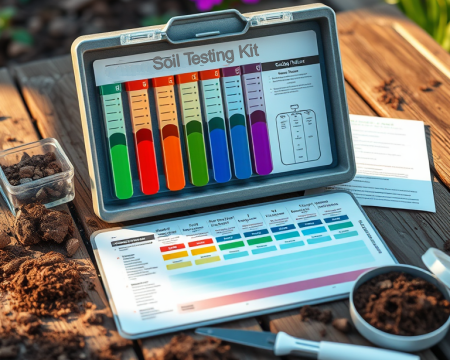
To optimize the health of our soil, we conduct a soil test. This will give us valuable information on our soil’s pH levels and nutrient deficiencies. Many extension services offer testing kits. Based on the results, we will amend our soil with organic materials such as lime (to raise pH), sulfur (to lower pH), or specific amendments contributing to missing nutrients.
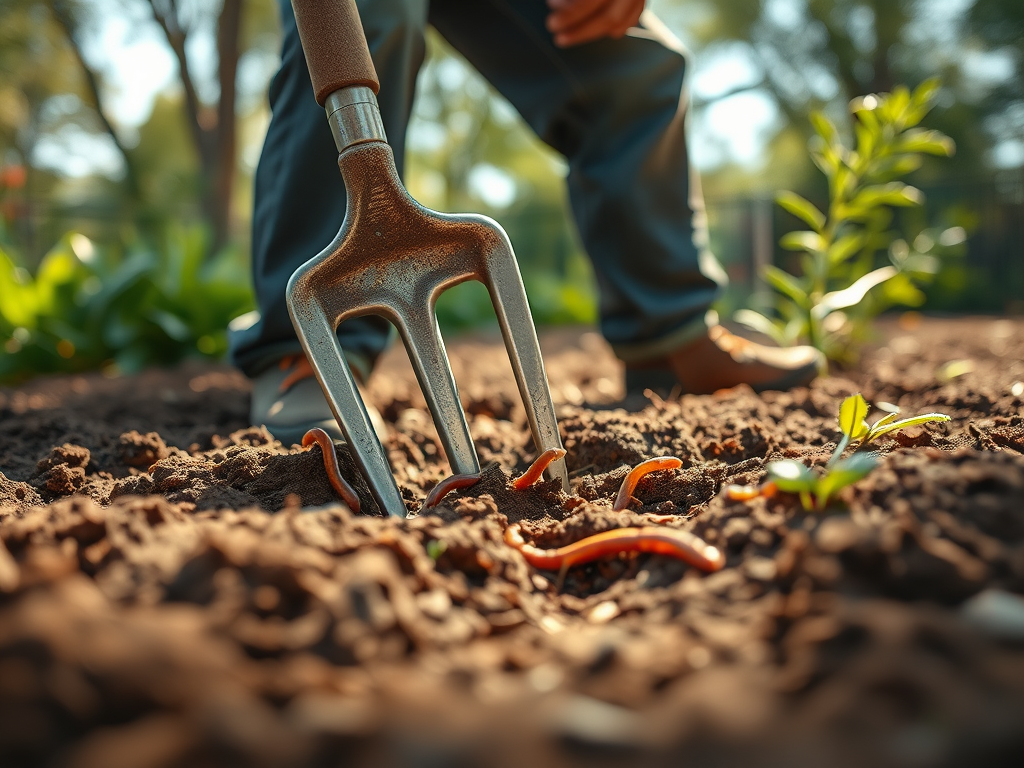
We lightly cultivate the soil to improve aeration and drainage. We use a garden fork but avoid deep tilling, as this can disrupt the soil structure and harm beneficial organisms like earthworms. We break up compacted layers while retaining the upper soil structure.
We Add a thick layer (about 3-4 inches) of organic mulch to protect our soil during winter. Mulch acts as an insulator that helps maintain soil temperature, retains moisture, and inhibits weed growth.

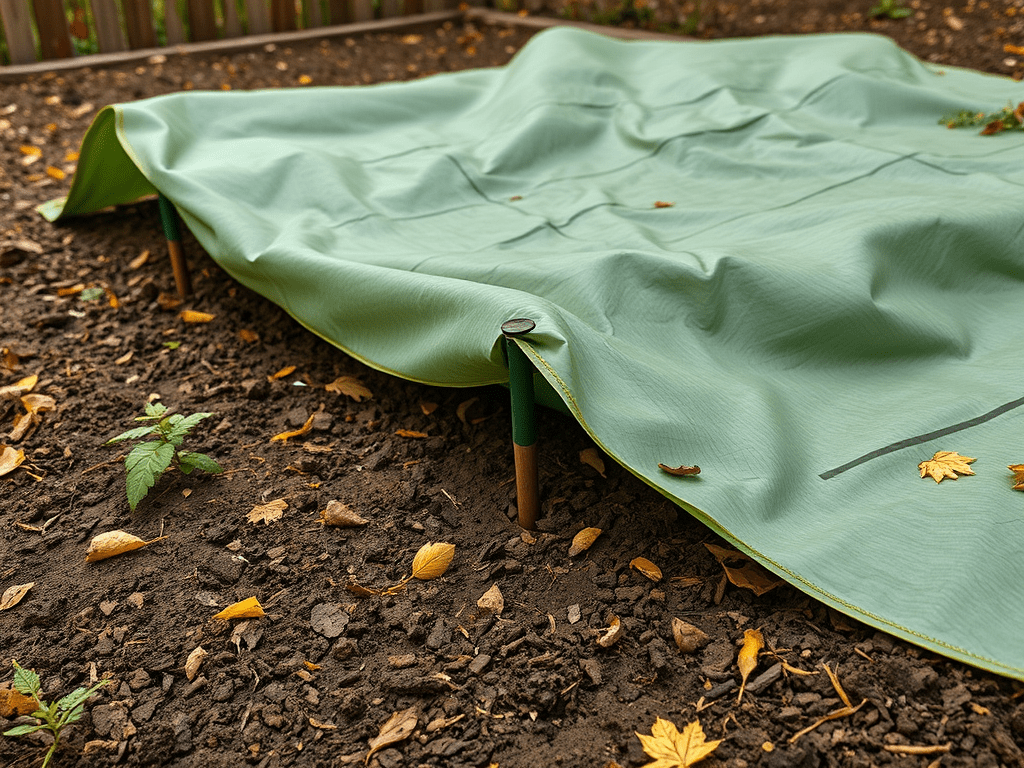
This year, we chose not to plant cover crops, so we will cover the soil with landscape fabric to shield it from heavy rains that can cause erosion. We will ensure that the covers are securely anchored to avoid them blowing away in the wind.
By implementing these detailed steps, we create a robust environment for our soil to thrive over winter, setting the stage for a healthy and productive organic vegetable garden in the spring!
At Urban Gardening 4u2day, we are passionate about promoting eco-friendly and sustainable vegetable gardening practices. Our mission is to encourage individuals and communities to grow their own produce in environmentally conscious ways.
Images: AI-Generated
Prompt/edited: Tom Myrick
Written by: Tom Myrick
About the digital creator: Tom Myrick
Be friends with Tom on Facebook: Tom Myrick
-The information provided on UrbanGardening4u2day.com is intended for general informational purposes only and is shared in good faith. We make no representations or warranties of any kind—whether express or implied—regarding the accuracy, adequacy, validity, reliability, availability, or completeness of any information on this website-

You must be logged in to post a comment.