
Sustainable food systems and agriculture are crucial for addressing global challenges like food security, climate change, and biodiversity loss. Here at Eco Tom’s Sanctuary, we are digging into some key trends and developments in this area.
Let’s begin with the definition of sustainable food systems. A sustainable food system delivers food security and nutrition for all while preserving the economic, social, and environmental bases for generating food security and nutrition for future generations.
Sustainable food systems involve several key aspects, such as:
• Fostering environmental health by minimizing negative environmental impacts, such as reducing greenhouse gas emissions, conserving water, and soil, promoting biodiversity, and reducing waste and pollution, also creates resilient food systems that can withstand and recover from disruptions like climate change, economic shocks, and other crises.
• Ensuring the economic viability of food production and distribution by making them sustainable for farmers, producers, and communities. This includes fair wages, ethical trade practices, and strengthening local economies.
• To guarantee that everyone has fair access to nutritious and affordable food by supporting community well-being and striving for food justice. This means everyone should have access to sufficient, safe, and nutritious food that meets their dietary needs and preferences for an active and healthy life.
A sustainable food system aims to balance the needs of people, the planet, and prosperity, ensuring that we can meet our current food needs without compromising the ability of future generations to meet theirs.

Now, with this understanding of sustainable food systems, we will look at their trends in agriculture:
• Farmers are increasingly implementing climate-smart agriculture practices that decrease greenhouse gas emissions, enhance soil health, and boost resilience to climate change. These practices encompass techniques such as cover cropping, agroforestry, and precision farming.
• Technological advancements are playing a significant role in sustainable agriculture. Furthermore, innovations like drones, sensors, and AI are helping farmers monitor crops, optimize resource use, and reduce waste.
• Sustainable aquaculture is being developed to reduce environmental impacts while ensuring the health of aquatic ecosystems. A key strategy is integrated multi-trophic aquaculture (IMTA), which involves cultivating multiple species from different trophic levels in a single system. In IMTA, fish waste nourishes shellfish and seaweed, improving water quality and biodiversity. By mimicking natural ecosystems, this approach promotes ecological balance. It reduces reliance on chemical inputs, contributing to the long-term health of our oceans and supporting coastal communities.
• Efforts to reduce food waste are gaining momentum through initiatives to improve supply chain efficiency and educate consumers on how to minimize waste at home. There is an increasing focus on local and regional food systems, which help decrease the environmental impact of food production while supporting local economies. Programs such as the U.S.’s Local Agriculture Market Program (LAMP) encourage direct sales to consumers and promote regional markets.
• Governments and organizations are implementing policies to support sustainable agriculture, and there’s an increasing focus on Environmental, Social, and Governance (ESG) criteria in agriculture. Companies are held accountable for their environmental impact and social responsibility, leading to more sustainable practices. The Food and Agriculture Organization (FAO) is a specialized agency of the United Nations that leads international efforts to defeat hunger and improve nutrition and food security. Its headquarters is in Rome, Italy, and operates in over 130 countries. The FAO helps governments and development agencies coordinate their activities to improve agriculture, forestry, fisheries, and land and water resources.
These trends highlight the multifaceted approach needed to create a sustainable food system that can support a growing global population while protecting the planet.

So, what can we do as consumers to support a sustainable food system?
Plant-based options can significantly support sustainable food systems by reducing our carbon footprint. Some particularly effective choices are:
• Choosing legumes and pulses that are nutritious and have a low carbon footprint. Cultivating legumes and pulses requires significantly fewer resources—such as land and water—and produces lower greenhouse gas emissions. Lentils, chickpeas, and beans are rich in protein, fiber, vitamins, and minerals, making them an excellent choice for nutrition. By incorporating these foods into your meals, you can enjoy delicious and healthy dishes while reducing environmental impact.
• Quinoa, barley, and oats are highly nutritious grains that offer numerous health benefits. These foods are rich in essential vitamins, minerals, and fiber, making them excellent choices for a balanced diet. Additionally, they are environmentally friendly because they require fewer resources, such as water and arable land, to cultivate compared to many other crops. Incorporating these grains into your meals can enhance your nutritional intake and support sustainable agricultural practices.
• Almonds, walnuts, flaxseeds, and chia seeds are excellent sources of protein and healthy fats with a lower environmental impact. They are not only rich in protein and healthy fats, but they also boast numerous health benefits. Almonds are high in vitamin E and magnesium, making them nutritious snacks promoting heart health. Walnuts are a great source of omega-3 fatty acids essential for brain health and may help reduce inflammation. Flaxseeds are packed with dietary fiber and antioxidants and are known to support digestive health and lower cholesterol levels. Chia seeds are high in omega-3s, fiber, and protein, making them an excellent addition to smoothies, yogurt, or baked goods. Incorporating these nuts and seeds into your diet can help you improve your nutritional intake and make a meaningful impact on the environment. By choosing plant-based foods, you’re contributing to a more sustainable future.
• Incorporating a diverse range of seasonal vegetables into your diet not only enhances your meals but also significantly reduces transportation emissions. When you choose locally grown produce, you contribute to a more sustainable food system by lowering the carbon footprint associated with transporting food over long distances. Additionally, supporting local farmers helps strengthen the community. It promotes the agricultural economy, ensuring fresh, nutritious vegetables are readily available.
• Choose locally grown and seasonal fruits to minimize the carbon footprint. Doing so reduces the environmental impact associated with long-distance transportation of goods, which often involves significant fossil fuel consumption and greenhouse gas emissions. Additionally, purchasing fruits that are in season supports local farmers and economies and ensures fresher, more flavorful produce. For example, you might enjoy berries and melons during summer, while fall brings apples and pears. By aligning your fruit choices with the local growing seasons, you contribute to a more sustainable food system and help reduce overall carbon emissions.

As we cultivate our final thoughts, embracing sustainable food systems is essential for addressing the pressing global challenges of our time. By understanding the key principles of sustainability in agriculture, consumers can make informed choices that align with environmental health, economic viability, and social equity. The shift towards practices like climate-smart agriculture, sustainable aquaculture, and reducing food waste benefits our planet, strengthens local economies, and promotes community well-being. We can contribute significantly by opting for plant-based options and integrating more legumes, pulses, and nutritious grains into our diets. Each choice can ripple through the food system, fostering a more resilient and equitable approach to food production. By supporting these initiatives and making conscious decisions, we can create a healthier, more sustainable future for ourselves and future generations. Let’s work hand in hand to protect our planet and ensure food security for all.
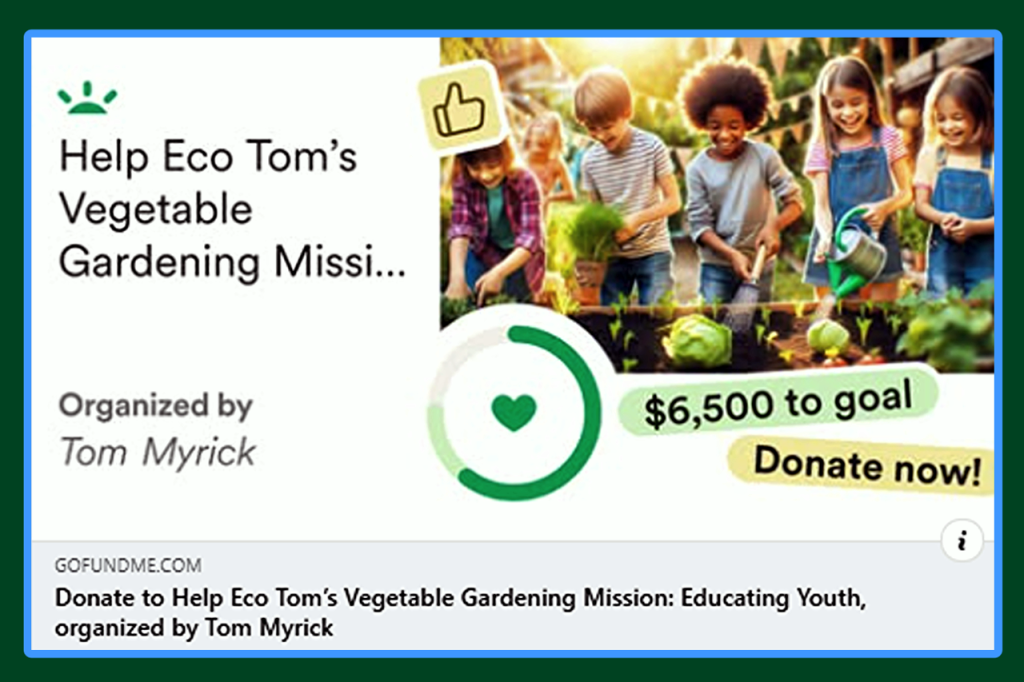
Eco Tom blends science with the heart of a gardener and encourages you to join him on his journey.
AI played a role in formulating this content, helping to refine and organize the information presented.
Eco Tom’s Sanctuary and UrbanGardening4u2Day.com represent a combined effort to promote and educate about sustainable gardening practices. The sanctuary acts as a practical demonstration site, while the website extends the reach through a variety of digital resources, blending real-world experiences with scientific knowledge.
Images: AI-Generated
Audio Deep Dive: AI-Generated based on user-provided sources and instructions
Eco Tom and Eco Tom’s Sanctuary is inspired by a real home garden and true-life experiences.
-The information provided on UrbanGardening4u2day.com is intended for general informational purposes only and is shared in good faith. We make no representations or warranties of any kind—whether express or implied—regarding the accuracy, adequacy, validity, reliability, availability, or completeness of any information on this website-
© Thomas Myrick 2025. All rights reserved

You must be logged in to post a comment.