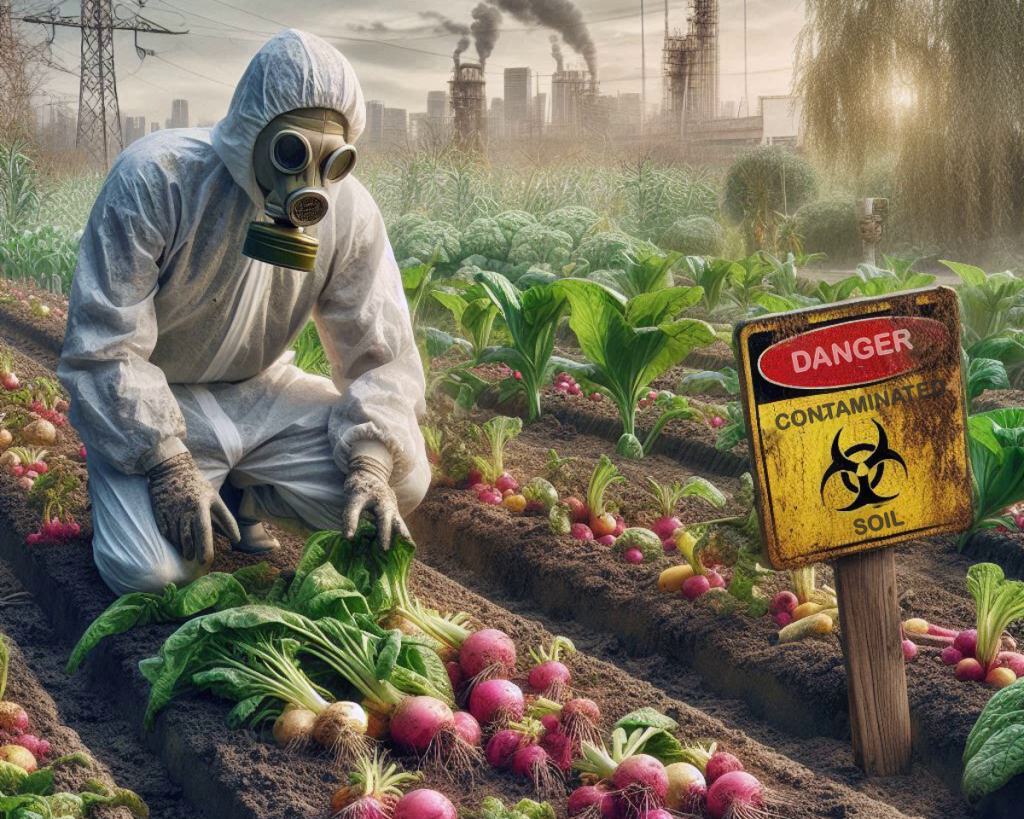
With suburban areas expanding, a trend known as suburbanization has been ongoing for several decades. After World War II, there was a significant migration from urban centers to suburban areas, which continues today. Within this suburban expansion, suburban vegetable gardening is on the rise too, as more people turn to gardening as a hobby and a way to ensure a steady supply of fresh produce.
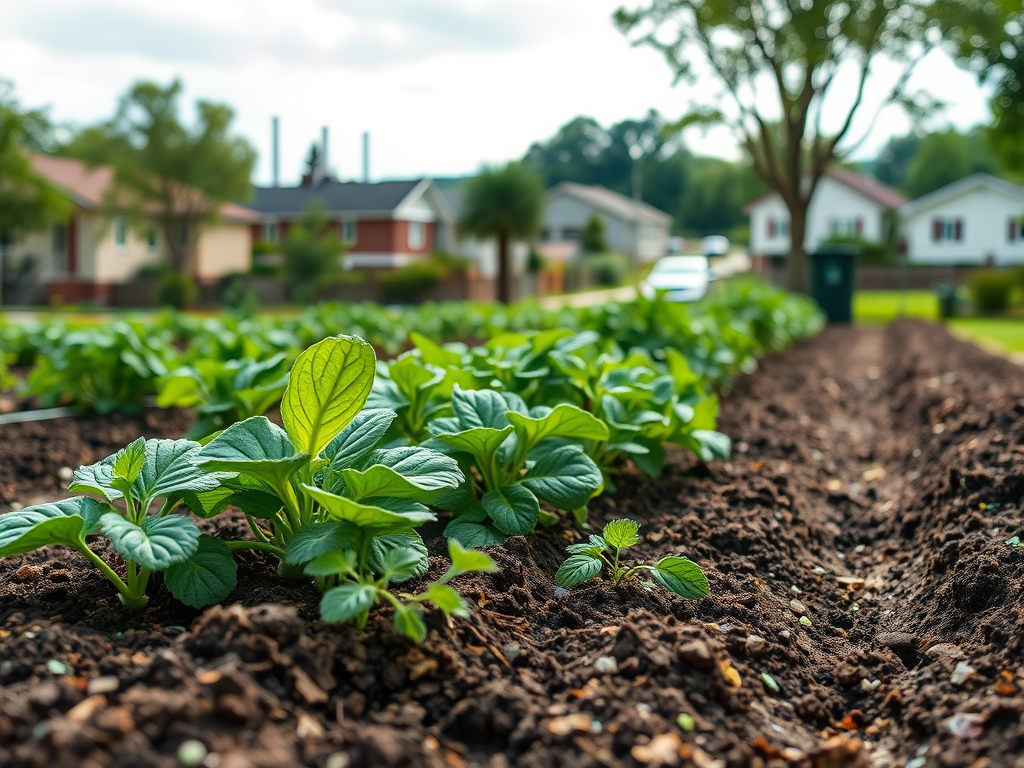
But all of this doesn’t come without some risk—soil contamination. Due to various factors, the risk of contaminated soil in suburban areas can be significant. Some suburban areas are often developed on land previously used for industrial, commercial, or agricultural purposes. This history can leave behind contaminants like heavy metals, pesticides, and petroleum products. New construction and infrastructure projects can disturb existing soil, potentially releasing environmental pollutants.
Suburban development areas’ proximity to highways and industrial areas can lead to soil contamination from vehicle emissions and industrial runoff. Events like floods and hurricanes can spread contaminants over a wider area. Furthermore, illegal dumping or improper disposal of household chemicals and waste can lead to soil contamination.
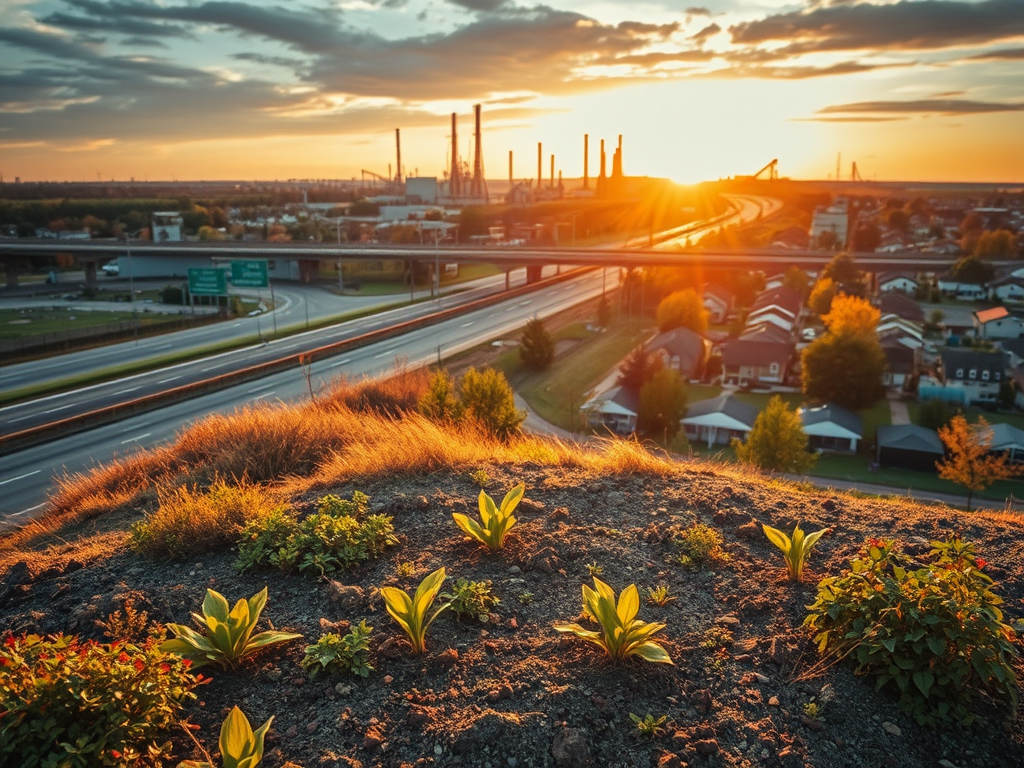
It’s difficult to pinpoint an exact percentage of contaminated soil in suburban America, as contamination can vary widely based on location, historical land use, and local industrial activities. However, the U.S. Environmental Protection Agency (EPA) oversees thousands of contaminated sites nationwide, including suburban areas. These sites often involve contamination from heavy metals, hydrocarbons, industrial chemicals, pesticides, and motor oil residues. These contaminants can harm human health, plant growth, and the environment. It’s essential to be aware of potential sources of contamination and take steps to mitigate them. If you’re concerned about soil contamination in your specific area, having the soil evaluated by a professional is a good idea if you’re planning to grow food. This can provide a clearer picture of any potential risks.
Soil contaminants can enter vegetables through several pathways. One such way is by root uptake. Plants absorb water and nutrients from the soil through their roots. If the soil is contaminated, these contaminants can be taken up along with the water and nutrients. Some pollutants can be deposited on the surface of leaves and stems through dust, rain, or irrigation water. Plants can absorb these contaminants through their leaves. Contaminants can be present on the surface of vegetables due to direct contact with contaminated soil or water. Contaminated water from nearby areas can flow over the soil and be absorbed by the plants. These pathways highlight the importance of ensuring that soil and water used for gardening are free from harmful contaminants.
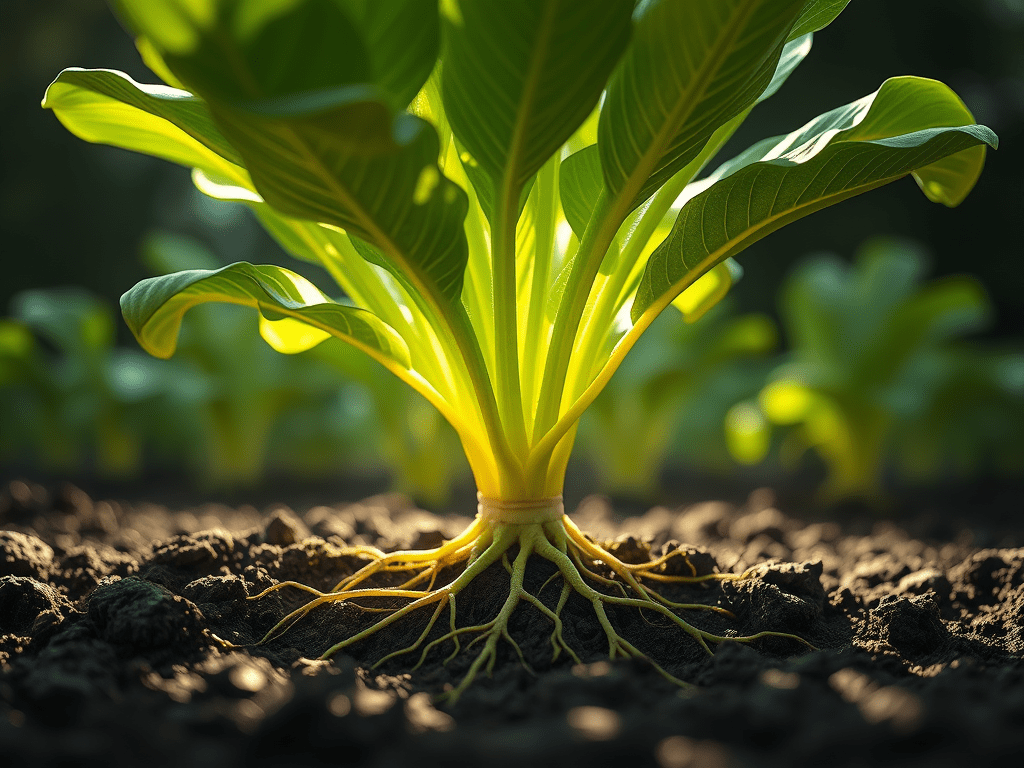
There are several signs that your vegetable garden soil might be contaminated. Plants may show stunted growth, discoloration, or even die off unexpectedly. Leaves might have spots, deformities, or unusual colors. Contaminated soil can sometimes have a strange or unpleasant smell. You might see residues, oily patches, or other substances on the soil surface. Areas where plants cannot thrive and die off, leaving bare patches. If you notice any of these signs, it might be a good idea to test your soil for contaminants.
If you discover soil contamination in your vegetable garden, there are several steps you can take to address it:
• First, get your soil tested to identify the specific contaminants and their concentrations. This will help you determine the best remediation approach.
• If contamination levels are high, it might be necessary to remove the contaminated soil and replace it with clean soil.
• Mixing large quantities of compost or organic matter into the soil can help dilute contaminants and improve soil health.
• Planting in raised beds with clean soil can prevent plants from coming into contact with contaminated soil.
• Some plants are less likely to absorb contaminants than others. Root vegetables like carrots and potatoes are more likely to take up contaminants than leafy greens.
• Try using specific plants known to absorb contaminants from the soil. These plants can then be safely disposed of.
• Use gloves and wash your hands thoroughly after working in the garden to minimize exposure to contaminants.
• If contamination is severe, it might be best to consult with environmental experts or local extension services for professional advice and assistance.
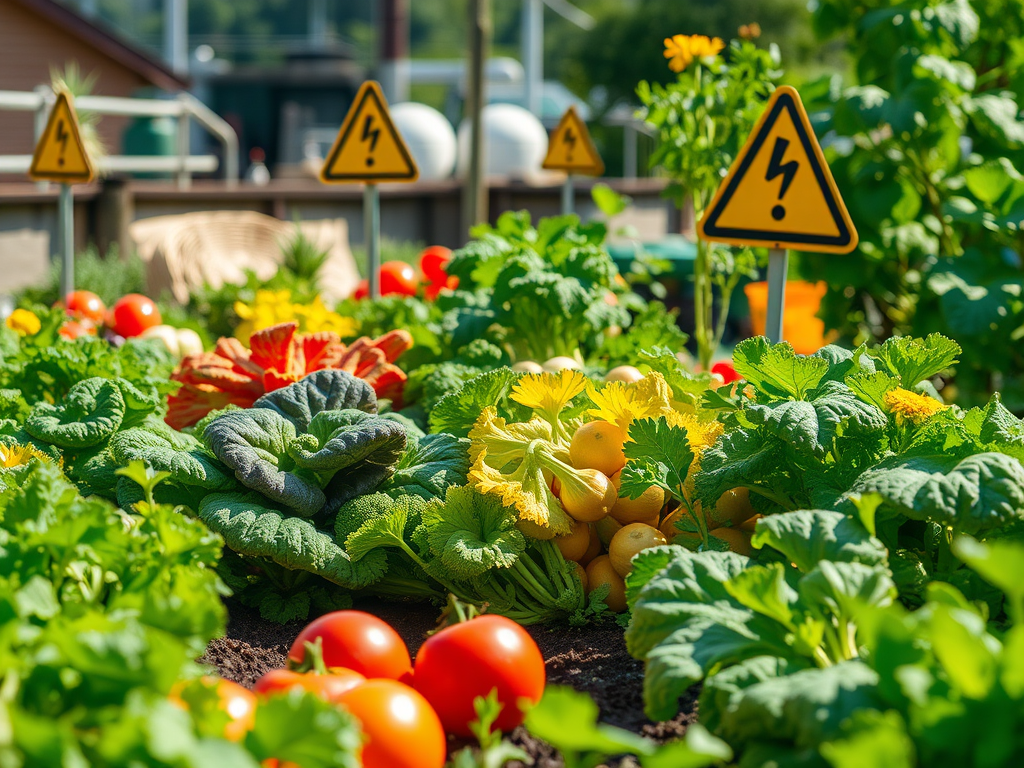
To pull this all together, as suburban areas continue to grow and gardening becomes an increasingly popular hobby, the importance of addressing soil contamination cannot be overstated. Awareness of the risks associated with contaminated soil is crucial for the health and safety of those who wish to grow their own food. By understanding the potential sources of contamination, recognizing the signs of affected soil, and taking proactive steps to assess and remediate any issues, gardeners can enjoy the benefits of fresh produce while minimizing health risks. Engaging with professionals and employing safe gardening practices are essential strategies in ensuring that suburban vegetable gardens remain a source of nourishment and enjoyment. With the right precautions, it is possible to cultivate a thriving garden even in an environment where contamination is a concern.
So, as suburbanization expands and vegetable gardening flourishes, let us harness our knowledge to cultivate vibrant gardens that thrive, and relish the rewarding experience of growing our own food.
At Urban Gardening 4u2day, we are passionate about promoting eco-friendly and sustainable vegetable gardening practices. Our mission is to encourage individuals and communities to grow their own produce in environmentally conscious ways.
Images: AI-Generated
Prompt/edited: Tom Myrick
Written by: Tom Myrick
About the digital creator: Tom Myrick
Be friends with Tom on Facebook: Tom Myrick
-The information provided on UrbanGardening4u2day.com is intended for general informational purposes only and is shared in good faith. We make no representations or warranties of any kind—whether express or implied—regarding the accuracy, adequacy, validity, reliability, availability, or completeness of any information on this website-

You must be logged in to post a comment.