
Vegetable gardening in the United States is experiencing a resurgence. The COVID-19 pandemic played a significant role in this revival, with 18.3 million new gardeners emerging during that time. This trend has continued, with many people, especially younger generations like millennials and Generation Z, taking up gardening. 55% of American households now engage in some form of gardening, and 35% of U.S. households grow their own vegetables, fruits, and other food. This increase in gardening has been driven by a desire for self-sufficiency, better mental health, and family bonding.
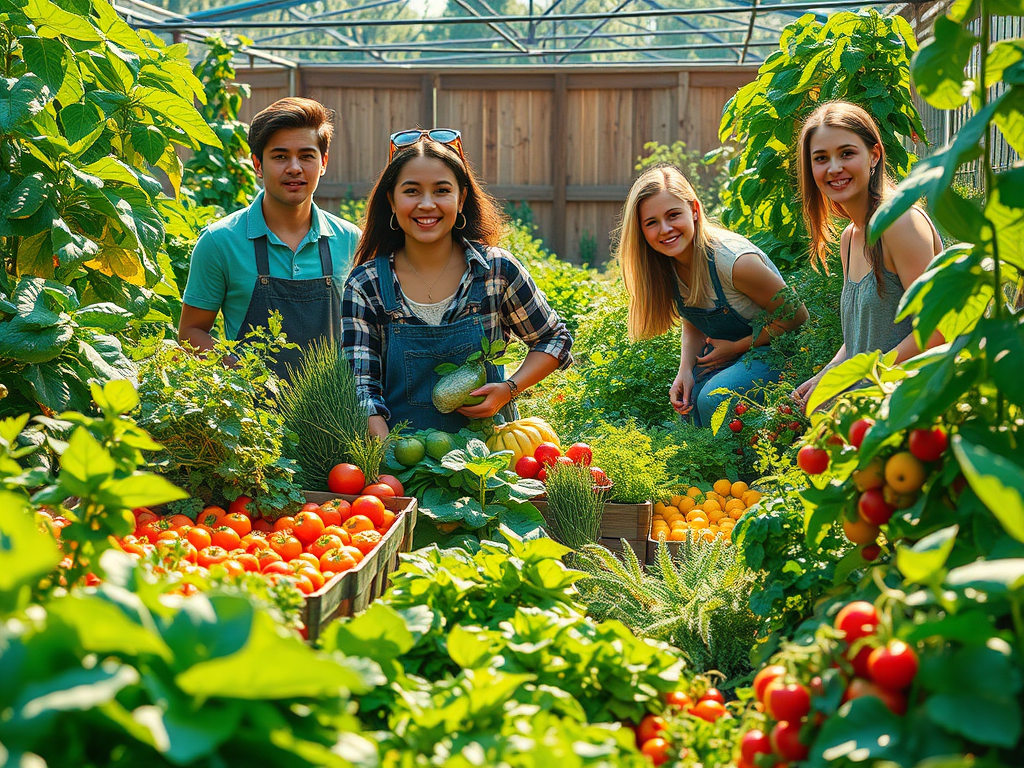
With more people discovering the joys and benefits of growing their own food, we at the Veggie-Bed are looking at what the future of suburban vegetable gardening has in store. Some trends we might see involve a mix of high-tech solutions and traditional practices.
We anticipate the development of ‘smart gardens’ that leverage advanced technology to enhance gardening experiences. These innovative gardens will feature automated watering systems that ensure plants receive the optimal amount of water based on real-time environmental conditions. Additionally, sophisticated sensors will monitor soil health by assessing moisture levels, pH balance, and nutrient availability, allowing for precise adjustments to promote plant growth.
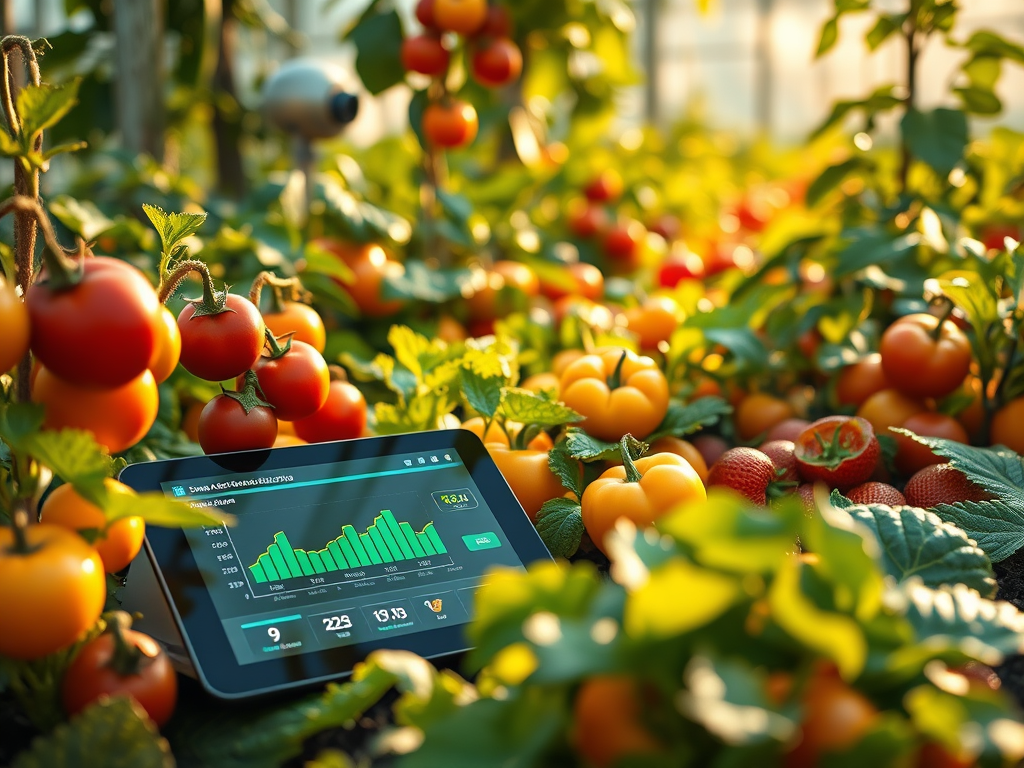
Furthermore, dedicated applications will track the growth of individual plants, providing gardeners with personalized insights and recommendations. This could include reminders for fertilization, alerts for potential pest infestations, and tailored advice on suitable plant care practices based on specific environmental factors. Overall, smart gardens will create a more efficient and enjoyable gardening experience, merging nature with technology.
As urban living continues to increase, and outdoor space becomes more limited, innovative space-saving techniques like vertical gardens and hydroponics are likely to become increasingly popular. Vertical gardens, which utilize walls or other vertical surfaces to grow plants, maximize available space while adding aesthetic appeal to buildings. Meanwhile, hydroponics, a method of growing plants without soil using nutrient-rich water, allows individuals to cultivate a wide range of vegetables in small, controlled environments. These methods empower city dwellers and those with limited outdoor areas to enjoy fresh, home-grown produce, promoting sustainable living and healthier eating habits.

Also, as communities continue to prioritize sustainability and healthy living, it is anticipated that more neighborhoods will establish community gardens and shared gardening spaces. These initiatives will encourage residents to come together, fostering collaboration and the sharing of resources, such as tools, seeds, and gardening techniques. In addition to providing fresh produce, these gardens will serve as vibrant gathering places that promote social interaction and community spirit. Moreover, they will create opportunities for educational programs on gardening and nutrition, ensuring that everyone, regardless of their background, has access to healthy food options and hands-on learning experiences. This collective effort not only enhances the quality of life for residents but also strengthens the bonds within the community.

As environmental awareness continues to rise, more people will adopt sustainable gardening practices to minimize their ecological footprint. Techniques such as eco-friendly rainwater harvesting allow gardeners to collect and utilize rainwater for irrigation, reducing reliance on municipal water supplies and conserving precious resources. Composting, the process of recycling organic waste into nutrient-rich soil, not only lessens landfill contributions but also enriches garden soil, promoting healthier plant growth. Additionally, organic pest control methods, which focus on natural solutions rather than harmful chemicals, help protect both the garden ecosystem and surrounding wildlife. As these practices gain popularity, we can expect to see a significant shift towards greener, more sustainable gardening in communities everywhere.
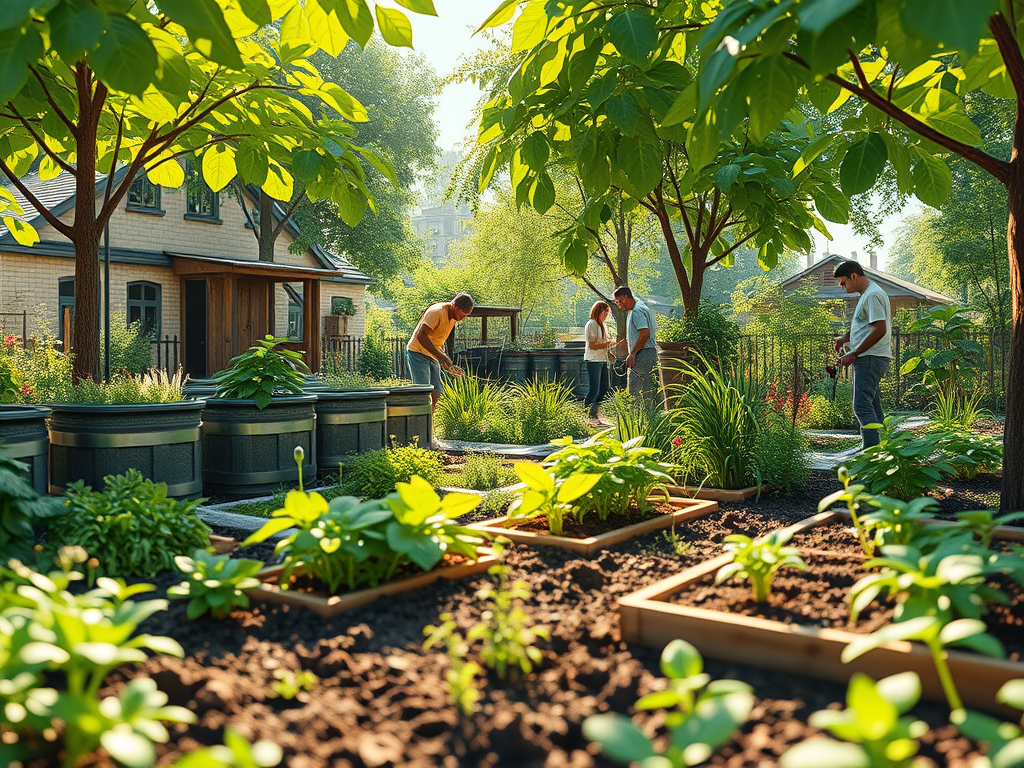
Schools and community centers are likely to expand their offerings of gardening classes, workshops, and events as the interest in self-sufficiency continues to grow. These programs aim to educate individuals and families of all ages on the essential skills of growing their own food. Participants will learn about various topics, including sustainable gardening practices, soil health, seasonal planting, and organic pest management. Additionally, these classes may include firsthand activities, allowing attendees to cultivate their own plants, participate in community gardens, and embrace the benefits of fresh produce. By fostering a deeper understanding of where food comes from and how to cultivate it, these initiatives contribute to healthier lifestyles and stronger community ties.

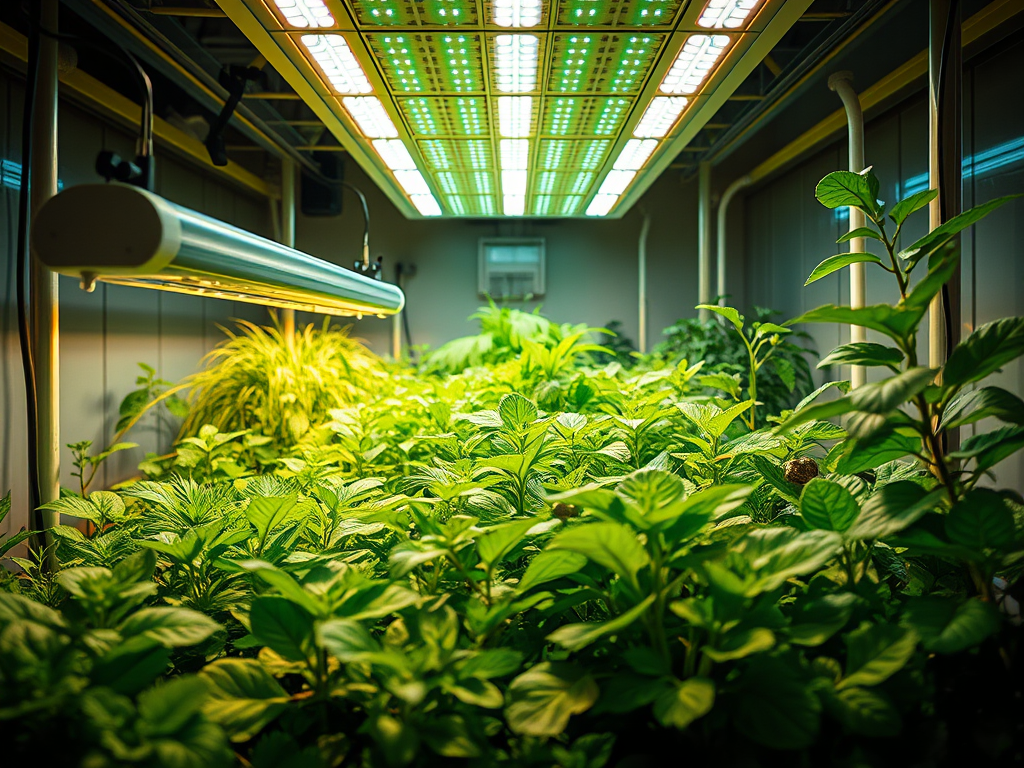
As urban environments become more densely populated and gardening space becomes increasingly scarce, indoor gardening is emerging as a viable solution for many households. Innovative indoor gardening systems, which include features such as energy-efficient LED grow lights and sophisticated climate control mechanisms, are revolutionizing the way we approach food production at home. The use of LED lights mimics natural sunlight, promoting healthy plant growth even in low-light environments, while climate control ensures optimal temperature and humidity levels for different types of plants. This combination not only enhances the growing experience but also significantly increases the yield of homegrown produce. Consequently, individuals and families can enjoy fresher, healthier food options right from their kitchens, fostering a deeper connection to their food sources and promoting sustainability. As more people embrace this trend, indoor gardening is set to play an important role in urban food production. These systems allow individuals to cultivate a variety of vegetables and herbs throughout the year, irrespective of seasonal changes or adverse weather conditions.
Although numerous advanced techniques and systems are currently employed in modern agriculture, many aspiring gardeners find themselves held back by the high costs and specialized knowledge required to implement them. However, as technology continues to evolve and become increasingly user-friendly, we are on the brink of a remarkable transformation. This shift will empower everyday households to embrace these groundbreaking innovations, allowing them to turn their gardening dreams into reality and cultivate vibrant, flourishing gardens with ease.
In wrapping up, here at Veggie-Bed, we can barely contain our excitement about the bountiful future ahead for vegetable gardening. With each new technique, tool, and technology we discover, we invite you to dig in alongside us on this journey of growth and green-thumbed discovery. Together, we can cultivate a flourishing community that embraces innovation and nurtures our shared love for sustainable gardening.
Images: AI-Generated
Prompt/edited: Tom Myrick
Written by: Tom Myrick
About the digital creator: Tom Myrick
Be friends with Tom on Facebook: Tom Myrick
-The information provided on UrbanGardening4u2day.com is intended for general informational purposes only and is shared in good faith. We make no representations or warranties of any kind—whether express or implied—regarding the accuracy, adequacy, validity, reliability, availability, or completeness of any information on this website-

One response to “The Future of Vegetable Gardening in America”
Home gardening can reduce reliance on industrial agriculture, which often involves harmful practices like pesticide use and excessive water consumption.
LikeLiked by 1 person