
At the Veggie-Bed, we are committed to being more sustainable, and a big part of that is how we manage our watering process. By understanding the hydrologic cycle, or the water cycle, we can use water more wisely. The hydrologic cycle explains how water moves through different parts of the environment.
Here’s how it works: Water from oceans, lakes, and rivers evaporates and becomes water vapor, and from plants that release water vapor into the air through their leaves, this vapor cools and turns into clouds. Eventually, the water falls back to Earth as rain, snow, sleet, or hail. Some of it seeps into the ground and becomes groundwater, while the rest flows back into rivers and lakes.

In vegetable gardening, the hydrologic cycle is really important. Precipitation, like rain, provides a natural way to water our plants. When water moves into the soil (infiltration), it helps plant roots get the moisture they need and keeps the soil healthy. The processes of evaporation and transpiration (when plants release water) help control the plant’s temperature and how they take in nutrients. By understanding the hydrologic cycle, we can ensure our vegetables get just the right amount of water to grow well.
Here are some ways that understanding the hydrologic cycle helps us use water more efficiently:
- Knowing weather patterns allows us to plan when to water our plants, avoiding over-watering or under-watering.
- Understanding how water seeps into the soil helps create better conditions for plant roots and improves water retention.
- Learning about evaporation and transpiration rates helps us choose the best times to water our gardens and reduce water loss.
- Being aware of precipitation patterns lets us collect and store rainwater for later use, which saves resources.
- Insights into the water cycle help us choose drought-resistant plants and effective irrigation methods during dry spells.
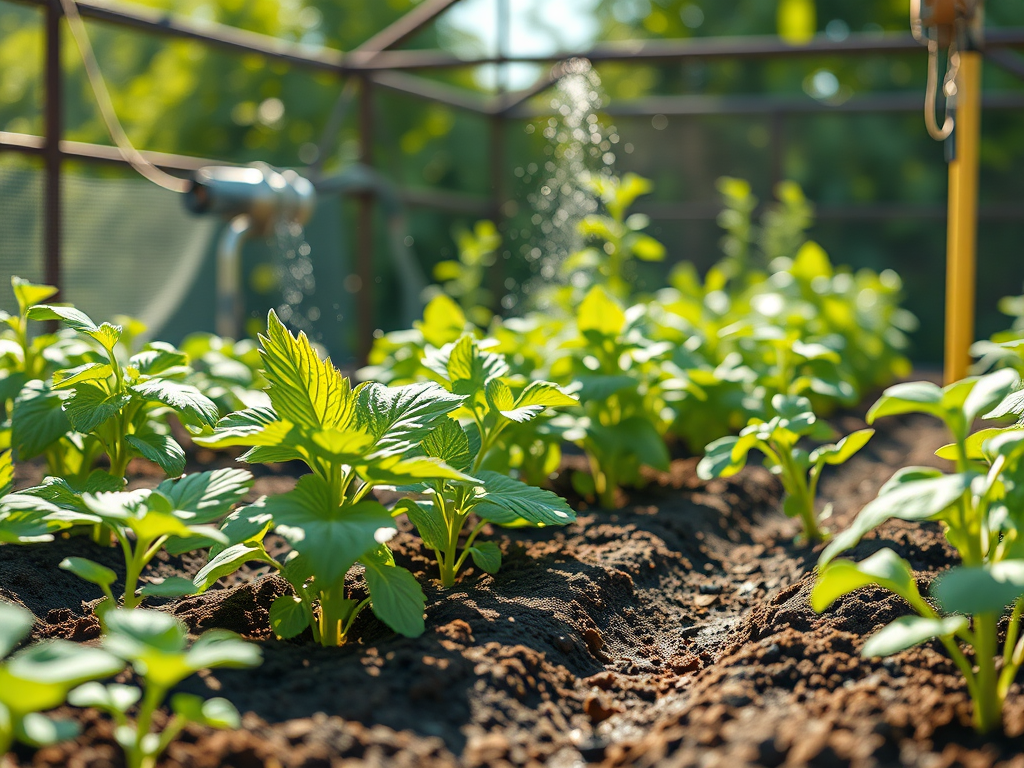
Being knowledgeable about the hydrologic cycle is key in sustainable watering practices because it helps us save this precious resource, especially in droughts or areas with limited water supply. If plants get too much or too little water, it can stress them out, leading to poor growth or death. Sustainable watering ensures that plants receive the right amount of water for their health. It also helps maintain soil structure and prevents erosion, which keeps important nutrients in the soil. Using water wisely can lower water bills and reduce the need for costly irrigation systems. Minimizing water waste eases pressure on local water sources and ecosystems, creating a healthier environment. These sustainable practices allow us to build a garden that can better handle extreme weather, pests, and diseases.
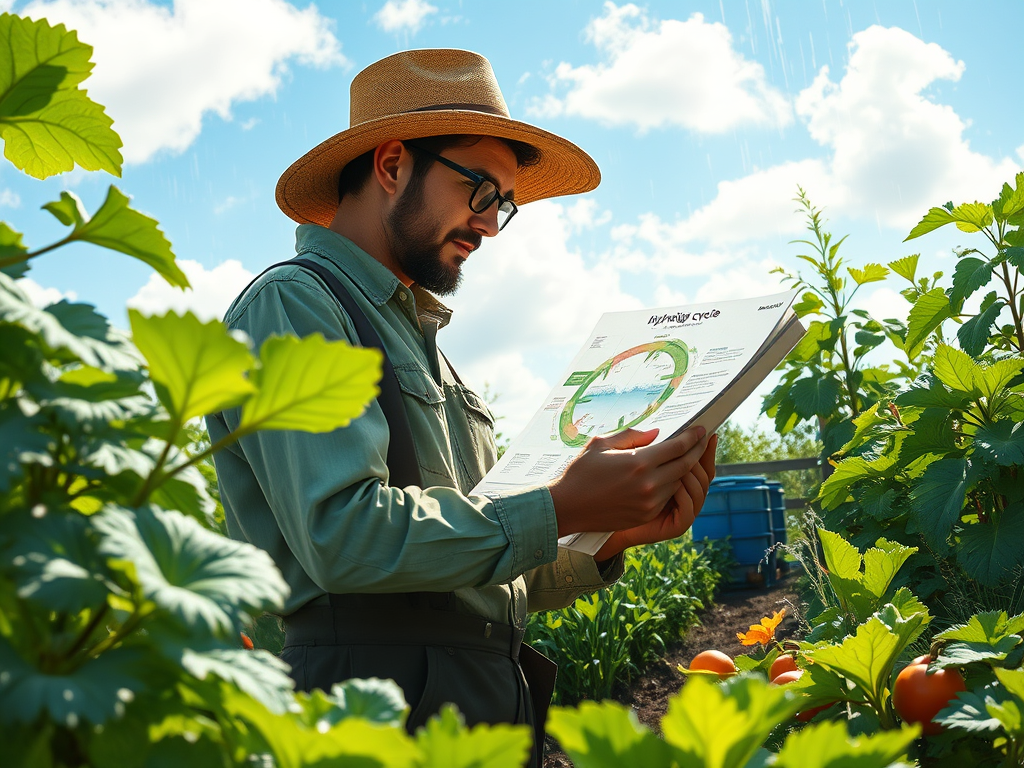
By applying this knowledge, we can create a more sustainable and productive vegetable garden, ensuring our plants get just the right amount of water. At the Veggie-Bed, we strive to implement sustainable watering practices to build a thriving, eco-friendly vegetable garden that supports both our plants and the planet.
Images: AI-Generated
Prompt/edited: Tom Myrick
Written by: Tom Myrick
About the digital creator: Tom Myrick
Be friends with Tom on Facebook: Tom Myrick
-The information provided on UrbanGardening4u2day.com is intended for general informational purposes only and is shared in good faith. We make no representations or warranties of any kind—whether express or implied—regarding the accuracy, adequacy, validity, reliability, availability, or completeness of any information on this website-

3 responses to “Sustainable Watering: Understanding the Hydrologic Cycle”
Do you create swales, dips and hollows or do you rely mostly on rainwater?
LikeLiked by 1 person
We use several sources of water. Living close to the coast, when it rains, it pours and floods the garden. Raised rows above the ground with furrows direct the water to a swale next to the garden, which allows it to seep back into the surrounding ground. Rain barrels capture some of the rain. In the driest parts of the summer, we relied on municipal water.
LikeLiked by 1 person
Clever solution. I asked because here in Ireland, it is unusual to have a drought but we still collect rainwater from roofs. And as I am intending to add more fruit trees, swales have come to my attention.
LikeLike