
Here at the Veggie-Bed, we take small yet significant steps towards more sustainable and eco-friendly gardening by reducing our vegetable garden’s energy footprint. You ask, “Energy footprint?”
An energy footprint refers to the total amount of energy consumed by an activity, process, or system. It encompasses all the energy used, from production to end-use. This includes direct energy consumption (like electricity and fuel) and indirect energy use (like the energy required to produce materials or products used in the process).

When it comes to growing vegetables in our garden, the energy footprint can be influenced by several factors such as the energy used to pump and distribute water to our garden, the energy required to produce and transport store-bought mulch, seeds, and organic materials, and the energy consumed in the production and use of tools like lawnmowers, trimmers, tillers, and the list goes on. By being mindful of these factors, we can reduce our garden’s energy footprint. For example, using rainwater harvesting systems, organic fertilizers, manual tools, and growing veggies from seeds we saved from our plants, all help lower the energy footprint of our garden.
Reducing the energy footprint of our vegetable garden is important for several reasons like reducing greenhouse gas emissions. Conserving energy goes hand-in-hand with conserving other resources like water and soil. By being mindful of our energy use, we can also reduce waste and protect natural habitats. Less energy consumption translates to lower energy bills. Growing vegetables more efficiently can save money over time, making gardening a more economically sustainable activity. By using renewable energy sources, organic methods, and efficient techniques, we can make our garden more sustainable. Sustainable gardening practices avoid synthetic fertilizers and pesticides, leading to healthier, more nutritious produce. This benefits not only our own health but also that of the local wildlife and pollinators. This contributes to a healthier ecosystem and ensures that we can continue to grow vegetables for generations to come. By demonstrating and practicing energy-efficient gardening we can inspire others in the community to adopt similar methods. We also promote an educational opportunity for kids and adults alike to learn about sustainability and environmental stewardship.
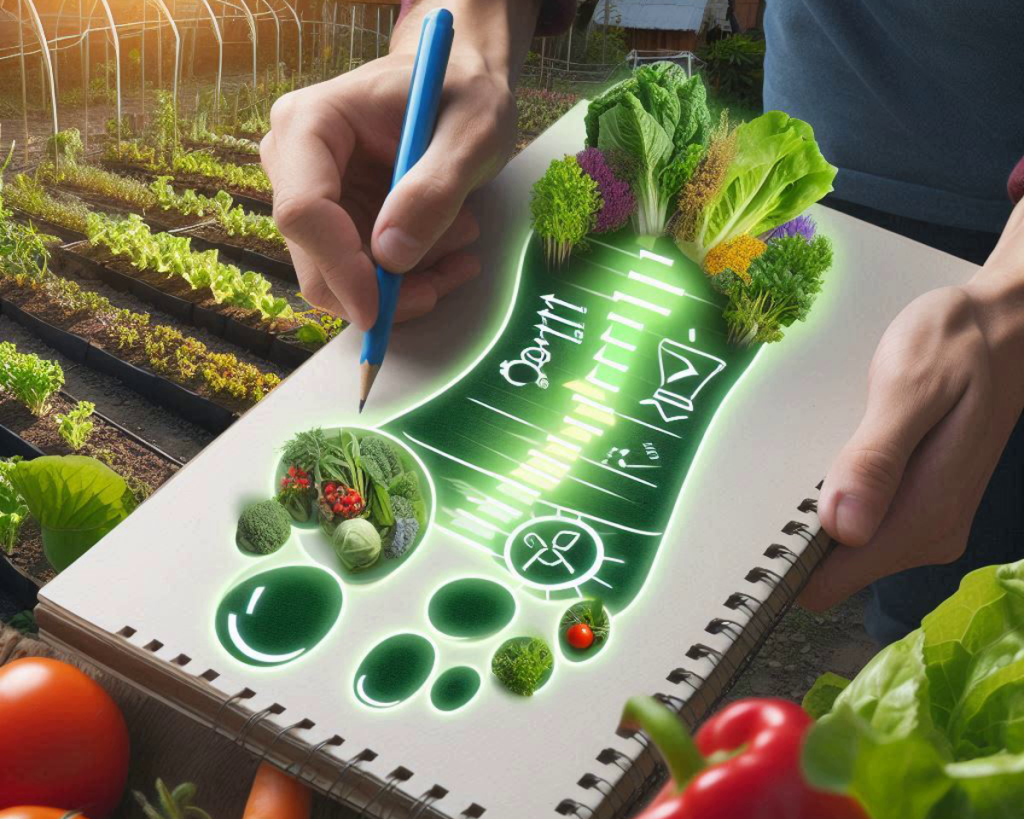
Here are some practical and effective strategies to reduce the energy footprint of your vegetable garden and stepping towards sustainability.
• Opt for compost, manure, and other organic fertilizers over synthetic ones. Composting kitchen scraps and garden waste reduces the energy used in producing and transporting commercial fertilizers.
• Install a rain barrel to collect and store rainwater. Use this water for irrigating your garden, which reduces the energy used in pumping and distributing municipal water.
• Use drip irrigation or soaker hoses instead of sprinklers. These systems deliver water directly to the plant roots, minimizing water wastage and reducing the energy needed to pump water.
• Use hand tools instead of power tools whenever possible. Rakes, hoes, and hand weeding tools can often do the job just as effectively without the need for electricity or fuel.
• Apply mulch to your garden beds to retain moisture, suppress weeds, and moderate soil temperature. This reduces the need for frequent watering and weeding.
• Practice companion planting and/or crop rotation to naturally deter pests and improve plant health, reducing the need for energy-intensive pest control measures.
• Source gardening materials locally to reduce the energy footprint associated with transportation.
• Consider using solar-powered garden lights, water pumps, or other garden devices to harness renewable energy.
• Use cold frames, row covers, or greenhouses to extend your growing season naturally, reducing the need for energy-intensive heating or lighting systems.
Implementing these strategies can make your vegetable garden more energy-efficient, sustainable, and cost-effective.

To summarize on a green note, reducing the energy footprint of our vegetable gardens is an important step towards more sustainable gardening. By using strategies like organic fertilizers, rainwater harvesting, and hand tools, we can lower our energy usage and make a positive impact on the environment. Not only do these practices help conserve resources and reduce pollution, but they also lead to healthier plants and produce. Embracing sustainability in gardening enables us to save money over time, protect local wildlife, and educate others about the importance of caring for our planet. As we take these small yet significant steps, we can inspire our community to join us in creating a cleaner, healthier environment for future generations.
Images: AI-Generated
Prompt/edited: Tom Myrick
Written by: Tom Myrick
About the digital creator: Tom Myrick
Be friends with Tom on Facebook: Tom Myrick
-The information provided on UrbanGardening4u2day.com is intended for general informational purposes only and is shared in good faith. We make no representations or warranties of any kind—whether express or implied—regarding the accuracy, adequacy, validity, reliability, availability, or completeness of any information on this website-

You must be logged in to post a comment.