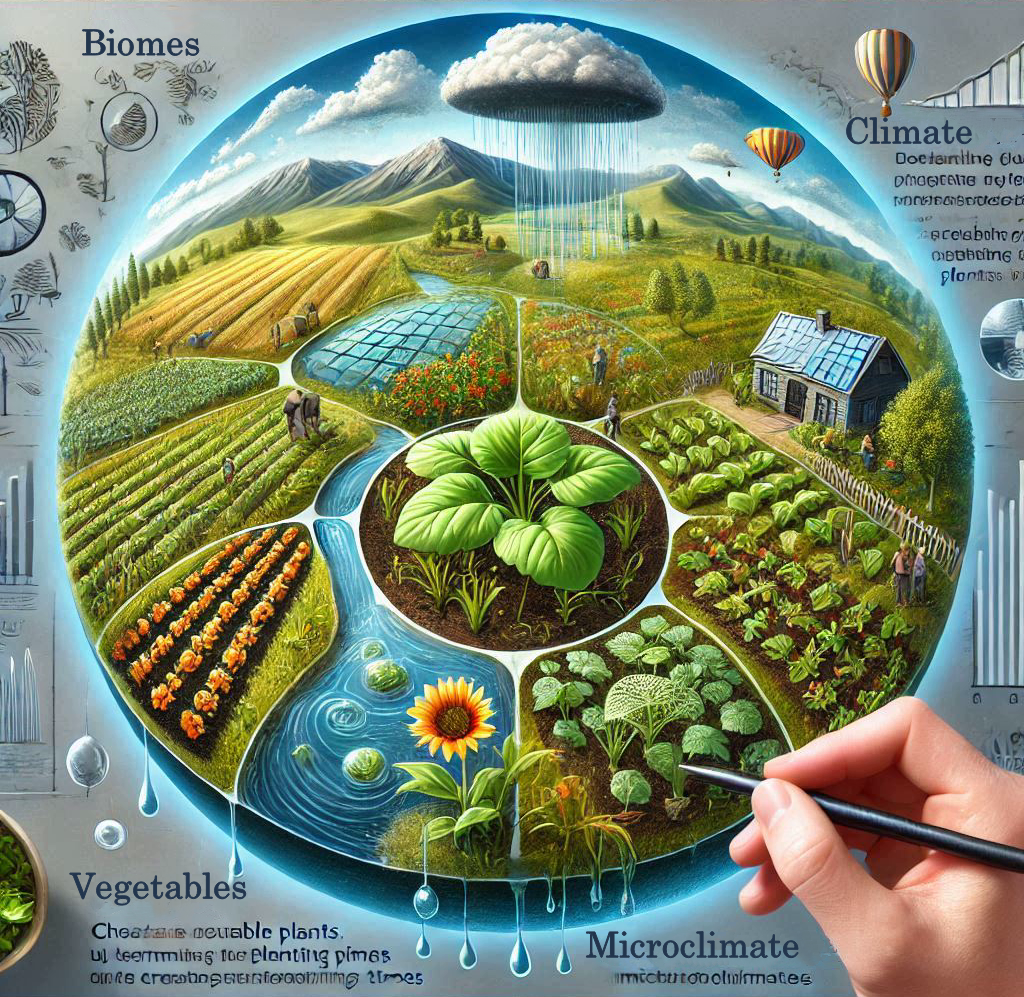
If you want to be successful at vegetable gardening, it’s important to understand biomes, climate, and microclimate. Are you ready to dig into this with a green thumb approach?
First, let’s sow the seeds of understanding by exploring what these terms mean in our vegetable gardening adventure.
Biomes
A biome is a large area of land that has specific types of plants, soil, weather, and animals. There are different kinds of biomes, like the tropical rainforest, which is hot and humid and has many different kinds of plants; the desert, which is very hot and dry with few plants; the temperate deciduous forest, which has four seasons and a moderate climate; the grassland, which mainly has open areas filled with grass and few trees; and the tundra, which is cold with limited plant life and a short growing season.

Climate
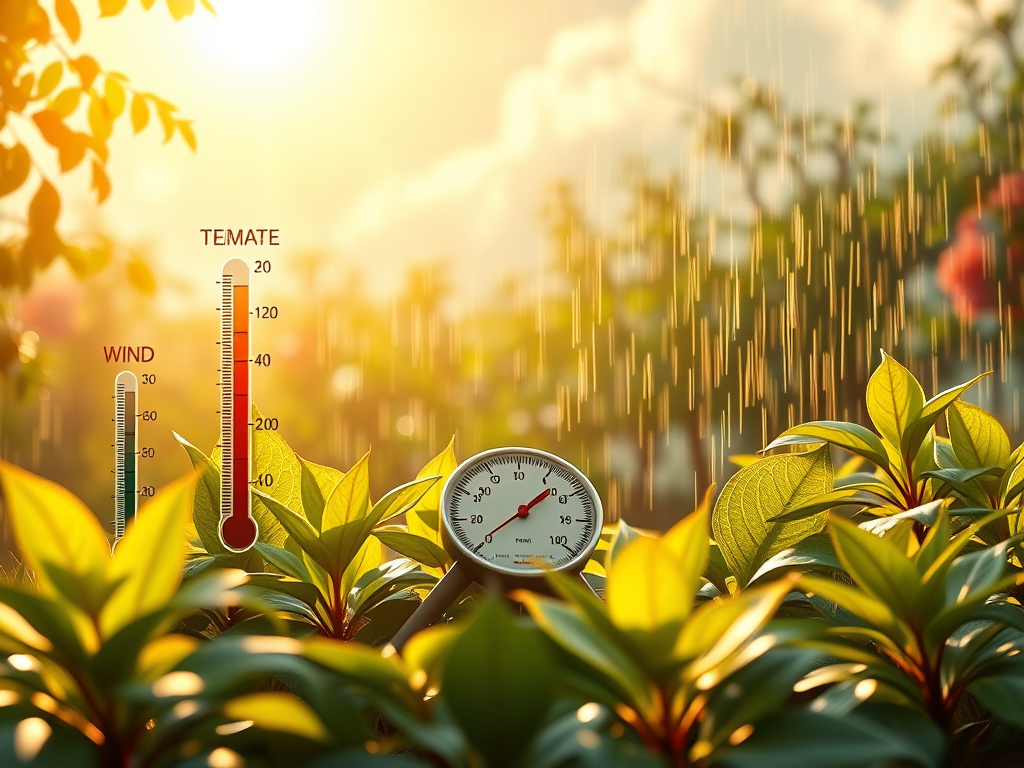
Climate refers to the long-term weather patterns that are typical for a certain area. Important parts of climate include temperature, humidity, rainfall, and wind. Knowing your local climate is essential for choosing the right vegetables for your garden. For example, warm-season veggies like tomatoes and peppers grow well in lots of sun and warmth, while cool-season leafy vegetables like lettuce and spinach prefer cooler weather and can handle a bit of frost.
Microclimate
A microclimate is a smaller area within a larger climate zone that has its own specific weather conditions. Several things can affect microclimates, such as how much sunlight an area gets, barriers like fences or trees that protect plants from wind, being near a body of water that can keep temperatures moderate, and elevation, where higher ground can be cooler than the surrounding areas.
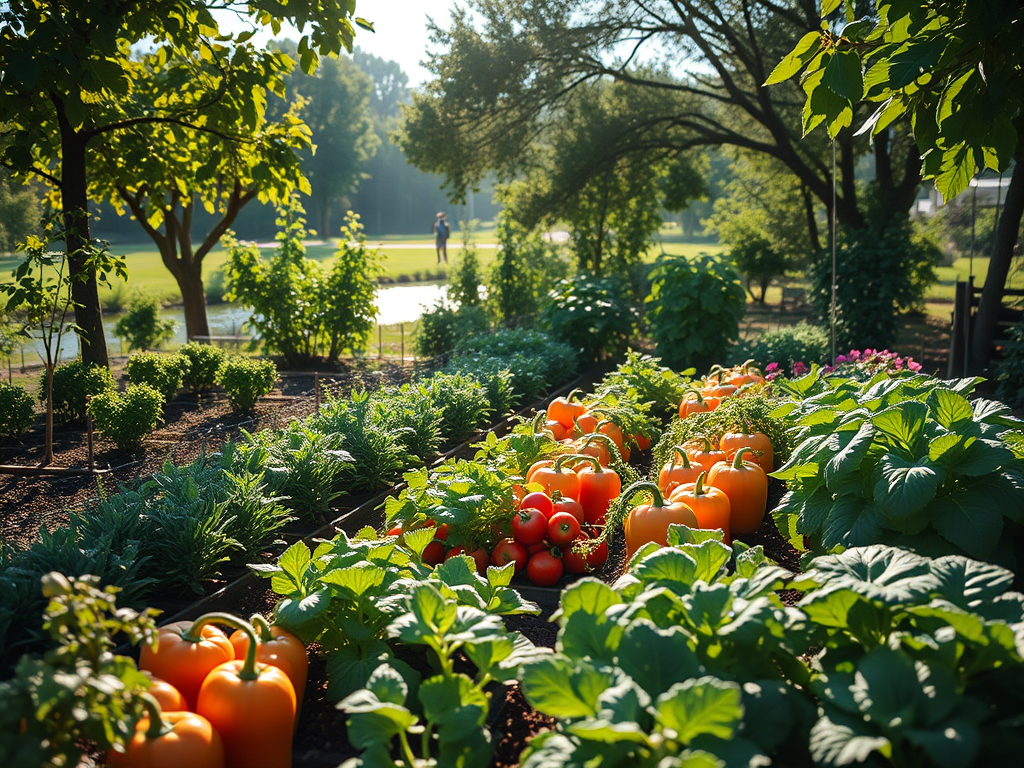
Next, let’s get our hands dirty and root around into how these factors influence our vegetable garden. Understanding their impact can help us grow a bountiful harvest of fresh veggies.
When you’re gardening, several environmental factors play a crucial role in the health and productivity of your plants. First and foremost, selecting plants that are well-suited to your specific biome and climate is essential for their successful growth. Different plants thrive in various conditions, so it’s important to research and choose varieties that can withstand your region’s temperature ranges, soil types, and precipitation patterns.
Understanding your local climate is equally important, as it helps you identify the optimal times for planting and harvesting your vegetables. Familiarizing yourself with seasonal weather patterns, frost dates, and average rainfall can enhance your gardening strategy, making you feel more informed and prepared. For instance, knowing the last frost date in spring will help you decide when to sow seeds or transplant seedlings outdoors.
Additionally, taking advantage of the unique conditions created by microclimates in your garden can significantly improve the conditions for different vegetables. Microclimates are small areas within your garden that may have slightly different temperatures, humidity levels, or sunlight exposure compared to the surrounding environment. You can create these beneficial zones by implementing practices such as adding mulch to retain moisture and regulate soil temperature, using shade cloths to protect sensitive plants from harsh sunlight, or even constructing greenhouses to provide a controlled environment for your more delicate garden gems. By creatively managing these factors, you can cultivate a thriving and diverse vegetable garden tailored to your specific conditions. By keeping these factors in mind, you can improve your gardening skills and have more success in growing your vegetables.
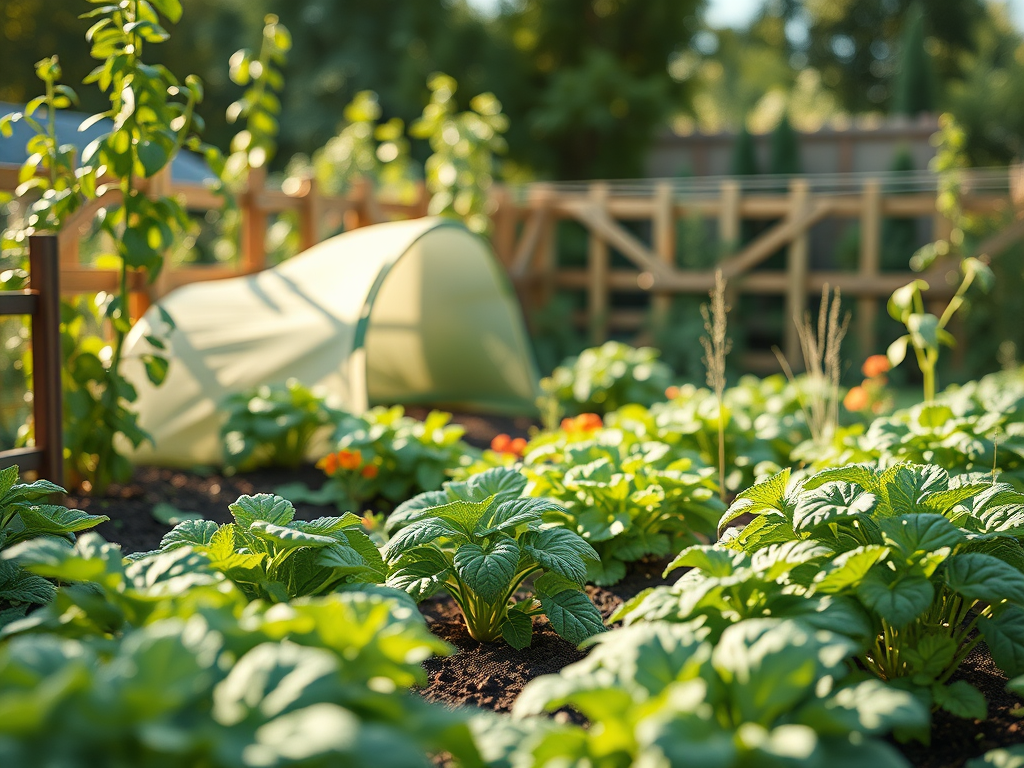
In summary, getting to know your biomes, climate, and microclimates is key to thriving in vegetable gardening. By choosing the right plants for your specific area and making the most of the microclimates in your garden, you’ll boost growth and enjoy a rich harvest. With this knowledge under your belt, you’ll cultivate your skills and confidence as a gardener.
Do you use any creative techniques in vegetable gardening to help reduce environmental problems effectively?
At Urban Gardening 4u2day, we are passionate about promoting eco-friendly and sustainable vegetable gardening practices. Our mission is to encourage individuals and communities to grow their own produce in environmentally conscious ways.
Images: AI-Generated
Prompt/edited: Tom Myrick
Written by: Tom Myrick
About the digital creator: Tom Myrick
Be friends with Tom on Facebook: Tom Myrick
-The information provided on UrbanGardening4u2day.com is intended for general informational purposes only and is shared in good faith. We make no representations or warranties of any kind—whether express or implied—regarding the accuracy, adequacy, validity, reliability, availability, or completeness of any information on this website-

You must be logged in to post a comment.