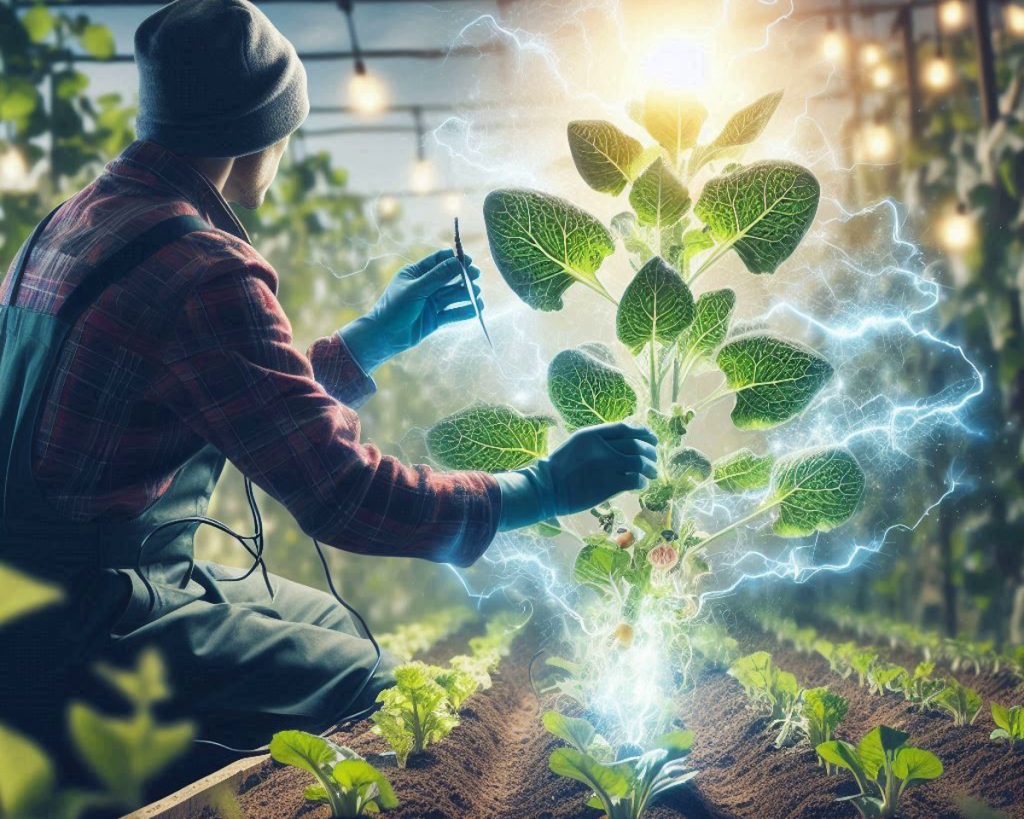
During our journey of continuous learning here at the Veggie-Bed, I stumbled upon a fascinating topic that really piqued my attention — electroculture. The possibilities it offers in enhancing plant growth and health are simply intriguing. I couldn’t resist ploughing deeper into this captivating field!
Electroculture has quite an interesting history. The concept dates back to the 18th and 19th centuries when early observers noticed that plants near electrified train tracks or areas with lightning strikes seemed to grow better. Pioneers like Sir Humphry Davy and André-Marie Ampère conducted early experiments to explore the link between electricity and plant growth. The technique gained more scientific attention in the 20th century with advancements in technology and better scientific tools. French agricultural engineer Georges Lakhovsky introduced electroculture in the 1920s, believing that plants could absorb energy from their surroundings, including electromagnetic fields. This presumption has continued to evolve over time.

Electroculture, or electro-agriculture, is a surprisingly simple gardening technique that employs electricity to enhance plant growth and health. The term “electroculture” originated in the 18th century when French scientists began experimenting with electricity on plants; whereas the term “electro-agriculture” is a more modern term that refers to the same concept but emphasizes its application in agriculture. They both involve techniques that apply low levels of electricity to the soil or directly to plants using electrodes, making it a feasible and straightforward method for any gardener.
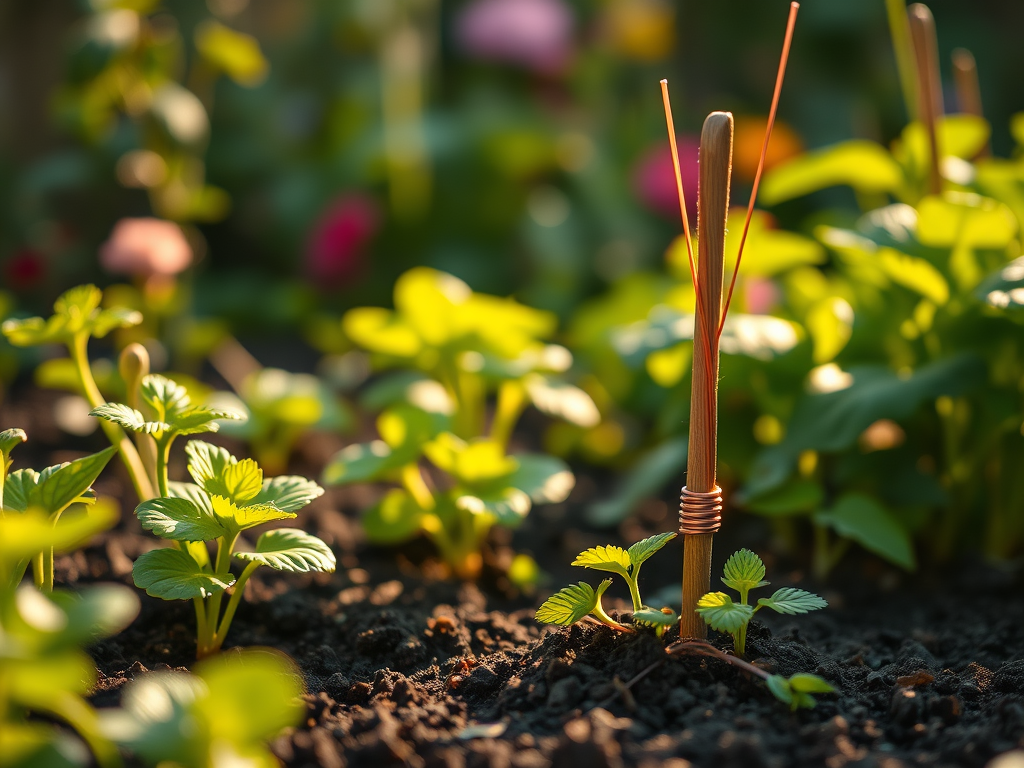
Small electrodes are strategically placed in the soil surrounding the plants, serving as conduits for a gentle, low-voltage electric current. This current is designed to enhance the plant’s natural energy absorption processes, resulting in healthier root development, superior nutrient uptake, and an overall boost to plant vitality. In addition to this method, some gardeners get creative by crafting antennas using copper or zinc wires wrapped around sturdy wooden dowels. These improvised antennas are then driven into the earth, where they are thought to tap into the energy present in the atmosphere. This intriguing technique is believed not only to encourage robust plant growth but also to help mitigate pest problems, creating a more thriving garden ecosystem.
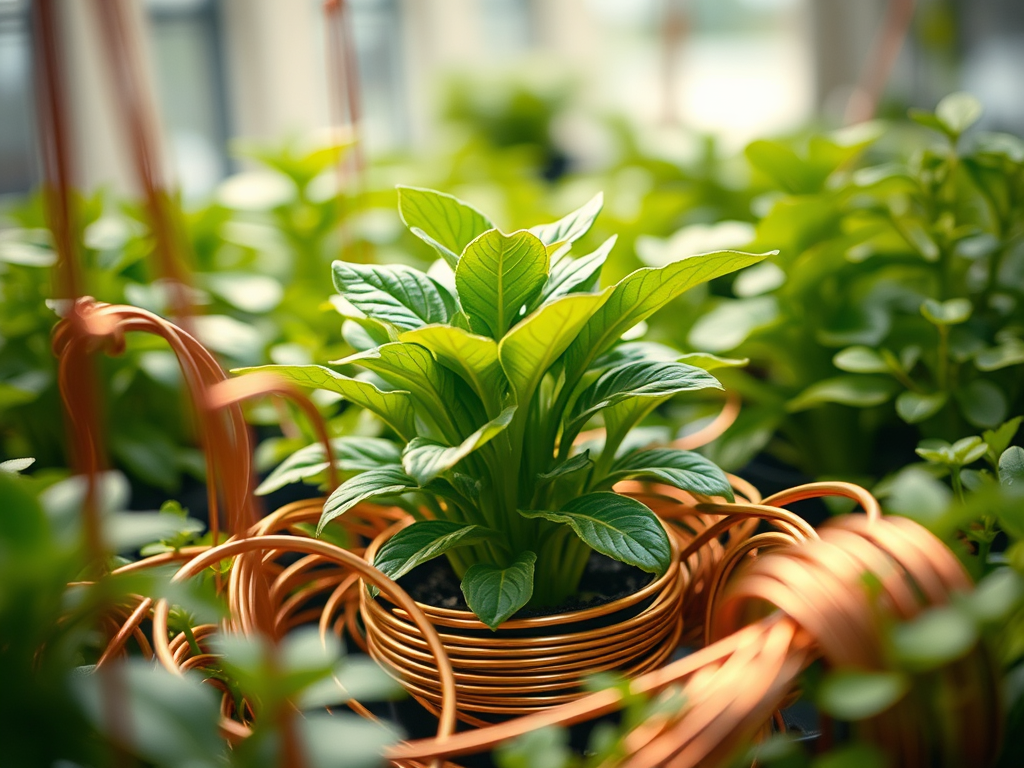
In addition to its outdoor applications, electro-agriculture can be highly effective in indoor environments as well. By employing straightforward configurations using copper wires or coils, this innovative approach can significantly enhance plant growth. For instance, in hydroponic systems—where plants are cultivated in nutrient-rich water without soil—strategically placed copper components can generate low-frequency electromagnetic fields. These fields can stimulate cellular activity and promote faster growth. Similarly, for houseplants in pots, incorporating copper wires into the soil or using coils around the pots can create beneficial electrical currents that encourage root development and improve nutrient uptake. This method not only optimizes growth conditions but can also lead to healthier plants with improved resilience against pests and diseases. Overall, the integration of electro-agriculture techniques into indoor gardening holds great promise for maximizing plant health and productivity.
While more scientific research is needed to fully understand the mechanisms behind electro-agriculture, it’s important to note that many gardeners have found it to be a beneficial technique for their vegetable gardens. Some gardeners report that their plants are larger and healthier, resulting in higher yields. Additionally, this method can potentially reduce reliance on chemical fertilizers, offering hope for a more sustainable and environmentally friendly gardening practice. On the other hand, critics argue that the evidence supporting electroculture is not robust enough and even consider it to be pseudo-science due to the lack of comprehensive scientific studies and standardized protocols.

Would you like to know more about how to set up an electro-agriculture system in your garden?
At Urban Gardening 4u2day, we are passionate about promoting eco-friendly and sustainable vegetable gardening practices. Our mission is to encourage individuals and communities to grow their own produce in environmentally conscious ways.
Images: AI-Generated
Prompt/edited: Tom Myrick
Written by: Tom Myrick
About the Writer/Photographer: Tom Myrick
Be friends with Tom on Facebook: Tom Myrick

You must be logged in to post a comment.