
The advancements and challenges in plant science directly impact vegetable gardening. Here at the Veggie-Bed we understand the benefits of this. Thanks to plant science, we now have access to disease-resistant and climate-tolerant plant varieties. For instance, there are tomatoes that can withstand certain diseases and drought-resistant varieties of corn. These varieties can greatly benefit us by reducing the risk of crop loss.

Plant science advancements helps us use sustainable practices. By adopting eco-friendly gardening techniques like composting and integrated pest management, we are empowered to contribute to a healthier environment. The use of new technologies like hydroponics and vertical farming opens up exciting possibilities for us to maximize our space and resources, inspiring us to experiment and learn. With the increased availability of information and resources helps us to make informed decisions.
Given that, let’s dig into an overview of the history, trends, issues, and challenges in plant science and their effect on vegetable gardening. Plant science, or botany, has a rich history that dates to ancient civilizations. Early humans relied on plants for food, medicine, and materials. Theophrastus, a student of Aristotle, is often considered the “Father of Botany” for his work in ancient Greece around 350 BC. Over time, botanical science evolved, with significant contributions during the Renaissance and the invention of the microscope in the 17th century. This period marked the beginning of modern plant science, which has since expanded into various subfields like plant pathology, ecology, and molecular biology.

Today, plant science is at the forefront of addressing global challenges such as climate change, food security, and sustainability. Sustainable agriculture is one such trend. By increasing plant diversity in agriculture to improve soil health and carbon sequestration helps to address sustainability.
Also, research on how plants communicate through volatile organic compounds (VOCs) to defend against pests and diseases are giving us a better understanding of natural ways of controlling these problems. The study of the physical and biochemical traits of plants, called Phenomics, is a key area in plant science. Using high-throughput phenotyping technologies, which are advanced tools that can rapidly measure and analyze these traits, we can quickly make progress in breeding programs to develop better crops.
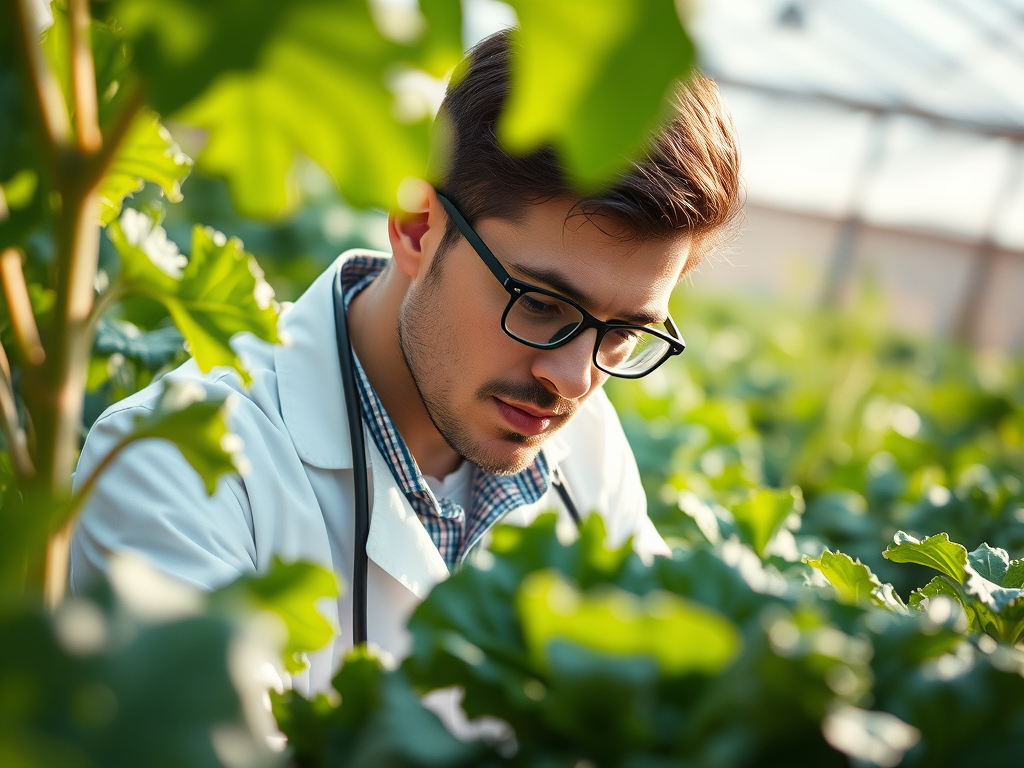
Electro-agriculture is an emerging field that explores the use of electricity to grow plants. By developing methods to grow plants with minimal land and resources, even in the dark, we can potentially revolutionize agriculture and address issues of land scarcity and resource limitations.
Despite these advancements, plant science faces several continual challenges. Adapting crops to changing climate conditions and extreme weather events, developing sustainable ways to protect crops from pests and diseases without relying heavily on chemical pesticides, addressing water and nutrient limitations, especially in regions with poor soil quality, and preserving and utilizing genetic diversity. All of these challenges are ongoing and crucial to ensure the resilience and adaptability of crops in the face of changing conditions in an uncertain future. As plant science continues to evolve, it offers exciting opportunities and solutions for both large-scale agriculture and home gardening.
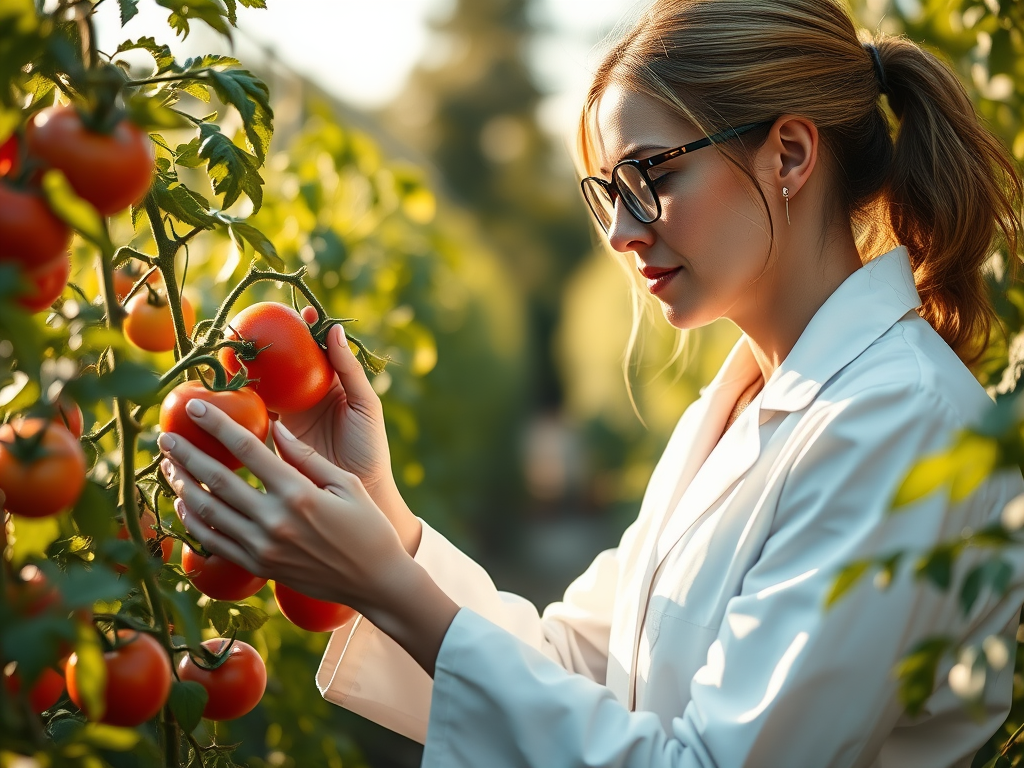
The world of plant science is not just a realm for researchers and scientists; it’s something that directly enriches our lives as gardeners and food enthusiasts. By embracing the advancements and innovations in this field, we can cultivate healthier, more resilient gardens while contributing to a sustainable future. The blend of traditional practices with modern technology opens up a treasure trove of possibilities, allowing us to experiment, learn, and grow in ways we might never have imagined.
So, let’s keep digging deeper into the wonders of plant science, stay curious, and continue to share our experiences and knowledge in the garden. Together, we can nurture not only our plants but also a thriving ecosystem that benefits us all!
At Urban Gardening 4u2day, we are passionate about promoting eco-friendly and sustainable vegetable gardening practices. Our mission is to encourage individuals and communities to grow their own produce in environmentally conscious ways.
Image: AI-Generated
Prompt/edited: Tom Myrick
Written by: Tom Myrick
About the Writer/Photographer: Tom Myrick
Be friends with Tom on Facebook: Tom Myrick

You must be logged in to post a comment.