Fungi are a kingdom of organisms distinct from plants, animals, and bacteria, including various species such as mushrooms, molds, and yeasts. In vegetable gardens, fungi play multiple roles—both beneficial and detrimental. Certain fungi form symbiotic relationships with plants, like mycorrhizal fungi, which enhance nutrient absorption and boost plant growth. On the other hand, other fungi can cause diseases, leading to wilting, blights, and rots, wreaking havoc on your veggies.
Fungal diseases like powdery mildew, root rot, and blight are some of the worst offenders, causing yellowing, stunted growth, and even killing your plants. There are several organic methods to control detrimental fungi in your vegetable garden. One approach is to remove affected plants and debris to prevent the spread of fungi. You can also use natural remedies like baking soda, hydrogen peroxide, garlic paste, cinnamon, and apple cider vinegar. Solarizing your soil by covering it with clear plastic during the hottest part of the year can help kill fungi and other pathogens, and rotating your crops can reduce the buildup of soil-borne fungi. Additionally, organic copper fungicides can help control fungal diseases without resorting to synthetic chemicals.
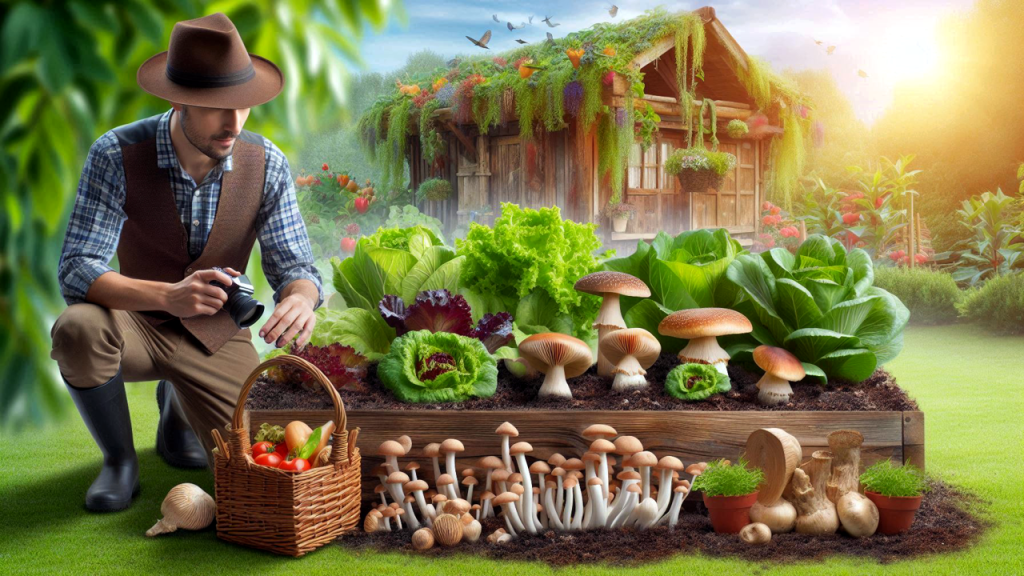
On the positive side, certain fungi, like mycorrhizal fungi, form symbiotic relationships with plant roots, helping them absorb more nutrients and water, leading to healthier and more robust plants. Fungi also break down organic matter in the soil, turning it into rich nutrients for your veggies, acting as a secret underground team boosting your garden’s performance. Encouraging beneficial fungi in your garden involves adding compost and organic matter, using mulch to keep the soil moist and cool, avoiding chemical fertilizers, planting a variety of plants to encourage a balanced and healthy soil ecosystem, and applying mycorrhizal inoculants to introduce beneficial fungi directly into your soil.
To put all into one basket, fungi can be friends or foes in your garden. Harmful fungi cause diseases like powdery mildew and root rot, stunting growth or killing plants, while beneficial fungi, like mycorrhizal fungi, help plants absorb more nutrients and break down organic matter, enriching your soil. It’s about balancing between battling bad fungi and boosting the good ones. Have you tried creating a fungi-friendly environment in your garden?
At Urban Gardening 4u2day, we are passionate about promoting eco-friendly and sustainable vegetable gardening practices. Our mission is to encourage individuals and communities to grow their own produce in environmentally conscious ways.
Image: AI-Generated
Prompt/edited: Tom Myrick
Written by: Tom Myrick
About the Writer/Photographer: Tom Myrick
Facebook: Urban Gardening 4u2day


You must be logged in to post a comment.