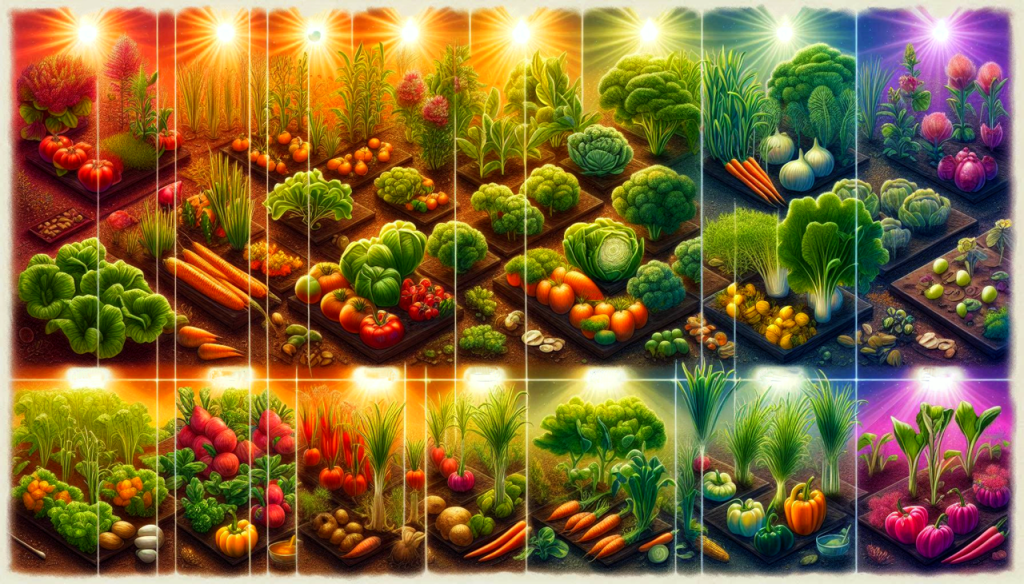
Photoperiodism, the science of how the relative lengths of daylight and darkness influence plant growth and development, is a powerful tool for gardeners.
Understanding and applying a plant’s photoperiodic response (how plants respond to the relative lengths of day and night, influencing processes like flowering, seed germination, and dormancy) to your planting dates can significantly boost your garden’s productivity.
Photoperiodism categorizes plants based on their responses to the relative lengths of light and dark periods. There are three main categories:
Long-day plants (LD), such as beets and lettuce, require more than 12 hours of sunlight or less than 12 hours of uninterrupted darkness to thrive and produce flowers or fruit.
Short-day plants (SD), like radishes and potatoes, flourish with less than 12 hours of sunlight or more than 12 hours of uninterrupted darkness.
Day-neutral plants (DN), including cucumbers and corn, do not depend on specific day lengths for flowering and are capable of flowering regardless of the day length.
Recognizing the principles of photoperiodism and the specific needs of long-day, short-day, and day-neutral plants can significantly improve your garden’s productivity. By adjusting your planting dates, you can provide the right balance of light and darkness and optimize the growth and development of various plant species, ultimately leading to healthier and more abundant yields.
Image: AI-Generated
Prompt/edited: Tom Myrick
Written by: Tom Myrick
About the Writer/Photographer: Tom Myrick
YouTube: Urban Gardening 4u2day
Facebook: Urban Gardening 4u2day


You must be logged in to post a comment.