Briefing Document: The Importance of Teaching Children About Growing Their Own Vegetables
Source: Excerpts from “The Importance of Teaching Children About Growing Their Own Vegetables,” by Eco Tom, Urban Gardening For You Today.
Author/Organization Context: Eco Tom is the groundskeeper for ‘Eco Tom’s Sanctuary.’ Both ‘Eco Tom’s Sanctuary’ and ‘Urban Gardening For You Today dot com’ promote and educate about sustainable gardening practices, blending practical demonstration with digital resources. This suggests a focus on real-world application and accessible education regarding gardening.
Main Theme: The article argues that teaching children about growing their own vegetables is a highly beneficial practice that fosters lifelong skills, promotes healthy habits, and encourages environmental awareness and responsibility.
Key Ideas and Supporting Facts:
Educational Value: Gardening offers hands-on learning experiences, enhancing understanding of scientific concepts like plant biology, ecology, and the plant life cycle. Children can learn about photosynthesis, soil composition, and the importance of pollinators.
Life Skills Development: Gardening cultivates essential life skills such as patience, teamwork, and problem-solving. The process teaches that plants need time and care, fostering patience and perseverance. Collaborative gardening also improves social skills and a sense of community.
Health Benefits: Growing their own vegetables encourages children to consume more fresh produce, improving their dietary habits. The American Dietetic Association has studies that support gardening increasing a child’s vegetable intake. The article states, “When children are involved in the planting, nurturing, and harvesting of vegetables, they develop a greater appreciation for fresh produce, which can lead to improved dietary habits.”
Physical Activity: Gardening provides physical exercise through activities like digging, planting, and weeding, contributing to overall physical fitness. The CDC emphasizes the importance of regular physical activity for maintaining a healthy weight and preventing chronic diseases.
Mental and Emotional Well-being: Nurturing plants has a positive impact on mental and emotional health, reducing stress, improving mood, and increasing happiness. The article states, “Engaging in gardening can positively affect a child’s mental and emotional well-being.”
Environmental Stewardship: Gardening teaches children about sustainable practices like composting, water conservation, and organic pest control. This fosters environmental awareness and encourages them to become environmentally conscious adults.
Economic Benefits: Understanding how to grow vegetables can teach children about economics and resource management. They learn that producing their own food can save money and reduce reliance on commercial produce, empowering them to make financially savvy decisions in the future.
Key Quote: “Educating children about growing their own vegetables is an invaluable and enriching experience that fosters lifelong skills and healthy habits. This practice not only encourages nutritious eating but also cultivates a sense of responsibility, environmental awareness, and self-sufficiency.”
Overall Message: Teaching children to grow their own vegetables has numerous advantages, contributing to their physical, cognitive, and emotional well-being while promoting healthy habits, environmental stewardship, and essential life skills.
Why is teaching children about growing their own vegetables important?
Teaching children to grow their own vegetables offers a multitude of benefits. It fosters healthier eating habits by encouraging them to consume the produce they’ve grown, promotes physical activity through gardening tasks, supports educational development by providing hands-on learning experiences in science and nature, cultivates environmental stewardship by teaching sustainable practices, builds essential life skills like patience and teamwork, and enhances economic understanding by showing them how to produce their own food. Ultimately, it contributes to their overall physical, cognitive, and emotional well-being.
How does gardening enhance a child’s educational experience?
Gardening serves as an exceptional educational tool, offering practical, hands-on experiences. Children can directly explore scientific concepts such as plant biology, ecology, and the plant life cycle through interaction. They can learn about processes like photosynthesis, understand soil composition, and appreciate the role and importance of pollinators, making learning engaging and memorable.
What life skills can children learn through gardening?
Gardening teaches valuable life skills such as patience, teamwork, and problem-solving. Children learn that plants require time and consistent care to flourish, which helps them cultivate patience and perseverance. Working together in a garden enhances social skills and promotes a sense of community as they collaborate to achieve common goals.
How can growing their own vegetables improve a child’s diet?
Children who grow their own vegetables are more likely to eat them. Involving children in the planting, nurturing, and harvesting of vegetables fosters a greater appreciation for fresh produce. This involvement often leads to improved dietary habits and a willingness to try new vegetables, contributing to a healthier and more balanced diet.
What are the physical health benefits of gardening for children?
Gardening provides a form of physical exercise that helps children stay active. Activities such as digging, planting, and weeding require movement and effort, contributing to overall physical fitness. Regular physical activity is essential for maintaining a healthy weight and preventing chronic diseases, making gardening a beneficial way to promote physical well-being.
In what ways can gardening positively impact a child’s mental and emotional well-being?
Engaging in gardening can positively affect a child’s mental and emotional well-being. Nurturing plants and witnessing their growth can be therapeutic and fulfilling, which has been shown to reduce stress, improve mood, and increase overall happiness.
How does teaching children to grow vegetables promote environmental stewardship?
By teaching children to grow their own vegetables, we are teaching them to care for the environment. They learn about sustainable practices such as composting, conserving water, and using organic methods to control pests. These lessons foster a sense of stewardship and respect for nature, encouraging them to become environmentally conscious adults.
What economic benefits can children gain from learning about gardening?
Growing vegetables teaches children about economics and resource management. They learn that producing their own food can save money and reduce reliance on commercial produce. This understanding empowers them to make financially savvy decisions in the future.
I. Study Questions
Consider the following questions to guide your review of the source material:
What are the main arguments presented in favor of teaching children to grow their own vegetables?
How does the article connect gardening to scientific learning? Provide specific examples.
What life skills can children develop through gardening, according to the article?
How does gardening impact children’s eating habits and overall health?
What are the environmental benefits of teaching children about gardening?
How can gardening provide economic lessons for children?
In what ways can gardening be considered a form of physical activity?
How can gardening improve a child’s mental and emotional well-being?
What evidence or examples are used to support the claims made in the article?
What is the role of ‘Eco Tom’s Sanctuary’ and ‘Urban Gardening For You Today dot com ‘ in relation to the information in the article?
II. Quiz: Short Answer Questions
Answer each question in 2-3 sentences.
According to the article, how does gardening connect children to scientific concepts?
Describe two life skills that the article says children can develop through gardening.
What did the American Dietetic Association study find about gardening and children’s diets?
How does the article claim that gardening promotes physical activity in children?
In what ways does the article state that gardening can be therapeutic for children?
Explain two sustainable practices the article says children learn through gardening.
How does the article argue that gardening can teach children about economics?
What is ‘Eco Tom’s Sanctuary’ and what is its purpose as it relates to the article?
How does the article suggest that gardening can improve a child’s mood?
What does the article emphasize about gardening and preventing chronic diseases?
Answer Key
The article states that gardening provides hands-on opportunities for children to learn about plant biology, ecology, and the life cycle of plants. They can explore concepts like photosynthesis, soil composition, and the importance of pollinators through direct interaction with the garden.
The article states gardening teaches patience, as children learn that plants require time and care to grow. It also enhances teamwork, as children work together in the garden and develop social skills.
According to the article, a study by the American Dietetic Association found that gardening can significantly increase a child’s vegetable intake. When children are involved in growing vegetables, they develop a greater appreciation for fresh produce.
The article describes gardening as a form of physical exercise, including activities like digging, planting, and weeding. These actions require movement and effort, contributing to children’s overall physical fitness.
The article posits that nurturing plants and watching them grow can be incredibly therapeutic and fulfilling for children. It also suggests that gardening has been shown to reduce stress and increase overall happiness.
The article says children learn about composting, which reduces waste and enriches soil, and conserving water, ensuring sustainable resource use. They also learn about using organic methods to control pests, avoiding harmful chemicals.
The article argues that gardening teaches children about economics and resource management by showing them that producing their own food can save money. They also learn about reducing reliance on commercial produce, empowering them to make financially savvy decisions.
‘Eco Tom’s Sanctuary’ is a practical demonstration site for sustainable gardening practices. It acts as a real-world example of the principles promoted in the article and on the ‘Urban Gardening For You Today dot com ‘ website.
The article suggests that engaging in gardening can reduce stress, improve mood, and increase overall happiness for children. Nurturing plants and watching them grow can be emotionally fulfilling.
The article emphasizes that the Centers for Disease Control and Prevention (CDC) highlights regular physical activity’s importance in maintaining a healthy weight and preventing chronic diseases, suggesting gardening’s role.
III. Essay Questions
Discuss the multifaceted benefits of teaching children about growing their own vegetables, drawing upon the various arguments presented in the article. Consider the educational, health, environmental, and economic aspects.
Explore the connection between gardening and life skills development in children, as outlined in the article. How can gardening foster qualities like patience, responsibility, and teamwork?
Analyze the role of environmental stewardship in the context of children’s gardening. How can teaching children to grow their own food promote sustainable practices and a respect for nature?
Evaluate the impact of gardening on children’s health and well-being, referencing the specific findings and recommendations mentioned in the article. How does gardening contribute to healthier eating habits, physical activity, and mental wellness?
Consider the combined efforts of ‘Eco Tom’s Sanctuary’ and ‘Urban Gardening For You Today dot com ‘ in promoting and educating people about sustainable gardening practices. How is this a model that can be implemented in other communities?
IV. Glossary of Key Terms
Photosynthesis: The process by which green plants and some other organisms use sunlight to synthesize foods from carbon dioxide and water.
Ecology: The branch of biology that deals with the relations of organisms to one another and to their physical surroundings.
Pollinators: Agents (e.g., insects, birds) that transfer pollen from the male part of a flower to the female part, enabling fertilization and the production of fruit and seeds.
Soil Composition: The proportions of sand, silt, and clay in a soil, as well as the organic matter content.
Sustainable Practices: Methods that meet the needs of the present without compromising the ability of future generations to meet their own needs.
Composting: A process that decomposes organic matter and recycles it as a fertilizer and soil amendment.
Organic Methods: Farming practices that avoid the use of synthetic fertilizers, pesticides, and genetically modified organisms.
Environmental Stewardship: The responsible use and protection of the natural environment through conservation and sustainable practices.
Life Cycle: The series of changes in the life of an organism, including reproduction.
Resource Management: The efficient and effective deployment of an organization’s resources when they are needed.
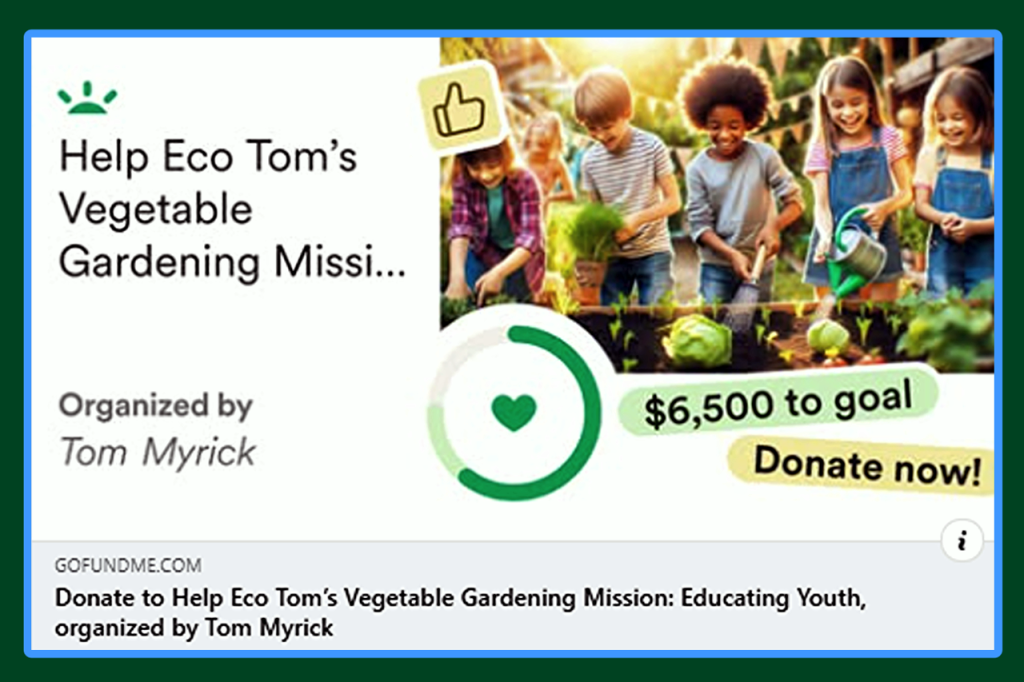
Eco Tom blends science with the heart of a gardener and encourages you to join him on his journey.
AI played a role in formulating this content, helping to refine and organize the information presented.
Eco Tom’s Sanctuary and UrbanGardening4u2Day.com represent a combined effort to promote and educate about sustainable gardening practices. The sanctuary acts as a practical demonstration site, while the website extends the reach through a variety of digital resources, blending real-world experiences with scientific knowledge.
Images: AI-Generated
Audio Deep Dive: AI-Generated based on user-provided sources and instructions
Eco Tom and Eco Tom’s Sanctuary is inspired by a real home garden and true-life experiences.
-The information provided on UrbanGardening4u2day.com is intended for general informational purposes only and is shared in good faith. We make no representations or warranties of any kind—whether express or implied—regarding the accuracy, adequacy, validity, reliability, availability, or completeness of any information on this website-
© Thomas Myrick 2025. All rights reserved


You must be logged in to post a comment.