Briefing Document: The Science Behind Growing Healthy Kale
Source: Excerpts from “The Science Behind Growing Healthy Kale: Tips for Success” by Eco Tom for UrbanGardening4u2day.com
Date: October 26, 2023 (based on the current date of this interaction)
Prepared for: [Intended Audience – e.g., Gardening Enthusiasts, Urban Farmers]
Overview:
This document summarizes the key themes and important ideas presented in Eco Tom’s article, “The Science Behind Growing Healthy Kale: Tips for Success.” The article, published on the website “UrbanGardening4u2day.com,” blends scientific understanding with practical gardening advice, drawing from observations at Eco Tom’s Sanctuary and his experience with the “Veggie-Bed,” a no-till raised row organic vegetable garden. The central focus is on understanding the biological processes that enable kale to thrive, allowing gardeners to optimize their cultivation techniques for a healthy and abundant harvest.
Main Themes and Important Ideas:
The Importance of Understanding Kale’s Natural Processes:
The article emphasizes that observing and understanding how kale interacts with its environment is crucial for successful cultivation. Eco Tom encourages gardeners to appreciate the “beauty of its growth process—how it gracefully utilizes sunlight and other environmental resources.”
This understanding allows gardeners to “align our gardening practices with the natural needs of the kale plants,” fostering a deeper connection with the plant’s life cycle.
Key Environmental Factors for Kale Growth:
Sunlight: Kale flourishes in “cooler temperatures and partial to full sunlight.” The article explains the science behind this, stating that kale “absorbs sunlight through its leaves using a pigment called chlorophyll.” This process converts light energy into chemical energy for sugar production, fueling the plant’s growth.
Soil: Well-drained, fertile soil rich in organic matter is essential. This type of soil “helps retain moisture and nutrients,” crucial for kale’s development.
Water and Nutrients: Kale roots “extend into the soil to take up essential nutrients such as nitrogen, potassium, and phosphorus,” along with other vital elements like calcium and magnesium. These nutrients contribute to “strong stems, lush leaves, and a vibrant green color.” Water absorption by the roots is also critical for the plant’s structure and photosynthesis.
Air (Carbon Dioxide): Kale “takes in carbon dioxide (CO2) from the air through tiny pores on its leaves called stomata, which are crucial for gas exchange.” During photosynthesis, CO2 and water are converted into sugars, releasing oxygen as a byproduct.
The Science of Photosynthesis:
The article provides a basic explanation of photosynthesis, highlighting the role of chlorophyll in capturing sunlight and the conversion of carbon dioxide and water into sugars for plant energy. This underscores the fundamental biological process driving kale’s growth.
Sustainable Gardening Practices (Implicit):
The context of ” UrbanGardening4u2day.com,” “Eco Tom’s Sanctuary,” and the “Veggie-Bed” (described as “no-till raised row organic”) suggests an underlying theme of sustainable gardening. While not explicitly detailed in the excerpts, the focus on understanding natural processes aligns with eco-conscious cultivation methods.
Harvesting Techniques for Continuous Production:
The article provides specific guidance on harvesting, recommending to “start with the outer leaves while leaving the inner ones to continue growing for a constant supply throughout the season.”
It also differentiates harvesting times for baby kale (“about 25 to 30 days after planting”) and mature kale (“around 50 to 75 days”). Mature leaves should be “fully grown but still tender and have a deep green color,” emphasizing the visual cues for optimal harvest time. This also highlights the “virtue of patience in gardening.”
Benefits of Understanding for Enhanced Cultivation:
Eco Tom emphasizes the practical benefits of understanding the science behind kale growth, stating: “By deeply understanding the intricate relationship between our kale and its surrounding environment, we have the opportunity to enhance our cultivation techniques. This understanding allows us to optimize growth conditions, leading to a rich, abundant harvest of this vibrant and nourishing vegetable, full of essential nutrients and health benefits.”
Key Quotes:
“With our kale planted in the Veggie-Bed, the beauty of its growth process—how it gracefully utilizes sunlight and other environmental resources—provides inspiring insights into its cultivation.”
“Kale absorbs sunlight through its leaves using a pigment called chlorophyll. This light energy is converted into chemical energy, which helps the plant produce sugars from carbon dioxide in the air and water from the soil.”
“The roots of kale extend into the soil to take up essential nutrients such as nitrogen, potassium, and phosphorus… The roots also absorb water, which is transported throughout the plant.”
“Kale takes in carbon dioxide (CO2) from the air through tiny pores on its leaves called stomata, which are crucial for gas exchange.”
“When harvesting, we start with the outer leaves while leaving the inner ones to continue growing for a constant supply throughout the season.”
“By deeply understanding the intricate relationship between our kale and its surrounding environment, we have the opportunity to enhance our cultivation techniques. This understanding allows us to optimize growth conditions, leading to a rich, abundant harvest of this vibrant and nourishing vegetable, full of essential nutrients and health benefits.”
Frequently Asked Questions about Growing Healthy Kale
Q1: What are the ideal environmental conditions for growing kale successfully? Kale thrives in cooler temperatures and prefers partial to full sunlight exposure. It requires well-drained and fertile soil that is rich in organic matter. This type of soil helps to retain necessary moisture and nutrients crucial for healthy growth.
Q2: How does kale utilize sunlight for its growth? Kale uses a pigment called chlorophyll in its leaves to absorb sunlight. This captured light energy is then converted into chemical energy through photosynthesis. This process allows the plant to produce sugars from carbon dioxide in the air and water from the soil, which in turn fuels the plant’s overall growth and development.
Q3: What role do soil nutrients play in the health and appearance of kale? The roots of kale absorb essential nutrients from the soil, including nitrogen, potassium, and phosphorus, as well as other vital elements like calcium and magnesium. These nutrients are critical for the plant to develop strong stems, produce lush and vibrant green leaves, and maintain its overall health and vigor.
Q4: How does kale interact with the air during its growth process? Kale takes in carbon dioxide from the atmosphere through tiny pores on its leaves called stomata. This gas exchange is essential for photosynthesis. During this process, kale uses sunlight to convert carbon dioxide and water into sugars and other organic compounds for energy, releasing oxygen as a byproduct.
Q5: What is the significance of organic matter in the soil for kale cultivation? Organic matter in the soil is highly beneficial for growing healthy kale. It improves soil structure, enhances drainage while still retaining adequate moisture, and provides a slow-release source of essential nutrients. This creates a more favorable environment for root development and overall plant health.
Q6: What are the different stages and timelines for harvesting kale leaves? There are two main stages for harvesting kale. For baby kale, the young, tender leaves can be harvested when they are just a few inches long, typically around 25 to 30 days after planting. For mature kale, it takes approximately 50 to 75 days until the leaves are fully grown but still tender and have a deep green color.
Q7: What is the recommended harvesting technique to ensure a continuous supply of kale? The recommended harvesting method for mature kale is to start with the outer, larger leaves, leaving the inner, younger leaves to continue growing. This approach allows for a constant supply of fresh kale throughout the growing season, promoting continuous production.
Q8: What is the overarching principle behind successfully growing healthy kale, according to the source? The key to successfully growing healthy kale lies in deeply understanding the intricate relationship between the plant and its surrounding environment. By aligning gardening practices with the natural needs of the kale, optimizing growth conditions like sunlight, water, and nutrients, gardeners can achieve a rich and abundant harvest of this nutritious vegetable.
Growing Healthy Kale: A Scientific Review
Quiz
1. According to the source, what are the ideal temperature and sunlight conditions for kale to flourish?
2. Describe the type of soil that kale prefers and explain why this soil composition is beneficial for its growth.
3. What is chlorophyll, and what role does it play in the growth of kale?
4. Name three essential nutrients that kale roots absorb from the soil and briefly describe their importance to the plant.
5. Explain the process of photosynthesis in kale, mentioning the inputs and outputs involved.
6. What are stomata, and what is their primary function in the kale plant?
7. Describe the recommended method for harvesting mature kale leaves to ensure a continuous supply.
8. At what stage and approximately how many days after planting can baby kale leaves typically be harvested?
9. What does Eco Tom emphasize as the benefit of understanding the relationship between kale and its environment?
10. Where is Eco Tom’s Sanctuary located, and what is the Veggie-Bed?
Answer Key
1. Kale flourishes in cooler temperatures and prefers partial to full sunlight. These conditions provide the optimal energy and environmental factors for its growth processes.
2. Kale appreciates well-drained, fertile soil rich in organic matter. This type of soil helps to retain both moisture and essential nutrients that are crucial for healthy kale development.
3. Chlorophyll is a pigment found in kale leaves that absorbs sunlight. This absorbed light energy is then converted into chemical energy during photosynthesis, fueling the plant’s growth.
4. Three essential nutrients are nitrogen (for strong stems and lush leaves), potassium (for overall plant health), and phosphorus (for root development). These nutrients contribute to the kale’s vibrant growth and color.
5. Photosynthesis is the process where kale uses sunlight, carbon dioxide from the air, and water from the soil to produce sugars (its food) and other organic compounds. Oxygen is released as a byproduct of this process.
6. Stomata are tiny pores located on the surface of kale leaves. Their primary function is to facilitate gas exchange, allowing the plant to take in carbon dioxide for photosynthesis and release oxygen.
7. When harvesting mature kale, the outer leaves should be picked first, leaving the inner, smaller leaves to continue growing. This method ensures a continuous harvest throughout the growing season.
8. Baby kale leaves can typically be harvested once they are a few inches long, which is approximately 25 to 30 days after planting. These are the young, tender leaves of the plant.
9. Eco Tom emphasizes that a deep understanding of the relationship between kale and its surrounding environment allows gardeners to optimize growth conditions. This leads to a more abundant and nutrient-rich harvest.
10. Eco Tom’s Sanctuary is a small, thriving ecosystem nestled in the suburbs. The Veggie-Bed is a no-till raised row organic vegetable garden located at the sanctuary where the kale is planted.
Essay Format Questions
Discuss the interconnectedness of sunlight, water, air, and soil nutrients in the healthy growth of kale, drawing specific examples from the provided text.
Explain how the gardening practices at Eco Tom’s Sanctuary, particularly the use of the Veggie-Bed and the harvesting techniques described, align with the natural needs of kale plants.
Analyze the role of photosynthesis in the life cycle and nutritional value of kale, detailing the scientific processes involved and their significance.
Compare and contrast the harvesting methods for baby kale and mature kale, explaining the reasoning behind the different approaches and their impact on continued growth.
Evaluate the significance of understanding the environmental needs of plants, using kale cultivation as a case study, and discuss how this knowledge can lead to more successful and sustainable gardening practices.
Glossary of Key Terms
Chlorophyll: A green pigment found in plants that absorbs light energy from the sun, crucial for photosynthesis.
Photosynthesis: The process by which green plants use sunlight, water, and carbon dioxide to create sugars (energy) and release oxygen.
Nutrients (Plant): Essential elements absorbed by plants from the soil, such as nitrogen, phosphorus, and potassium, that are necessary for healthy growth and development.
Organic Matter: Decomposed plant and animal material in the soil that improves its structure, fertility, and water retention.
Stomata: Tiny pores on the surface of plant leaves that allow for gas exchange, primarily the intake of carbon dioxide and the release of oxygen and water vapor.
No-till Gardening: A method of gardening that avoids disturbing the soil through digging or plowing, aiming to maintain soil structure and health.
Raised Bed: A gardening method where plants are grown in soil that is elevated above the ground level, often contained by frames.
Sustainable Gardening: Gardening practices that aim to minimize negative environmental impact and promote long-term soil health and biodiversity.
Resilient Plant: A plant that is able to withstand less-than-ideal conditions and recover from stress.
Carbon Dioxide (CO2): A gas present in the atmosphere that plants absorb through their stomata for use in photosynthesis.
Conclusion:
Eco Tom’s article effectively blends basic botanical science with practical gardening advice for cultivating healthy kale. By explaining the fundamental processes of photosynthesis, nutrient uptake, and gas exchange, the article empowers gardeners to make informed decisions that support the plant’s natural needs. The emphasis on observation, understanding environmental factors, and proper harvesting techniques contributes to a sustainable approach to urban gardening, as exemplified by the practices at Eco Tom’s Sanctuary and the Veggie-Bed. The article ultimately encourages a deeper appreciation for the natural processes that drive plant growth and the rewarding experience of harvesting nutrient-rich kale.
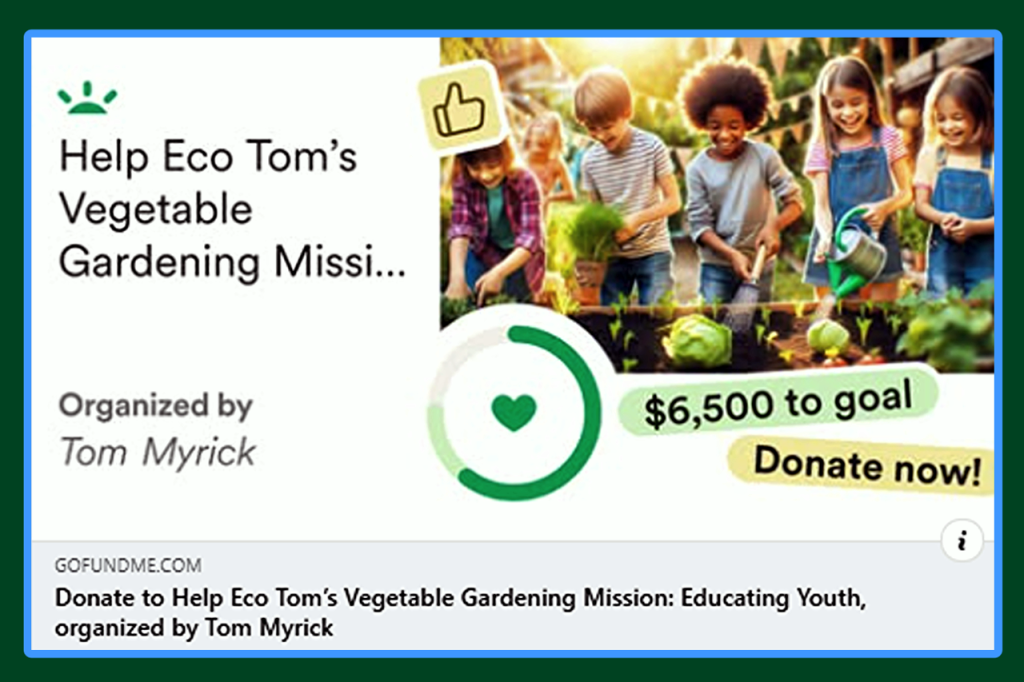
Eco Tom blends science with the heart of a gardener and encourages you to join him on his journey.
AI played a role in formulating this content, helping to refine and organize the information presented.
Eco Tom’s Sanctuary and UrbanGardening4u2Day.com represent a combined effort to promote and educate about sustainable gardening practices. The sanctuary acts as a practical demonstration site, while the website extends the reach through a variety of digital resources, blending real-world experiences with scientific knowledge.
Images: AI-Generated
Audio Deep Dive: AI-Generated based on user-provided sources and instructions
Eco Tom and Eco Tom’s Sanctuary is inspired by a real home garden and true-life experiences.
-The information provided on UrbanGardening4u2day.com is intended for general informational purposes only and is shared in good faith. We make no representations or warranties of any kind—whether express or implied—regarding the accuracy, adequacy, validity, reliability, availability, or completeness of any information on this website-
© Thomas Myrick 2025. All rights reserved

You must be logged in to post a comment.