Briefing Document: “From Sunlight to ATP: The Flow of Energy”
Source: Excerpts from “From Sunlight to ATP: The Flow of Energy” by Eco Tom for UrbanGardening4u2day.com
Date: October 26, 2023 (based on the prompt request context)
Prepared For: [Intended Audience – general briefing]
Overview:
This briefing document summarizes the main themes and key information presented in Eco Tom’s article, “From Sunlight to ATP: The Flow of Energy.” The article, published on the website “UrbanGardening4u2day.com,” aims to explain the fundamental concept of energy flow in nature, specifically focusing on how solar energy captured by plants in a garden setting (Eco Tom’s Sanctuary’s “Veggie-Bed”) ultimately fuels human activities through the consumption of vegetables and the production of ATP. The author, Eco Tom, blends scientific explanations with a gardener’s perspective, emphasizing the interconnectedness of life and the “wonders of life” observed in his suburban garden sanctuary.
Main Themes and Key Ideas:
The Cycle of Energy: The central theme is the continuous flow and transformation of energy within an ecosystem. The article highlights this cycle, starting with solar energy and tracing its path through plants and ultimately to the human body. Eco Tom defines this cycle as “the continuous flow and transformation of energy within an ecosystem or system. In nature, it’s often described as the flow of energy through the food chain and the transformation between forms of energy , giving us the energy to go about our day.”
Solar Energy as the Primary Source: The article clearly establishes the sun as the initial source of energy for life on Earth. It explains the process of nuclear fusion in the sun’s core, where “hydrogen atoms combine to form helium, releasing an immense amount of energy in the form of light and heat.” The journey of sunlight from the sun to Earth (approximately 8 minutes and 93 million miles) is also noted.
Photosynthesis: Capturing Sunlight in Plants: A crucial step in the energy cycle is photosynthesis, the process by which plants, utilizing chlorophyll, convert sunlight, carbon dioxide, and water into glucose (chemical energy) and oxygen. The article states: “Vegetables capture sunlight through their leaves using a pigment called chlorophyll. During photosynthesis, they convert sunlight, carbon dioxide (from the air), and water (from the soil) into glucose (a type of sugar) and oxygen. Glucose is a form of chemical energy that plants use to grow and thrive.” The article further explains that this chemical energy is stored in various forms within the plant tissues and seeds, which we consume as vegetables.
Cellular Respiration: Transforming Stored Energy into ATP in Humans: The article details how the chemical energy stored in vegetables is converted into usable energy for human activities. This occurs through digestion, where complex molecules are broken down, and subsequent cellular respiration within the mitochondria of our cells. The process involves combining glucose (derived from carbohydrates in vegetables) with oxygen to produce ATP (adenosine triphosphate), described as “the primary energy currency of our body.” ATP then fuels various cellular processes that enable daily activities.
Interconnectedness of Life: Eco Tom emphasizes the “deep interconnectedness of all life on Earth” through this energy cycle. The article illustrates how the sun’s energy, captured by plants, forms the base of the food chain and ultimately powers human life. This highlights the vital role of plants and sustainable gardening practices in maintaining this essential cycle.
The “Veggie-Bed” as a Microcosm: Eco Tom’s Sanctuary and its “Veggie-Bed” serve as a tangible example of this energy flow in action. The description of the “sun-drenched days spent in the lush Veggie Bed” and the vibrant ecosystem it supports provides a relatable context for understanding these scientific principles. The “no-till raised row organic vegetable garden” is presented as a thriving environment where this energy transformation is readily observable.
Appreciation for Nature’s Rhythms: The article conveys a sense of wonder and appreciation for the natural processes involved in the energy cycle. Eco Tom’s concluding remark, “As we give thanks for the bounties from the Veggie-Bed, we truly see the ‘wonders of life’ between the heavens and earth,” encapsulates this sentiment and encourages readers to recognize the profound connection between sunlight, plants, and human life.
Important Ideas and Facts:
Solar energy originates from nuclear fusion in the sun’s core (hydrogen to helium conversion).
Sunlight takes approximately 8 minutes to reach Earth.
Plants use chlorophyll to capture solar energy during photosynthesis.
Photosynthesis converts sunlight, CO2, and water into glucose and oxygen.
Glucose is a form of chemical energy stored in plants.
Humans obtain this stored chemical energy by consuming vegetables.
Digestion breaks down complex molecules in vegetables into simpler forms (e.g., glucose).
Cellular respiration in mitochondria uses glucose and oxygen to produce ATP.
ATP is the primary energy currency for cellular activities in the human body.
Eco Tom’s Sanctuary and the Veggie-Bed exemplify this energy cycle in a garden setting.
The article promotes an appreciation for the interconnectedness of life and the natural flow of energy.
Quotes:
“Each beam of sunlight breathes life into the soil, nurturing an array of plants that, in turn, support a diverse community of creatures. This stunning interplay creates a flourishing cycle of energy transfer, as sunlight transforms into food, promoting growth and harmony in our natural haven.”
“The cycle of energy refers to the continuous flow and transformation of energy within an ecosystem or system. In nature, it’s often described as the flow of energy through the food chain and the transformation between forms of energy , giving us the energy to go about our day.”
“In this process, hydrogen atoms combine to form helium, releasing an immense amount of energy in the form of light and heat.”
“Vegetables capture sunlight through their leaves using a pigment called chlorophyll. During photosynthesis, they convert sunlight, carbon dioxide (from the air), and water (from the soil) into glucose (a type of sugar) and oxygen. Glucose is a form of chemical energy that plants use to grow and thrive.”
“…glucose (from the carbohydrates) is combined with oxygen to produce ATP (adenosine triphosphate), which is the primary energy currency of our body.”
“As we give thanks for the bounties from the Veggie-Bed, we truly see the ‘wonders of life’ between the heavens and earth.”
Conclusion:
Eco Tom’s article effectively communicates the fundamental principles of energy flow from the sun to the human body through the lens of urban gardening. By focusing on his own “Veggie-Bed,” he provides a relatable and engaging illustration of these complex biological processes. The article successfully blends scientific information with a sense of wonder and appreciation for the natural world, highlighting the crucial role of plants in capturing solar energy and sustaining life. This piece would likely resonate with readers interested in gardening, sustainable living, and understanding the basic science behind food and energy.
Frequently Asked Questions: From Sunlight to ATP
Q1: What is the central concept of “the cycle of energy” as described in this article? The cycle of energy, in this context, refers to the continuous movement and transformation of energy within an ecosystem, starting with the sun and flowing through living organisms. It highlights how solar energy is converted into chemical energy by plants and then transferred to those who consume them, ultimately providing the energy needed for daily activities.
Q2: Where does the energy that sustains life on Earth originate, according to the article? The ultimate source of energy for life on Earth, as described, is the sun. Through nuclear fusion occurring in its core, the sun releases immense energy in the form of light and heat, which then travels to Earth.
Q3: How do plants, particularly those in Eco Tom’s Veggie-Bed, capture solar energy? Plants capture solar energy through a process called photosynthesis. They use a pigment called chlorophyll in their leaves to absorb sunlight. This energy, along with carbon dioxide from the air and water from the soil, is converted into glucose, a sugar that serves as a form of stored chemical energy for the plant’s growth and survival.
Q4: What is the significance of glucose in the energy cycle described? Glucose is a crucial intermediate in the energy cycle. It is the form of chemical energy that plants create during photosynthesis. This stored energy in the form of glucose (and other carbohydrates, proteins, and fats) is then consumed by other organisms, including humans, and broken down to release energy for their life processes.
Q5: How does the human body utilize the energy stored in vegetables? When humans consume vegetables, their bodies undergo digestion, breaking down complex molecules like carbohydrates into simpler forms such as glucose. This glucose is absorbed into the bloodstream and transported to cells. Within the mitochondria of these cells, a process called cellular respiration occurs, where glucose is combined with oxygen to produce ATP (adenosine triphosphate), which is the primary energy currency that fuels various bodily functions and activities.
Q6: What role does Eco Tom’s Veggie-Bed play in illustrating the energy cycle? Eco Tom’s Veggie-Bed serves as a tangible example of the energy cycle in action. The sun’s energy nourishes the plants in the Veggie-Bed, allowing them to grow and produce food. This food then represents stored chemical energy that can be consumed, demonstrating the direct link between sunlight and the sustenance of life within a small, thriving ecosystem.
Q7: What does the article emphasize about the interconnectedness of life on Earth in relation to energy? The article underscores the deep interconnectedness of all life through the flow of energy. It illustrates how energy originates from the sun, is captured by plants (forming the base of the food chain), and then sustains all organisms that consume them. This highlights a fundamental dependency and relationship between different parts of the natural world.
Q8: What sentiment does Eco Tom express regarding the energy cycle and the Veggie-Bed? Eco Tom expresses a sense of wonder and gratitude for the “wonders of life” that are evident in the energy cycle, particularly as observed in his Veggie-Bed. He appreciates the connection between the sun’s energy and the bountiful produce of his garden, recognizing the intricate and life-sustaining processes at play.
Study Guide: From Sunlight to ATP: The Flow of Energy
Glossary of Key Terms:
ATP (Adenosine Triphosphate): The primary molecule that cells use to store and release energy for cellular work. It is often referred to as the “energy currency” of the cell.
Cellular Respiration: A metabolic process that occurs in the mitochondria of cells where glucose (and other organic molecules) is broken down in the presence of oxygen to produce ATP, water, and carbon dioxide.
Chemical Energy: Energy stored in the bonds of chemical compounds (like glucose, fats, and proteins). This energy is released when these bonds are broken during chemical reactions.
Chlorophyll: A green pigment found in the chloroplasts of plant cells (and some algae and bacteria) that absorbs light energy, particularly in the red and blue wavelengths, and is essential for photosynthesis.
Ecosystem: A biological community of interacting organisms and their physical environment.
Energy Cycle: The continuous flow and transformation of energy within an ecosystem or system, often described as the movement of energy through the food chain and the conversion between different forms of energy.
Glucose: A simple sugar (monosaccharide) that serves as a primary source of energy for living organisms. It is produced during photosynthesis.
Nuclear Fusion: A nuclear reaction in which two or more atomic nuclei combine to form one or more different atomic nuclei and subatomic particles (neutrons or protons). This process in the sun’s core releases immense amounts of energy.
Photosynthesis: The process by which green plants, algae, and some bacteria use sunlight, water, and carbon dioxide to create glucose (sugar) and oxygen. This process converts light energy into chemical energy.
Solar Energy: Energy derived from the sun in the form of electromagnetic radiation (light and heat).
Quiz:
1. Describe the fundamental process that occurs in the sun’s core to generate solar energy.
2. What role does chlorophyll play in the process of photosynthesis in plants?
3. List the three main ingredients that plants utilize during photosynthesis.
4. What is glucose, and how does it function as a form of energy storage in plants?
5. Explain how the chemical energy stored in vegetables is made available to our bodies when we eat them.
6. What is ATP, and why is it referred to as the primary energy currency of the body?
7. Briefly outline the process of cellular respiration and where it primarily takes place within our cells.
8. According to the article, what is the significance of the energy cycle in the context of life on Earth?
9. Where is Eco Tom’s Sanctuary located, and what is a key feature of it mentioned in the foreword?
10. What is the main focus of the website ‘UrbanGardening4u2day.com?
Answer Key:
1. Solar energy is created in the sun’s core through nuclear fusion, a process where hydrogen atoms combine to form helium, releasing a tremendous amount of energy as light and heat.
2. Chlorophyll is a pigment found in plant leaves that captures sunlight, which is the initial energy source needed to drive the process of photosynthesis.
3. The three main ingredients plants use during photosynthesis are sunlight, carbon dioxide (from the air), and water (from the soil).
4. Glucose is a type of sugar that plants produce during photosynthesis. It serves as a form of chemical energy that plants use for growth and is stored in their tissues and seeds.
5. When we consume vegetables, our body breaks down the complex molecules containing stored chemical energy (like carbohydrates) into simpler forms (like glucose) through digestion. These simpler molecules are then used in cellular respiration to produce ATP.
6. ATP (adenosine triphosphate) is the primary energy currency of the body because it is the molecule that directly provides energy for various cellular processes, enabling us to perform our daily activities.
7. Cellular respiration is the process where glucose (derived from the food we eat) is combined with oxygen in our cells’ mitochondria to produce ATP.
8. The energy cycle highlights the deep interconnectedness of all life on Earth, demonstrating how energy flows from the sun to plants and then to animals (including humans), ultimately powering our activities.
9. Eco Tom’s Sanctuary is located in the suburbs and is a small, thriving ecosystem that features the Veggie-Bed, a no-till raised row organic vegetable garden.
10. The main focus of the website ‘UrbanGardening4u2day.com’ is on sustainable gardening practices and promoting vegetable gardening
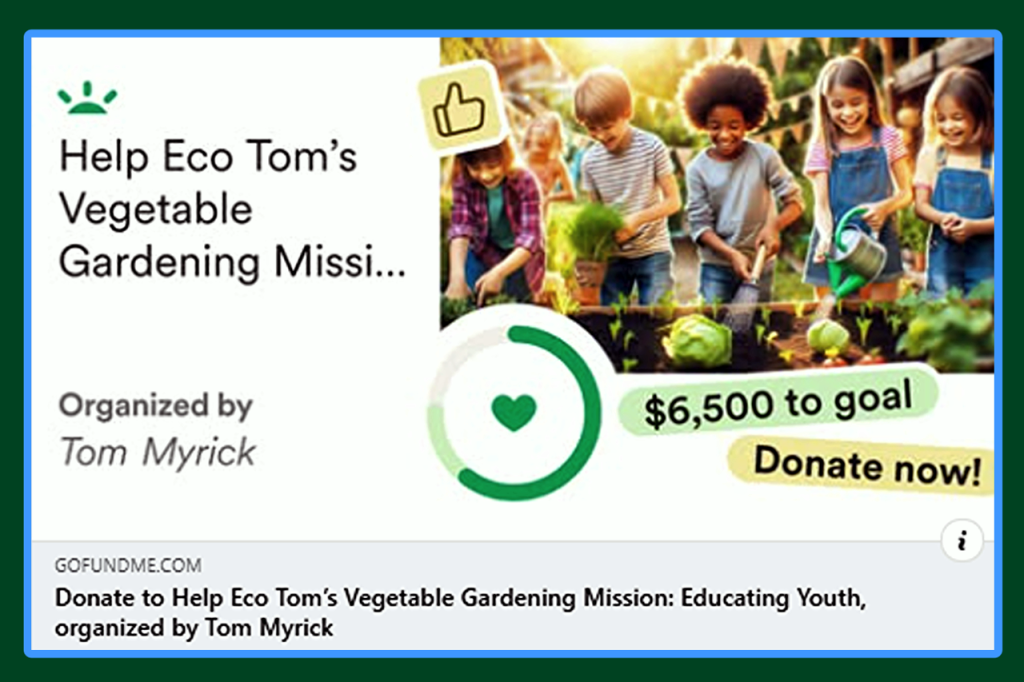
Eco Tom blends science with the heart of a gardener and encourages you to join him on his journey.
AI played a role in formulating this content, helping to refine and organize the information presented.
Eco Tom’s Sanctuary and UrbanGardening4u2Day.com represent a combined effort to promote and educate about sustainable gardening practices. The sanctuary acts as a practical demonstration site, while the website extends the reach through a variety of digital resources, blending real-world experiences with scientific knowledge.
Images: AI-Generated
Audio Deep Dive: AI-Generated based on user-provided sources and instructions
Eco Tom and Eco Tom’s Sanctuary is inspired by a real home garden and true-life experiences.
-The information provided on UrbanGardening4u2day.com is intended for general informational purposes only and is shared in good faith. We make no representations or warranties of any kind—whether express or implied—regarding the accuracy, adequacy, validity, reliability, availability, or completeness of any information on this website-
© Thomas Myrick 2025. All rights reserved


You must be logged in to post a comment.