Glossary of Key Terms
Sustainability: The ability to meet the needs of the present without compromising the ability of future generations to meet their own needs. In gardening, this refers to practices that minimize environmental impact and conserve resources.
Crop Rotation: The practice of planting different crops in a specific sequence on the same plot of land to improve soil health, manage pests and diseases, and optimize nutrient use.
Companion Planting: The strategic planting of different crops together to benefit one or both plants, such as by deterring pests, attracting pollinators, or providing support.
Heirloom Tomatoes: Open-pollinated tomato varieties that have been passed down through generations, known for their unique flavors, colors, and characteristics.
Drip Irrigation: A water-efficient irrigation system that delivers water directly to the roots of plants through a network of tubes and emitters.
No-Till Gardening: A method of cultivating crops without disturbing the soil through tilling or plowing, which helps to maintain soil structure and reduce erosion.
Organic Compost: Decomposed organic matter, such as food scraps and yard waste, used as a natural fertilizer and soil amendment.
Synthetic Fertilizers: Industrially produced fertilizers containing concentrated nutrients that can harm soil health and pollute waterways.
Pesticides: Chemicals used to kill or control pests, which can have harmful effects on the environment and human health.
Herbicides: Chemicals used to kill or control weeds, which can also have negative impacts on the environment and human health.
Biodiversity: The variety of life in a particular habitat or ecosystem, including plants, animals, and microorganisms. A diverse ecosystem is more resilient and better able to withstand environmental stressors.
Urban Garden: A garden located in an urban environment, often used to grow food and flowers in a limited space.
Raised Rows: A method of gardening where soil is formed into elevated rows or beds, typically for improved drainage and soil warming.
Overview:
This briefing outlines Eco Tom’s 2025 garden plan at Eco Tom’s Sanctuary, emphasizing a commitment to sustainable and productive urban gardening practices. The plan focuses on maximizing yield within a small space, promoting soil health through organic methods, and fostering a connection with nature. The Sanctuary, located in Chesapeake, VA, serves as a model for home gardeners interested in adopting environmentally conscious and efficient gardening techniques.
Key Themes and Ideas:
Sustainability and Organic Practices: The core philosophy revolves around sustainable gardening practices, prioritizing soil health, pest management, and weed reduction without synthetic chemicals. Eco Tom explicitly states, “We maintain a chemical-free environment, avoiding synthetic fertilizers, pesticides, and herbicides, which supports biodiversity and keeps our produce free from harmful substances.”
High-Yield Crop Selection: The garden plan prioritizes high-yield crops like heirloom tomatoes, zucchini, kale, and various beans, aiming to maximize the harvest within the limited space.
Small-Scale Urban Gardening: The garden operates within a relatively small space, with approximately 450 square feet dedicated to gardening on a property less than 3/4 of an acre. This demonstrates the potential for significant food production even in urban environments.
No-Till and Raised-Row System: The garden utilizes a no-till, raised-row system refined over a decade. This system promotes soil health by minimizing disturbance and improving drainage.
Crop Rotation and Companion Planting: The garden plan incorporates crop rotation and companion planting as strategic methods for pest management, soil health, and increased productivity. The area consists of two 20 by 10-foot sections containing two 10 by 10-foot plots organized by vegetable categories: root vegetables (carrots, beets), leafy greens (spinach, lettuce), legumes (beans, peas), and fruits (tomatoes, peppers).
Water Conservation: The use of an upgraded irrigation system with drip lines highlights a commitment to water conservation by delivering moisture directly to the roots.
Soil Enrichment with Organic Compost: The practice of enriching garden rows with organic compost in winter serves as a natural fertilizer, contributing to healthy plant growth and reducing the need for synthetic alternatives.
Community and Education: Eco Tom intends to share updates, tips for home gardening, and the benefits of the chosen crops, aiming to foster a deeper connection to nature and an appreciation for local, organic food. As Eco Tom states, “Together, let’s foster a deeper connection to nature and appreciate the value of local, organic food.”
FAQ: Eco Tom’s Sustainable Garden
What are the key principles behind Eco Tom’s gardening approach?
Eco Tom’s gardening philosophy centers around sustainability, organic practices, and maximizing productivity in a small urban space. Key principles include no-till gardening, using raised rows, enriching the soil with organic compost, avoiding synthetic chemicals (fertilizers, pesticides, herbicides), practicing crop rotation, and incorporating companion planting. The goal is to foster a healthy ecosystem, enhance soil health, manage pests naturally, and grow healthy, local food.
What types of crops are being grown in the Veggie-Bed garden for the 2025 growing season?
The Veggie-Bed garden emphasizes high-yield crops. The 2025 plan includes a variety of vegetables, such as heirloom tomatoes, zucchini, kale, and various types of beans. This selection aims to provide a diverse and bountiful harvest.
How is the Veggie-Bed garden laid out and organized?
The garden is designed to maximize growing potential within a compact urban setting. The 450 square foot garden is divided into two 20 by 10-foot sections, each further split into two 10 by 10-foot plots. These plots are then organized by vegetable categories: root vegetables (carrots, beets), leafy greens (spinach, lettuce), legumes (beans, peas), and fruits (tomatoes, peppers). The use of raised rows contributes to this efficient and organized layout.
How does Eco Tom ensure efficient water usage in the garden?
Water conservation is a priority. Eco Tom utilizes an upgraded irrigation system with drip lines. This system delivers water directly to the roots of the plants, minimizing water waste through evaporation and runoff, and ensuring that the plants receive the necessary moisture for healthy growth.
What is the role of compost in Eco Tom’s garden?
Organic compost plays a crucial role in maintaining soil health and fertility. During the winter months, the garden rows are enriched with organic compost derived from Eco Tom’s compost pile. This acts as a natural fertilizer, providing essential nutrients that promote healthy plant growth throughout the growing season.
How does Eco Tom manage pests and weeds in the garden without using chemicals?
Eco Tom’s garden is committed to maintaining a chemical-free environment. Synthetic pesticides and herbicides are avoided entirely. Instead, a combination of sustainable practices, such as promoting biodiversity (which attracts beneficial insects), crop rotation, and companion planting, is used to naturally manage pests and weeds, maintaining a balanced ecosystem within the garden.
Why is a no-till gardening method chosen for this garden?
The no-till method is selected for its positive impacts on soil health. By avoiding tilling, the soil structure remains intact, which reduces erosion, helps retain moisture, and promotes a healthy soil food web. It allows for the undisturbed development of beneficial microorganisms and fungi that are essential for plant growth.
What is the ultimate goal of Eco Tom’s gardening practices?
The overarching goal is to nurture both the crops and the surrounding ecosystem through sustainable and organic practices. Eco Tom aims to foster a deeper connection to nature and to promote the value of local, organic food. Sharing gardening tips and updates is part of this mission, encouraging others to adopt similar sustainable practices.
Knowledge Check Quiz
Answer the following questions in 2-3 sentences each.
- What sustainable practices does Eco Tom employ to manage pests in the garden?
- What is the size of the garden area dedicated to growing crops?
- How does Eco Tom’s Sanctuary enhance soil health?
- What is the significance of using heirloom tomatoes in the garden?
- Describe the layout of the garden plots and how they are categorized.
- What are the benefits of using a drip irrigation system?
- What is meant by “no-till” gardening?
- Explain how Eco Tom enriches the soil during the winter months.
- How does Eco Tom ensure the crops are free from harmful substances?
- What is Eco Tom’s overall goal or mission for the garden?
Answer Key - Eco Tom manages pests through sustainable practices, likely including companion planting, crop rotation, and attracting beneficial insects, all while maintaining a chemical-free environment. These methods help to naturally control pest populations and minimize damage to crops.
- Eco Tom’s Sanctuary dedicates approximately 450 square feet of its backyard, which is less than 3/4 of an acre, to gardening. This space is utilized efficiently to maximize the yield from the garden.
- Eco Tom’s Sanctuary enhances soil health by employing no-till methods, using organic compost as a natural fertilizer, and avoiding synthetic chemicals. These practices promote a healthy soil ecosystem, improving fertility and structure.
- Using heirloom tomatoes in the garden ensures genetic diversity and preserves unique flavors and characteristics. Heirloom varieties often have a richer taste compared to commercially bred tomatoes and are well-suited to organic growing practices.
- The garden is divided into two 20 by 10-foot sections, each containing two 10 by 10-foot plots. These plots are organized by vegetable categories, including root vegetables, leafy greens, legumes, and fruits, which facilitates crop rotation and efficient management.
- Drip irrigation conserves water by delivering it directly to the roots of the plants, reducing evaporation and water waste. This system ensures that plants receive the necessary moisture while using water resources efficiently.
- “No-till” gardening involves cultivating crops without disturbing the soil through tilling or plowing. This practice helps to maintain soil structure, reduce erosion, and preserve beneficial soil organisms.
- During the winter months, Eco Tom enriches the soil by adding organic compost from their compost pile. This compost serves as a natural fertilizer, providing essential nutrients that promote healthy plant growth in the upcoming season.
- Eco Tom ensures the crops are free from harmful substances by maintaining a chemical-free environment. They avoid using synthetic fertilizers, pesticides, and herbicides, which supports biodiversity and produces safe, organic food.
- Eco Tom’s overall goal is to nurture crops and the surrounding ecosystem through sustainable practices. They aim to foster a deeper connection to nature and promote the value of local, organic food within their community.
Essay Questions
Consider the following essay questions and develop well-supported arguments.
• Analyze the sustainability practices implemented at Eco Tom’s Sanctuary and evaluate their effectiveness in promoting environmental stewardship.
• Discuss the benefits of using organic and no-till gardening methods compared to conventional farming practices, referencing examples from Eco Tom’s garden.
• Explain how urban gardens like Eco Tom’s Sanctuary contribute to local food systems and community resilience.
• Describe the role of biodiversity in a healthy garden ecosystem, citing specific examples from Eco Tom’s practices.
• Critically assess the potential challenges and limitations of implementing sustainable gardening practices on a larger scale.
Garden Details
Location: Western Branch area of Chesapeake, VA
Garden Size: Less than 3/4 of an acre property, with approximately 450 square feet dedicated to gardening.
System: No-till, raised-row, organic system.
Key Crops: Heirloom tomatoes, zucchini, kale, and various beans.
Fertilizer: Organic compost.
Conclusion: Eco Tom’s Veggie-Bed garden plan serves as a practical example of how sustainable and productive gardening can be achieved in an urban setting. The focus on organic practices, efficient use of space, and community engagement positions Eco Tom’s Sanctuary as a valuable resource for aspiring home gardeners seeking to maximize their yield while minimizing their environmental impact.
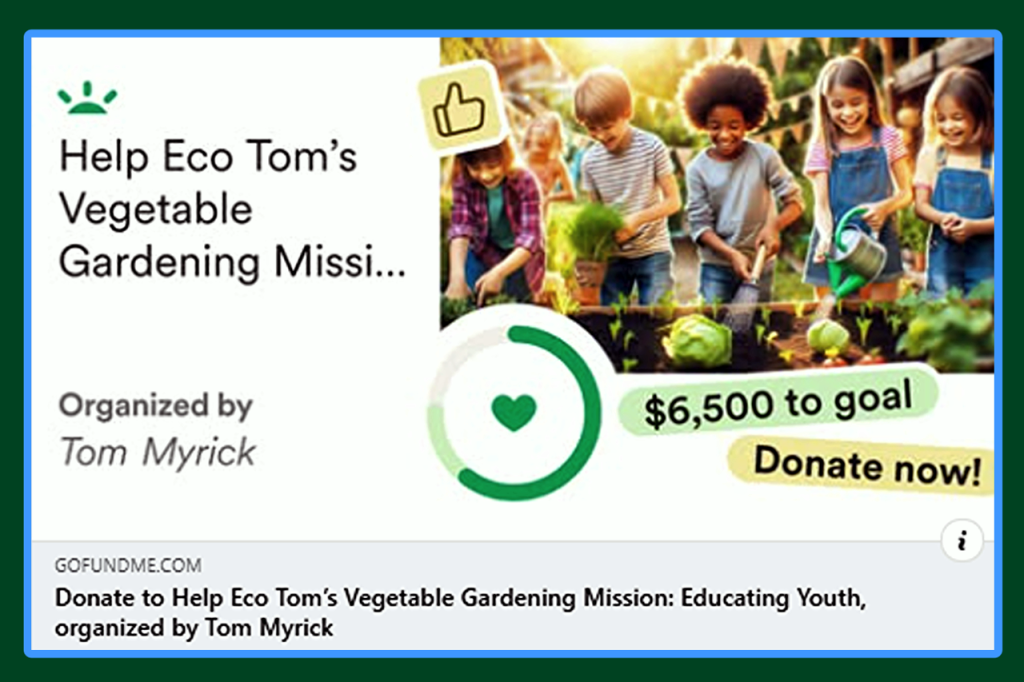
Eco Tom blends science with the heart of a gardener and encourages you to join him on his journey.
AI played a role in formulating this content, helping to refine and organize the information presented.
Eco Tom’s Sanctuary and UrbanGardening4u2Day.com represent a combined effort to promote and educate about sustainable gardening practices. The sanctuary acts as a practical demonstration site, while the website extends the reach through a variety of digital resources, blending real-world experiences with scientific knowledge.
Images: AI-Generated
Audio Deep Dive: AI-Generated based on user-provided sources and instructions
Eco Tom and Eco Tom’s Sanctuary is inspired by a real home garden and true-life experiences.
-The information provided on UrbanGardening4u2day.com is intended for general informational purposes only and is shared in good faith. We make no representations or warranties of any kind—whether express or implied—regarding the accuracy, adequacy, validity, reliability, availability, or completeness of any information on this website-
© Thomas Myrick 2025. All rights reserved


You must be logged in to post a comment.