What are the key differences between determinate and indeterminate tomatoes?
Determinate tomatoes grow to a fixed height and produce their fruit all at once, typically in a concentrated batch. Indeterminate tomatoes, on the other hand, continue to grow and produce fruit throughout the entire season, yielding a gradual supply. This impacts everything from their size and support needs to how and when they are harvested.
Why is understanding these differences important for home gardeners?
Knowing whether a tomato variety is determinate or indeterminate is crucial for successful gardening because it dictates planning, growing, and harvesting strategies. It affects the space required, the type of support needed, pruning methods, and how the fruit will be used (e.g., for a single large harvest for sauce vs. a continuous supply for fresh eating).
What are the ideal uses for determinate tomatoes?
Determinate tomatoes are best suited for situations where a large, concentrated harvest is desired. This makes them perfect for canning, preserving, or making sauces, as all the fruit ripens around the same time, allowing for efficient processing.
How are indeterminate tomatoes best utilized?
Indeterminate tomatoes provide a steady supply of fresh fruit over an extended period. This makes them ideal for ongoing use in salads, sandwiches, and other dishes where a continuous harvest is preferred rather than a single large batch.
What kind of support is needed for each type of tomato?
Determinate tomatoes are more compact and bushy, often requiring minimal support, such as simple cages or stakes to keep them upright. Indeterminate tomatoes grow tall and vine-like, necessitating robust support structures like tall stakes, trellises, or cages to manage their continuous growth.
What are the key care differences between determinate and indeterminate tomatoes?
Caring for determinate tomatoes involves avoiding excessive pruning, using cages or stakes, watering deeply but infrequently, and applying fertilizer early on. For indeterminate tomatoes, key practices include removing suckers to improve airflow, providing tall support, fertilizing throughout the season, keeping the soil evenly moist, and picking ripe fruit regularly to encourage more production.
Why might a gardener choose to grow both determinate and indeterminate tomato varieties?
Growing both types allows gardeners to enjoy the benefits of both growth habits. Determinate varieties provide an early-season bulk harvest for processing, while indeterminate varieties offer a long season of fresh tomatoes for ongoing enjoyment. This approach balances different culinary needs and ensures a continuous supply of tomatoes.
What is the “Veggie-Bed” at Eco Tom’s Sanctuary and how do these tomato types fit into it?
The “Veggie-Bed” at Eco Tom’s Sanctuary is a no-till raised row organic vegetable garden. Due to their compact nature, determinate tomatoes are considered ideal for small spaces and container gardening within the Veggie-Bed context. Indeterminate varieties, which require more space and vertical support, are typically grown in the ground, complementing the Veggie-Bed setup by utilizing available garden space effectively.
Tomato Types: A Study Guide
Quiz
1. What is the primary focus of the website UrbanGardening4u2day.com?
2. What is the name of the location described as a small and quaint thriving ecosystem?
3. What is the ‘Veggie-Bed’ and what are its key characteristics?
4. Why is understanding the difference between determinate and indeterminate tomatoes important for home gardeners?
5. What is the main growth difference between determinate and indeterminate tomatoes?
6. How does fruit production differ between determinate and indeterminate tomato varieties?
7. Why are determinate tomatoes considered a simpler choice for gardeners who prefer low maintenance?
8. According to the text, what are determinate tomatoes best used for?
9. What is the recommended watering approach for determinate tomatoes?
10. What is a recommended care tip for indeterminate tomatoes to improve airflow and direct energy towards fruit production?
Quiz Answer Key
1. The primary focus of UrbanGardening4u2day.com is on sustainable gardening practices and promoting vegetable gardening.
2. The location described as a small and quaint thriving ecosystem is called Eco Tom’s Sanctuary.
3. The ‘Veggie-Bed’ is a no-till raised row organic vegetable garden. Its key characteristics are that it is no-till, raised row, and organic.
4. Understanding the difference is important because it directly affects how gardeners plan, grow, and harvest their tomato crops.
5. Determinate tomatoes grow to a fixed height and stop, while indeterminate tomatoes continue growing and producing fruit throughout the season.
6. Determinate varieties produce all their fruit at once, while indeterminate varieties yield fruit gradually over time.
7. Determinate tomatoes are more compact and bushy, requiring less frequent maintenance compared to indeterminate types.
8. Determinate tomatoes are best used for large harvests intended for sauces or canning.
9. The recommended watering approach for determinate tomatoes is to water deeply but infrequently to encourage strong root development.
10. A recommended care tip is to remove suckers (small shoots between the main stem and branches) to improve airflow and direct energy towards fruit production.
Essay Questions
Analyze how the distinct growth habits of determinate and indeterminate tomatoes influence specific gardening practices at Eco Tom’s Sanctuary, as described in the text.
Discuss the benefits of growing both determinate and indeterminate tomato varieties, considering both culinary uses and the timing of harvests throughout the season.
Compare and contrast the recommended care tips for determinate and indeterminate tomatoes, explaining why different approaches are necessary for each type.
Evaluate the role of support structures (cages, stakes, trellises) in cultivating both determinate and indeterminate tomatoes, explaining the necessity of such structures for each variety.
Explain how selecting the “right” tomato variety, based on its type (determinate or indeterminate), can contribute to successful gardening outcomes based on available space and desired culinary goals.
Glossary of Key Terms
UrbanGardening4u2day.com: A website focused on sustainable gardening practices and promoting vegetable gardening, featuring a blog/audio overviews with botanical information and experiences at Eco Tom’s Sanctuary.
Eco Tom’s Sanctuary: A small, suburban thriving ecosystem combining nature and innovative gardening practices, also home to the Veggie-Bed.
Veggie-Bed: A specific type of garden at Eco Tom’s Sanctuary characterized as a no-till, raised row, organic vegetable garden.
Determinate Tomatoes: Tomato varieties that grow to a fixed height, are compact and bushy, produce all their fruit at once, and are generally lower maintenance.
Indeterminate Tomatoes: Tomato varieties that continue growing and producing fruit throughout the season, require more space and vertical support, and yield fruit gradually.
No-Till: A gardening practice that avoids disturbing the soil through plowing or tilling, aiming to improve soil health.
Raised Row: A gardening method where soil is mounded into elevated rows, often used in conjunction with paths between the rows.
Organic Vegetable Garden: A garden that grows vegetables using only organic methods and materials, avoiding synthetic fertilizers and pesticides.
Suckers: Small shoots that grow in the crotch (angle) between the main stem and a branch of a tomato plant.
Blossom-End Rot: A common plant disorder characterized by a dark, leathery spot on the bottom of the fruit, often caused by inconsistent watering and calcium deficiency.
Briefing Document: Choosing the Right Tomato: Determinate or Indeterminate?
Source: “Choosing the Right Tomato: Determinate or Indeterminate?” by Eco Tom, published on UrbanGardening4u2day.com.
Author: Eco Tom, a gardener who blends science with practical experience.
Publication Focus: Sustainable gardening practices, promoting vegetable gardening, botanical information, and shared gardening experiences. The website features the “Veggie-Bed,” a no-till raised row organic vegetable garden located at “Eco Tom’s Sanctuary.”
Overview: This article provides essential information for home gardeners on the key differences between determinate and indeterminate tomato varieties and how these distinctions influence gardening practices, particularly within the context of the “Veggie-Bed” at Eco Tom’s Sanctuary.
Main Themes and Important Ideas:
The Importance of Understanding Tomato Growth Habits: The article emphasizes that knowing the difference between determinate and indeterminate tomatoes is crucial for successful gardening, impacting planning, growing, and harvesting. As the author states, “Understanding the difference between determinate and indeterminate tomatoes is essential for home gardeners, as it directly affects how they plan, grow, and harvest their crops.”
Distinct Growth Habits and Space Requirements: Determinate Tomatoes: Grow to a fixed height, are compact and bushy. They are ideal for small spaces and container gardening due to their limited growth.
Indeterminate Tomatoes: Exhibit continuous growth and production throughout the season. They require more space and robust vertical support due to their sprawling nature.
Different Fruit Production Patterns and Uses:Determinate Tomatoes: Produce a concentrated batch of fruit that ripens all at once. This makes them “ideal for canning and preserving” and are specifically grown at Eco Tom’s Sanctuary “for producing a concentrated batch perfect for making delicious sauce.”
Indeterminate Tomatoes: Yield fruit gradually over a longer period. This provides a “steady supply for fresh eating” and are picked periodically at the Sanctuary “to provide a steady supply of fresh tomatoes for salads, sandwiches, and other dishes.”
Varying Support and Maintenance Needs: Determinate Tomatoes: Generally require minimal support, often just cages or stakes to keep plants upright. They also need “less frequent maintenance, making them a simpler choice for gardeners who prefer a low-maintenance option.” Avoid excessive pruning.
Indeterminate Tomatoes: Require significant support structures like “tall stakes, trellises, or cages to support continuous growth.” They also benefit from consistent pruning, specifically the removal of suckers, to manage height and “direct energy toward fruit production.”
Tailored Care Approaches: The article provides specific care tips for each type:
Determinate: Avoid excessive pruning, use cages/stakes, water deeply but infrequently, apply balanced fertilizer early (reduce nitrogen later), and plan for preservation.
Indeterminate: Remove suckers, use tall support, apply fertilizer throughout the season, keep soil evenly moist to prevent blossom-end rot, and pick ripe tomatoes regularly.
Balancing Harvest Types: Growing both determinate and indeterminate varieties allows gardeners to achieve a balance between early, bulk harvests (for sauces/canning) and a continuous supply of fresh tomatoes throughout the season.
Eco Tom’s Philosophy: Eco Tom emphasizes that selecting the right tomato variety ensures the garden thrives and meets culinary desires while fitting available space. As he is quoted saying, “Whether we’re gearing up for a bountiful sauce-making session or savoring fresh tomatoes straight from the vine, selecting the right variety ensures our garden thrives.”
Key Facts and Quotes:
“Understanding the difference between determinate and indeterminate tomatoes is essential for home gardeners, as it directly affects how they plan, grow, and harvest their crops.”
Determinate tomatoes are “ideal for small spaces and container gardening.”
Indeterminate varieties “require more room and vertical support.”
Determinate tomatoes are grown at Eco Tom’s Sanctuary “for producing a concentrated batch perfect for making delicious sauce.”
Indeterminate varieties are picked “periodically throughout the season to provide a steady supply of fresh tomatoes for salads, sandwiches, and other dishes.”
Determinate tomatoes are “ideal for canning and preserving.”
Indeterminate varieties “yield fruit gradually, providing a steady supply for fresh eating.”
Determinate tomatoes are “more compact and bushier, often requiring minimal support.”
Indeterminate tomatoes “grow tall and need staking or trellising.”
“Avoid excessive pruning, as determinate tomatoes grow to a set height and produce fruit all at once.”
“Remove suckers (small shoots between the main stem and branches) to improve airflow and direct energy toward fruit production.”
“Whether we’re gearing up for a bountiful sauce-making session or savoring fresh tomatoes straight from the vine, selecting the right variety ensures our garden thrives.”
Context of Eco Tom’s Sanctuary: The article uses the practices at Eco Tom’s Sanctuary, specifically within the Veggie-Bed, as a practical example of how understanding these tomato types informs gardening decisions in a real-world setting focused on organic, sustainable practices.
Conclusion: The article provides a clear and concise comparison of determinate and indeterminate tomatoes, highlighting their key differences in growth, production, support needs, and best uses. It underscores the value of understanding these distinctions for successful home gardening, enabling gardeners to choose varieties that align with their space, desired harvest, and gardening style.
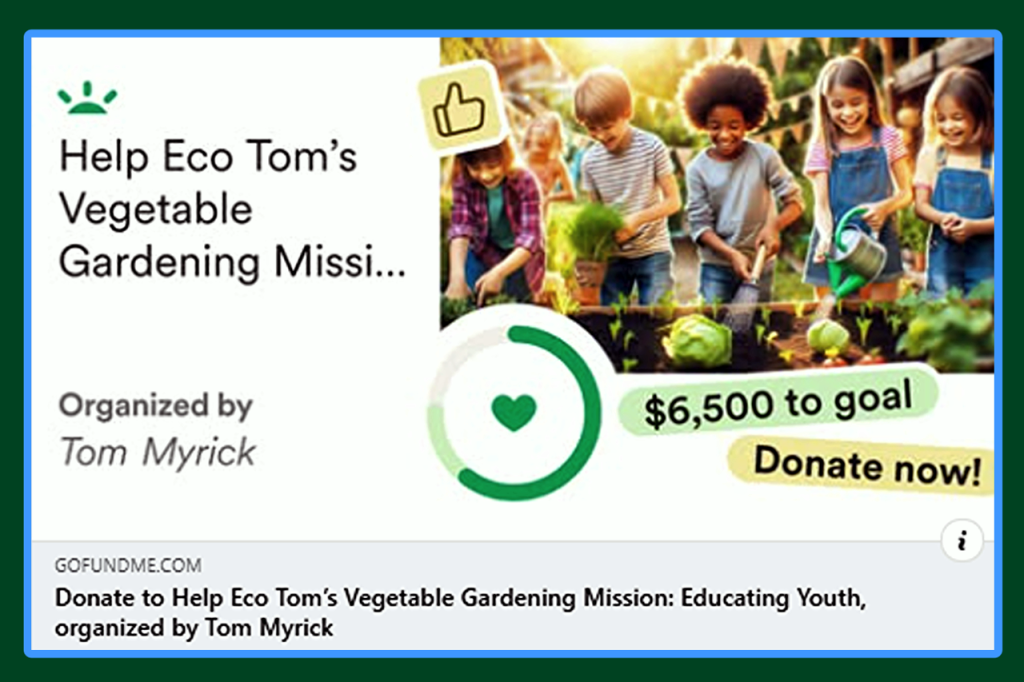
Eco Tom blends science with the heart of a gardener and encourages you to join him on his journey.
AI played a role in formulating this content, helping to refine and organize the information presented.
Eco Tom’s Sanctuary and UrbanGardening4u2Day.com represent a combined effort to promote and educate about sustainable gardening practices. The sanctuary acts as a practical demonstration site, while the website extends the reach through a variety of digital resources, blending real-world experiences with scientific knowledge.
Images: AI-Generated
Audio Deep Dive: AI-Generated based on user-provided sources and instructions
Eco Tom and Eco Tom’s Sanctuary is inspired by a real home garden and true-life experiences.
-The information provided on UrbanGardening4u2day.com is intended for general informational purposes only and is shared in good faith. We make no representations or warranties of any kind—whether express or implied—regarding the accuracy, adequacy, validity, reliability, availability, or completeness of any information on this website-
© Thomas Myrick 2025. All rights reserved


You must be logged in to post a comment.