Glossary of Key Terms
Larvae: The immature, wingless, feeding stage of insect metamorphosis after hatching from the egg; in the case of butterflies, this stage is also called a caterpillar.
Pupa (Chrysalis): The transformation stage in the life cycle of some insects, including butterflies, during which the larva undergoes metamorphosis into the adult form.
Diurnal: Active during the daytime.
Brassicaceae: A family of flowering plants, also known as cruciferous vegetables, which includes cabbage, broccoli, kale, and other related species. These are the primary host plants for cabbage butterfly larvae.
Host Plant: A plant species that is used by a particular insect larva for food and development.
Voracious: Having a very large appetite; excessively eager to eat.
Insecticidal Soap: A type of insecticide made from potassium salts of fatty acids, used to control various insect pests by disrupting their cell membranes. It is often used in organic gardening.
Biological Control Agents: Natural enemies of pests (e.g., predators, parasites, pathogens) that are introduced or encouraged to help manage pest populations.
Parasitic Wasps: A type of wasp whose larvae develop as parasites on or inside other arthropods, eventually killing the host. Some species are beneficial for controlling garden pests.
Cultural Practices (in gardening): Routine gardening activities and techniques that can help prevent or manage pests and diseases, such as crop rotation, proper watering, and weeding.
Crop Rotation: The practice of planting different crops sequentially on the same plot of land to improve soil health and disrupt pest and disease cycles.
Protective Netting: Fine mesh netting used to cover plants, creating a physical barrier that prevents pests from accessing them.
Nectar: A sugary fluid produced by flowers to attract pollinators.
Pollination: The transfer of pollen from the male part of a flower to the female part, enabling fertilization and the production of seeds. Butterflies can contribute to this process.
Sustainable Gardening: Gardening practices that aim to conserve resources, minimize environmental impact, and maintain a healthy ecosystem.
Organic Vegetable Garden: A garden where vegetables are grown using methods that avoid synthetic pesticides, herbicides, and fertilizers.
Frequently Asked Questions about Cabbage Worms
Q1: What exactly are cabbage worms, and why are they a problem for vegetable gardeners? Cabbage worms are the larvae (caterpillars) of the cabbage butterfly (Pieris rapae). Despite their name, they are not actually worms. They are a significant problem for vegetable gardeners, particularly those growing plants in the Brassicaceae family, such as broccoli, kale, and cabbage. These larvae have a voracious appetite and feed on the leaves of these plants, often causing substantial damage that can decimate crops.
Q2: How can I identify the cabbage butterfly and its life cycle stages? The adult cabbage butterfly is a small to medium-sized butterfly easily recognized by its white wings with black spots. They are diurnal, active during the daytime, and have a fluttering flight. Their life cycle consists of four stages: egg, larva (caterpillar), pupa (chrysalis), and adult. Female butterflies lay their eggs on the underside of host plant leaves. The eggs hatch into green caterpillars (cabbage worms) that feed and grow. Once mature, the caterpillar forms a chrysalis (pupa), from which the adult butterfly eventually emerges. The cycle can repeat several times a year, especially in warmer climates.
Q3: What types of plants are most susceptible to cabbage worm damage? Cabbage worms primarily target plants belonging to the Brassicaceae family, also known as cruciferous vegetables. Common examples include cabbage, broccoli, kale, cauliflower, Brussels sprouts, and other leafy greens in this plant family.
Q4: What natural and organic methods can be used to control cabbage worms in a garden? There are several natural and organic methods to control cabbage worms. Insecticidal soaps designed for organic gardening can help target adult butterflies and their larvae. Biological control agents, such as beneficial parasitic wasps, can be introduced to prey on cabbage butterflies. Cultural practices like crop rotation can disrupt the pest’s life cycle. Physical barriers, such as protective netting placed over vulnerable plants, can prevent adult butterflies from laying eggs on the leaves.
Q5: How do insecticidal soaps work against cabbage worms, and how should they be used? Insecticidal soaps work by disrupting the outer layer of the cabbage worms (larvae) and adult butterflies, leading to dehydration and death. For effective use, the soap solution needs to come into direct contact with the pests. It’s important to follow the specific instructions on the product label regarding dilution and application frequency. Typically, you would spray the affected plants thoroughly, ensuring coverage on both the upper and lower sides of the leaves where eggs and larvae are often found.
Q6: What are beneficial parasitic wasps, and how do they help control cabbage worms? Beneficial parasitic wasps are natural enemies of cabbage butterflies. These tiny wasps lay their eggs inside the eggs or larvae of cabbage worms. When the wasp eggs hatch, the larvae feed on the host, eventually killing it. Introducing these beneficial insects to the garden can be an effective way to naturally keep cabbage worm populations in check without the need for chemical pesticides.
Q7: How does crop rotation help in managing cabbage worm infestations? Crop rotation involves changing the location of different plant families in your garden from one growing season to the next. By not planting Brassica family vegetables in the same spot year after year, you can disrupt the life cycle of pests like cabbage worms that may overwinter in the soil or whose pupae might be present. This makes it harder for them to find their preferred host plants and reduces the likelihood of severe infestations.
Q8: How effective is using protective netting against cabbage butterflies, and how should it be implemented? Protective netting, such as fine mesh row covers, can be a very effective physical barrier against cabbage butterflies. The netting is placed over hoops or frames, completely enclosing the susceptible plants. This prevents adult butterflies from reaching the leaves to lay their eggs, thus breaking the life cycle before it even begins. The netting should be installed before the butterflies become active in the spring and should remain in place throughout the period when the plants are vulnerable. Ensure the edges of the netting are securely anchored to the ground to prevent butterflies from finding their way underneath.
Cabbage Worms: Lifecycles and Natural Remedies – Study Guide
Quiz
- Although commonly called cabbage worms, what are these pests actually? What is their scientific name, and what visually distinguishes the adult form of this pest?
- Describe the feeding habits of cabbage worm larvae and the specific plant family they primarily target. Why are they considered a significant threat to vegetable gardens?
- Outline the four stages of the cabbage butterfly life cycle. On which part of the host plant are the eggs typically laid?
- According to the article, what is one method used at Eco Tom’s Sanctuary for immediate control of cabbage butterfly adults and larvae? How does this method work?
- Explain the concept of biological control as described in the text for managing cabbage worms. Provide an example of a beneficial organism used for this purpose.
- Describe how crop rotation, as a cultural practice, can help in managing cabbage butterfly populations in a garden like the Veggie-Bed.
- What is the purpose of using protective netting in the Veggie-Bed to combat cabbage butterflies? How does this physical barrier help?
- What is the primary food source for adult cabbage butterflies? What role do they play in the ecosystem as a result of this feeding habit?
- What is the name of the website and the specific type of garden featured where Eco Tom’s experiences with cabbage worms are documented? What are the key focuses of this website?
- What is Eco Tom’s overall philosophy regarding gardening practices, as implied in the article? How does this philosophy guide his approach to pest management?
Answer Key
- Cabbage worms are the larvae (caterpillars) of the cabbage butterfly. Their scientific name is Pieris rapae, and the adult form is easily recognized by its white wings adorned with black spots.
- Cabbage worm larvae feed voraciously on the leaves of plants in the Brassicaceae family (like cabbage, broccoli, and kale). They are a significant threat because their extensive feeding can decimate leafy vegetable crops, reducing yields or destroying the plants entirely.
- The four stages of the cabbage butterfly life cycle are egg, larva (caterpillar), pupa (chrysalis), and adult. The female butterfly typically lays her eggs on the undersides of the leaves of host plants.
- One method used is insecticidal soaps for organic gardening. These soaps help reduce the immediate threat by directly targeting and killing adult butterflies and their larvae upon contact.
- Biological control involves using natural enemies to manage pest populations. In this case, beneficial parasitic wasps are introduced, which prey on cabbage butterflies, helping to keep their numbers under control in the Veggie-Bed.
- Crop rotation involves changing the type of crop planted in a specific area each season. This practice can disrupt the life cycle of cabbage butterflies by removing their primary host plants from a location, minimizing their chances of establishing and causing damage year after year.
- Protective netting acts as a physical barrier, preventing adult cabbage butterflies from landing on the vegetable plants and laying their eggs. This directly reduces the number of larvae that will hatch and feed on the crops.
- Adult cabbage butterflies primarily feed on nectar from a variety of flowers. As they move from flower to flower to feed, they contribute to pollination, playing a beneficial role in the broader ecosystem.
- The website is ‘UrbanGardening4u2day.com,’ and the specific type of garden featured is the ‘Veggie-Bed,’ a no-till raised row organic vegetable garden located within ‘Eco Tom’s Sanctuary.’ The website focuses on sustainable gardening practices and promoting vegetable gardening.
- Eco Tom’s philosophy emphasizes blending science with practical gardening experience and a commitment to sustainable practices. This guides his approach to pest management by prioritizing environmentally friendly methods that protect plants while maintaining a balanced ecosystem.
Essay Format Questions
Discuss the lifecycle of the cabbage butterfly (Pieris rapae) in detail, emphasizing the stage that causes the most damage to vegetable crops and explaining why. Consider the adaptability of this species and its global distribution.
Evaluate the effectiveness of the multi-faceted approach to cabbage worm management employed at Eco Tom’s Sanctuary. Analyze the benefits and potential drawbacks of using insecticidal soaps, biological controls, and cultural practices like crop rotation in an organic gardening context.
Explore the concept of sustainable gardening as it is presented in the foreword and exemplified in Eco Tom’s methods for dealing with cabbage worms. How does this approach balance the need for pest control with environmental responsibility?
Compare and contrast the roles of the larval and adult stages of the cabbage butterfly in the garden ecosystem. How do their different feeding habits impact both the gardener and the wider environment?
Based on the information provided, outline a comprehensive strategy for a home gardener to manage cabbage worms organically. Integrate at least three distinct methods discussed in the article and explain the rationale behind their combined use.
Briefing Document: Cabbage Worms – Lifecycles and Natural Remedies
Source: Excerpts from “Cabbage Worms: Lifecycles and Natural Remedies” by Eco Tom for UrbanGardening4u2day.com.
Date: October 26, 2023 (based on the request)
Prepared For: [Intended Audience – Gardening Enthusiasts]
Overview:
This briefing document summarizes the key information and recommendations presented in Eco Tom’s article on managing cabbage worms, the larval stage of the cabbage butterfly (Pieris rapae). The article emphasizes sustainable gardening practices employed at ‘Eco Tom’s Sanctuary’ and the ‘Veggie-Bed,’ a no-till raised row organic vegetable garden. The main themes revolve around understanding the cabbage butterfly’s lifecycle and implementing natural and organic methods to control the destructive cabbage worms.
Main Themes and Important Ideas/Facts:
- Introduction to the Problem:
The article identifies cabbage worms (caterpillars of the cabbage butterfly) as a significant pest for leafy vegetables in the Brassicaceae family, including broccoli, kale, and cabbage.
Eco Tom highlights the voracious appetite of these larvae and their potential to “decimate” crops.
The article aims to educate readers on the lifecycle of the cabbage butterfly and provide natural remedies for control, as practiced at ‘Eco Tom’s Sanctuary.’
- Understanding the Cabbage Butterfly:
Scientific Identification: The cabbage butterfly is scientifically known as Pieris rapae.
Physical Characteristics: It is described as a “small to medium-sized butterfly commonly found in many parts of the world” with “white wings adorned with black spots.”
Habitat and Distribution: These butterflies are adaptable and found in various habitats, including gardens, fields, meadows, and urban areas, particularly in temperate climates across Europe, Asia, North America, and North Africa.
Behavior: They are diurnal, active during the daytime, known for their “fluttering flight” and sun-basking behavior.
Reproduction: The reproduction cycle is rapid, with “several generations produced yearly, especially in warmer climates.”
- The Four-Stage Lifecycle:
The article details the four stages of the cabbage butterfly’s lifecycle:
Egg: Female butterflies lay eggs on the leaves of host plants (Brassicaceae family).
Larva (Caterpillar/Cabbage Worm): The eggs hatch into green caterpillars (mistakenly called worms) that “feed voraciously on the leaves, causing significant damage to crops.”
Pupa (Chrysalis): After reaching maturity, the caterpillar forms a chrysalis.
Adult: The adult butterfly emerges from the chrysalis. Adult butterflies primarily feed on nectar and contribute to pollination.
- Natural and Organic Control Strategies at Eco Tom’s Sanctuary:
Eco Tom emphasizes a “multifaceted approach” to managing cabbage butterfly populations in the ‘Veggie-Bed.’
Insecticidal Soaps (for organic gardening): These are used to “help reduce the immediate threat by targeting adult butterflies and their larvae.”
Biological Control Agents: The introduction of “beneficial parasitic wasps that prey on cabbage butterflies” is employed to naturally keep their numbers in check. This demonstrates harnessing “the power of nature.”
Cultural Practices (Crop Rotation): Implementing “thoughtful cultural practices, such as crop rotation,” helps to “disrupt the life cycle of the pests and minimize their chances of returning year after year.”
Physical Barriers (Protective Netting): “Protective netting is also employed to create a physical barrier, shielding our plants from being laid upon by adult butterflies.”
- Eco Tom’s Philosophy and Goals:
Eco Tom, described as someone who “blends science with the heart of a gardener,” advocates for sustainable gardening practices.
‘Urban Gardening 4u2day’ and ‘Eco Tom’s Sanctuary’ (including the ‘Veggie-Bed’) serve as examples of these practices in action.
The ultimate goal is to “protect our plants while maintaining a balanced ecosystem” and to “continue to enjoy bountiful harvests” despite pest challenges.
Key Quotes:
“Have you ever planted leafy vegetables such as broccoli, kale, and cabbage, only to have them decimated by the cabbage butterfly’s larvae, commonly called cabbage worms?” (Highlights the problem).
“Despite the name, they aren’t worms; they’re caterpillars.” (Clarifies the correct identification of the pest).
“We use different strategies at Eco Tom’s Sanctuary to combat these nasty little pests that invade our Veggie-Bed.” (Introduces the focus on solutions).
“At Eco Tom’s Sanctuary, our commitment to sustainable gardening practices allows us to protect our plants while maintaining a balanced ecosystem.” (Articulates the core philosophy).
Conclusion:
Eco Tom’s article provides a practical guide to understanding and managing cabbage worms through natural and organic methods. By detailing the lifecycle of the cabbage butterfly and outlining the integrated pest management strategies employed at ‘Eco Tom’s Sanctuary,’ the article offers valuable insights for urban gardeners seeking sustainable solutions to protect their leafy green crops. The emphasis on biological control, cultural practices, and physical barriers, alongside organic insecticidal soaps, demonstrates a holistic approach to maintaining a healthy and productive garden ecosystem.
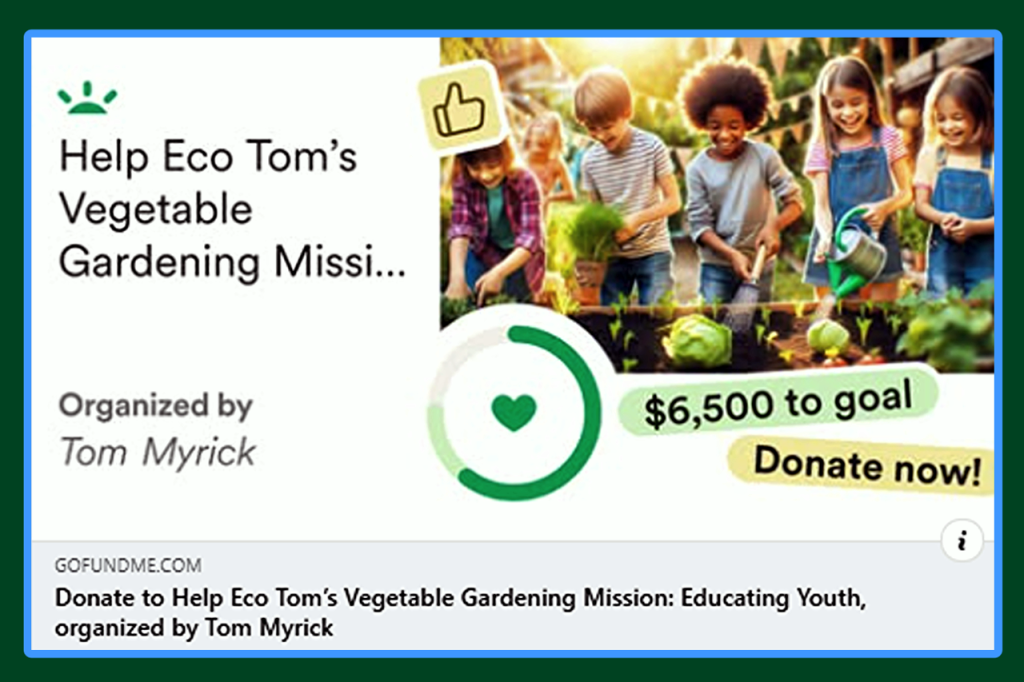
Eco Tom blends science with the heart of a gardener and encourages you to join him on his journey.
AI played a role in formulating this content, helping to refine and organize the information presented.
Eco Tom’s Sanctuary and UrbanGardening4u2Day.com represent a combined effort to promote and educate about sustainable gardening practices. The sanctuary acts as a practical demonstration site, while the website extends the reach through a variety of digital resources, blending real-world experiences with scientific knowledge.
Images: AI-Generated
Audio Deep Dive: AI-Generated based on user-provided sources and instructions
Eco Tom and Eco Tom’s Sanctuary is inspired by a real home garden and true-life experiences.
-The information provided on UrbanGardening4u2day.com is intended for general informational purposes only and is shared in good faith. We make no representations or warranties of any kind—whether express or implied—regarding the accuracy, adequacy, validity, reliability, availability, or completeness of any information on this website-
© Thomas Myrick 2025. All rights reserved


You must be logged in to post a comment.