Eco Tom’s Vertical Gardening: Upward Growth for Urban Spaces
What is Eco Tom’s Sanctuary? Eco Tom’s Sanctuary is a small, thriving ecosystem located in the suburbs, designed by Tom Myrick (Eco Tom). It combines natural beauty with innovative gardening practices, serving as a real-life example of sustainable gardening. It is also home to the ‘Veggie-Bed,’ which is a no-till raised row organic vegetable garden.
Who is Eco Tom and what is the focus of Urban Gardening 4u2day? Eco Tom is the pseudonym for Tom Myrick, the creator of Eco Tom’s Sanctuary. He blends scientific knowledge with practical gardening experience to encourage others in sustainable practices. Urban Gardening 4u2day, the website where Eco Tom’s blog post appears, focuses on promoting sustainable vegetable gardening through blog posts and audio deep dives, sharing botanical information and experiences from Eco Tom’s Sanctuary.
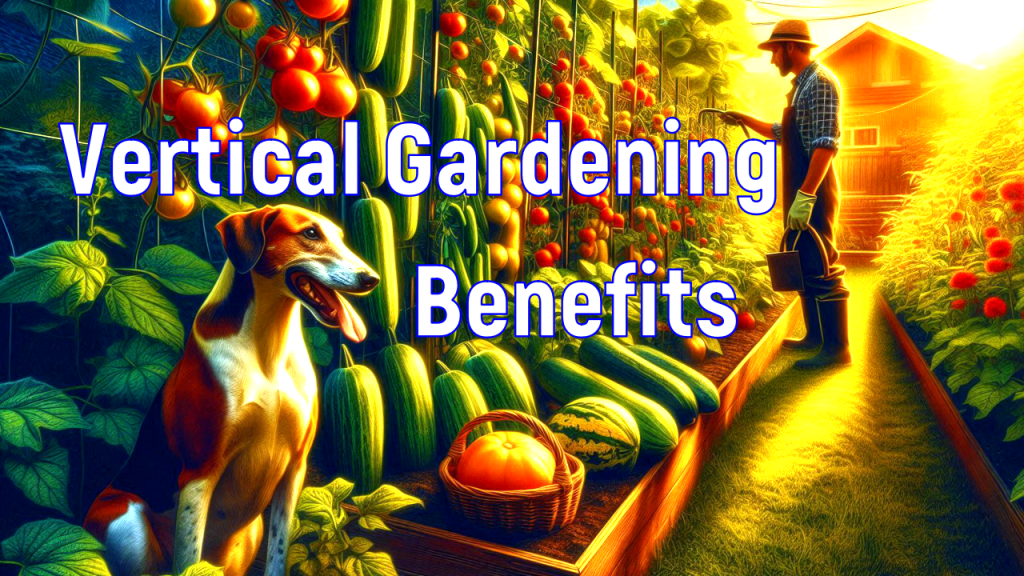
What is vertical gardening and why is it becoming popular? Vertical gardening is an innovative technique that involves growing plants upward using structures like trellises and wall planters. It is gaining popularity as an ideal method for eco-conscious gardeners because it maximizes limited space, making it feasible to create green spaces in small backyards or patios where traditional gardening isn’t possible.
How does vertical gardening maximize limited space? Vertical gardening maximizes space by encouraging plants to grow upward rather than outward. This allows for the creation of vibrant green areas in small urban settings, turning ordinary spaces into functional and visually appealing living art forms, such as vines cascading down trellises or walls brimming with herbs.
What are the health benefits for plants in a vertical garden? Elevating plants in a vertical garden significantly improves their health and productivity. Enhanced air circulation reduces humidity, which in turn decreases the risk of fungal diseases. It also deters soil-dwelling pests and lessens exposure to soil-borne diseases, leading to healthier plants.
How does vertical gardening make maintenance easier? One significant advantage of vertical gardening is the ease of access to plants, as they are often at eye level. This makes tasks such as harvesting, pruning, and watering more comfortable and less strenuous. Additionally, it simplifies inspection for pests and diseases and makes weed management more effective.
How does vertical gardening promote water efficiency and sustainability? Growing plants vertically contributes to water efficiency by reducing soil usage and runoff. This helps conserve water resources and promotes sustainable gardening practices, aligning with the eco-conscious goals of vertical gardening.
What is the overall impact of embracing vertical gardening? Embracing vertical gardening offers a sustainable way to maximize limited urban spaces while beautifying the environment. It enhances plant health, eases maintenance, and creates vibrant, functional areas. By adopting this innovative approach, individuals contribute to environmental preservation and transform their surroundings into lush, productive oases. As Eco Tom says, “Let’s grow upward and make every inch count!”
Vertical Gardening for Urban Sustainability and Health: A Study Guide
Quiz
1)What is Eco Tom’s real name and where is he based?
2)What is the primary focus of the “Urban Gardening 4u2day” website?
3)Describe “Eco Tom’s Sanctuary.” What kind of ecosystem is it?
4)What is the “Veggie-Bed” and what are its key characteristics?
5)How does vertical gardening address the issue of limited space in urban environments?
6)List two ways vertical gardening enhances plant health and productivity.
7)Beyond plant health, what are two practical benefits of elevated plants for the gardener?
8)How does vertical gardening contribute to water efficiency?
9)According to the text, what dual purpose does a tiny backyard serve when transformed into a vertical garden?
10)What is Eco Tom’s concluding motto regarding vertical gardening?
Quiz Answer Key
1)Eco Tom’s real name is Tom Myrick, and he is based in the suburbs, where his home garden, Eco Tom’s Sanctuary, is located.
2)The primary focus of “Urban Gardening 4u2day” is promoting sustainable gardening practices and encouraging vegetable gardening. It offers a blog and audio deep dives with botanical information and experiences from Eco Tom’s Sanctuary.
3)”Eco Tom’s Sanctuary” is described as a small and quaint thriving ecosystem nestled in the suburbs. It combines the beauty of nature with innovative gardening practices.
4)The “Veggie-Bed” is a no-till raised row organic vegetable garden located within Eco Tom’s Sanctuary. Its key characteristics are being no-till, raised row, and organic.
5)Vertical gardening maximizes limited space by encouraging plants to grow upward, making it ideal for small backyards or patios where traditional gardening isn’t feasible. It uses structures like trellises and wall planters to create vibrant green spaces.
6)Vertical gardening enhances plant health and productivity by improving air circulation, which reduces humidity and decreases the risk of fungal diseases. It also deters soil-dwelling pests and lessens exposure to soil-borne diseases.
7)For the gardener, elevated plants are easier to inspect and maintain, simplifying tasks like harvesting and reducing damage to fruits. Additionally, they make weed management more effective due to easier access.
8)Vertical gardening contributes to water efficiency by reducing soil usage and runoff. Growing plants vertically helps conserve resources and promotes sustainable practices in water management.
9)A tiny backyard transformed into a vertical garden serves a dual purpose: it maximizes limited space for growing plants and also becomes a captivating living art form, enhancing the aesthetic appeal of the urban environment.
10)Eco Tom’s concluding motto regarding vertical gardening is, “Let’s grow upward and make every inch count!” This emphasizes maximizing space and efficiency in gardening.
Essay Format Questions
Discuss how vertical gardening, as presented by Eco Tom, embodies the principles of urban sustainability. Include specific examples from the text that highlight its environmental benefits.
Analyze the dual appeal of vertical gardening as both a practical solution for urban spaces and an aesthetic enhancement. How does Eco Tom use imagery and description to convey these aspects?
Compare and contrast the benefits of vertical gardening for plant health and for gardener comfort. How do these two categories of benefits contribute to the overall success and popularity of the method?
Evaluate the reliability and expertise of Eco Tom as a source of information on vertical gardening, based on the provided foreword and blog post. What elements contribute to his credibility?
Imagine you are an urban resident considering starting a garden. Based on Eco Tom’s explanation, what are the most compelling arguments for choosing vertical gardening over traditional methods, and what might be some potential considerations or challenges not explicitly mentioned?
Glossary of Key Terms
Eco Tom: A pseudonym for Tom Myrick, creator of Eco Tom’s Sanctuary and author of the blog post. Blends science with gardening passion.
Eco Tom’s Sanctuary: A small, quaint, thriving ecosystem located in the suburbs, combining nature and innovative gardening practices; home to the Veggie-Bed.
Urban Gardening 4u2day: The website where Eco Tom’s blog post is published, focused on sustainable gardening practices and promoting vegetable gardening.
Veggie-Bed: A no-till raised row organic vegetable garden located within Eco Tom’s Sanctuary.
Vertical Gardening: An innovative gardening technique that maximizes limited space by encouraging plants to grow upward using structures like trellises and wall planters.
No-till: A gardening practice that avoids disturbing the soil, aiming to maintain soil structure, beneficial microorganisms, and organic matter.
Raised Row: A gardening method where plants are grown in elevated beds or rows, often to improve drainage, soil quality, and accessibility.
Organic (Gardening): A method of growing plants that relies on natural processes and materials, avoiding synthetic fertilizers, pesticides, and genetically modified organisms.
Sustainable Practices: Methods that meet the needs of the present without compromising the ability of future generations to meet their own needs, often involving resource conservation and environmental protection.
Air Circulation: The movement of air around plants, important for reducing humidity, preventing fungal diseases, and promoting overall plant health.
Soil-borne Pests/Diseases: Pests or diseases that originate from or live in the soil and can harm plants.
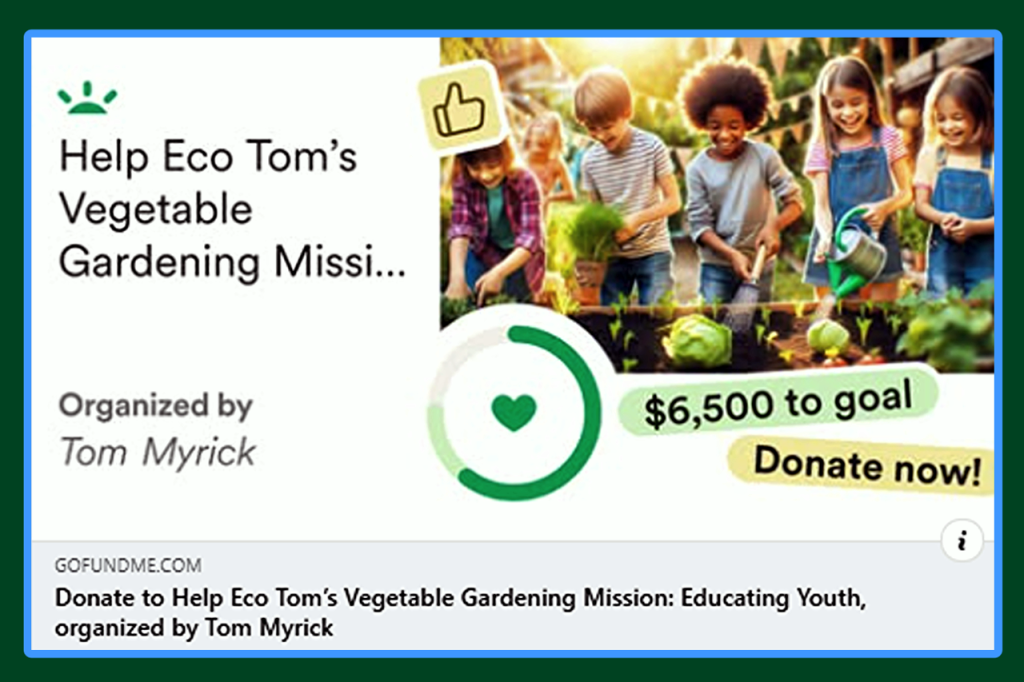
Eco Tom blends science with the heart of a gardener and encourages you to join him on his journey.
AI played a role in formulating this content, helping to refine and organize the information presented.
Eco Tom’s Sanctuary and UrbanGardening4u2Day.com represent a combined effort to promote and educate about sustainable gardening practices. The sanctuary acts as a practical demonstration site, while the website extends the reach through a variety of digital resources, blending real-world experiences with scientific knowledge.
Images: AI-Generated
Audio Deep Dive: AI-Generated based on user-provided sources and instructions
Eco Tom and Eco Tom’s Sanctuary is inspired by a real home garden and true-life experiences.
-The information provided on UrbanGardening4u2day.com is intended for general informational purposes only and is shared in good faith. We make no representations or warranties of any kind—whether express or implied—regarding the accuracy, adequacy, validity, reliability, availability, or completeness of any information on this website-
© Thomas Myrick 2025. All rights reserved

You must be logged in to post a comment.